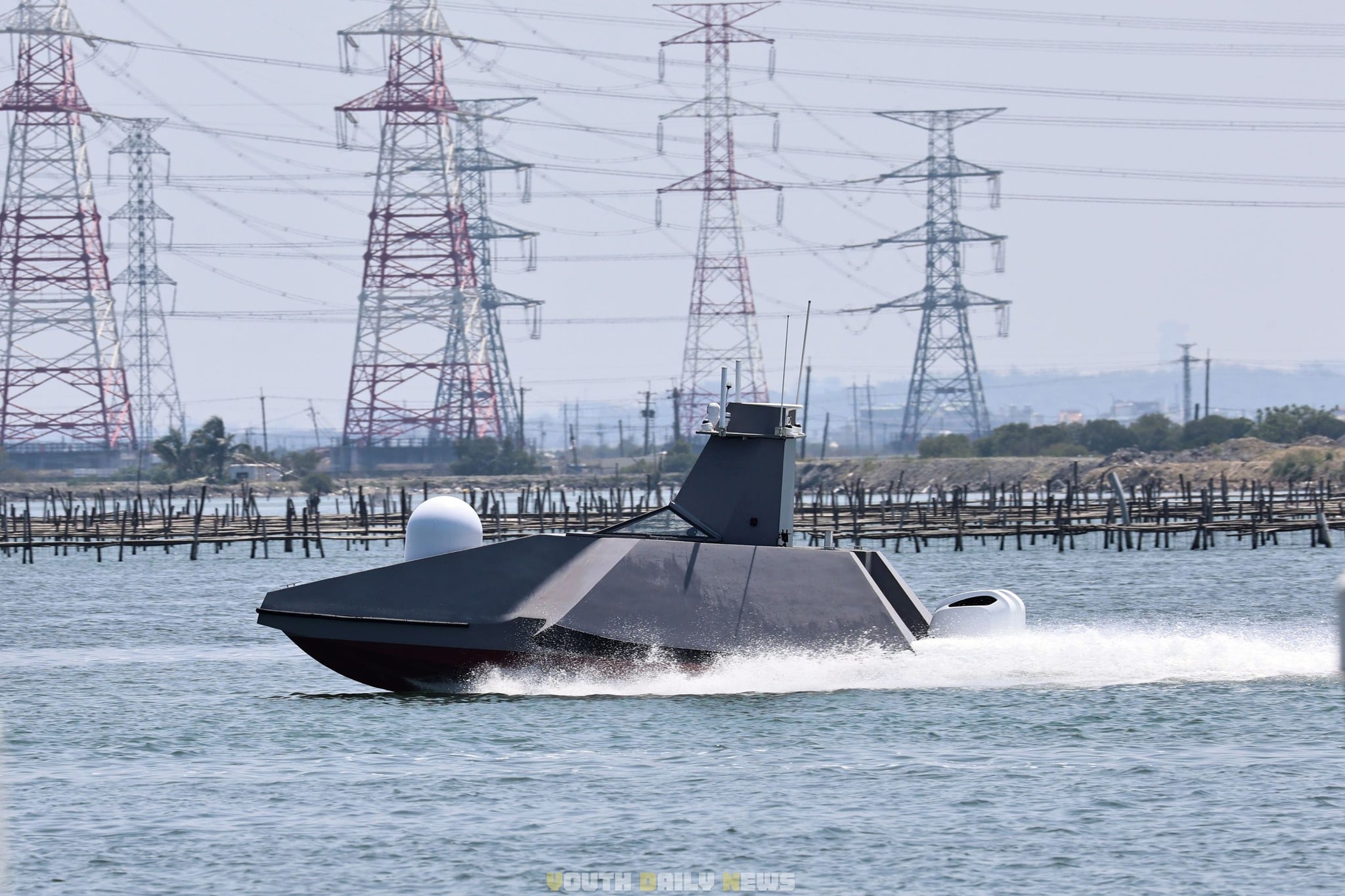
The Republic of China Navy has initiated a significant development effort by releasing a request for information related to a new high-speed, long-range suicide unmanned surface vessel (USV). This advanced platform is aimed at enhancing the Navy’s asymmetric warfare capabilities in challenging maritime conditions.
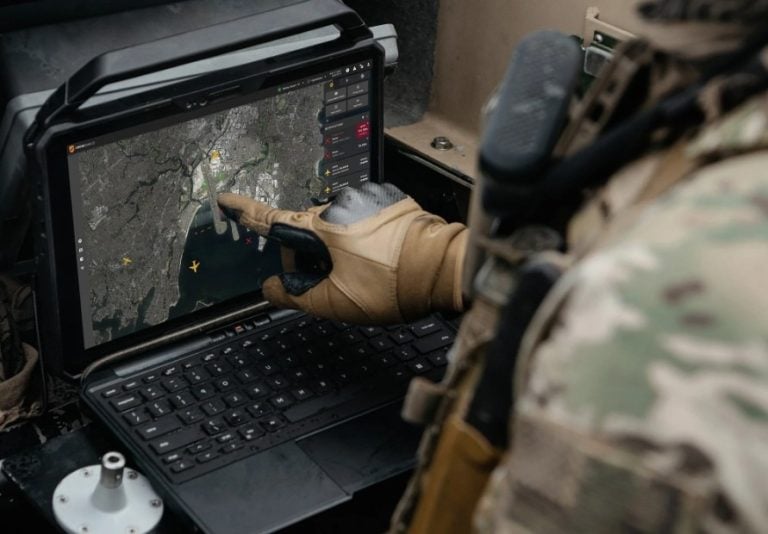
The USV is designed for deployment in hostile environments and is expected to integrate various supporting components, including a portable control station, a mobile command vehicle, and a relay station. The announcement stresses that this request is a public solicitation, not a formal tender, indicating an open call for information and potential collaboration in developing this advanced technology.
Key specifications for the drone boat include a speed requirement of 35 knots, equating to approximately 66 kilometers or 40 miles per hour, and a maximum operational range of 250 nautical miles (463 kilometers or 288 miles). Its physical constraints also specify that the hull assembly must not exceed 2 tons and should measure 6 meters or less in length.
The vessel is required to have a minimum payload capacity of 250 kilograms (551 pounds) and must be capable of operating efficiently in maritime conditions that correspond to at least a Beaufort scale of 4. This includes wind speeds up to 16 knots and wave heights reaching about 1 meter.
Integration of specific features is crucial for the tactical operations of the USV. The vessel must possess advanced capabilities such as autonomous obstacle avoidance and smooth acceleration. Additionally, it requires GPS and inertial navigation systems, a ruggedized exterior for durability under harsh conditions, and features to mitigate satellite navigation disruption and resist radio jamming.
The platform is expected to include electro-optical and infrared solutions that enable real-time video streaming beyond a range of 24 nautical miles (44 kilometers). Furthermore, the control station for the USV must support diverse communication platforms including satellite links and 4G/5G networks, with robust encryption for radio frequency communications and backup channels for reliability during operations.
Data connectivity is another critical aspect, allowing the movable dashboard to share vital information with command vehicles and facilitate seamless control transfer among operators.
Moreover, the mobile command vehicle associated with the USV will need to incorporate essential equipment, including satellite technology, jamming-resistant radios, onboard power systems, and provisions for interior lighting and temperature control. To ensure autonomous operations, it must also be equipped with an independent generator capable of sustaining activities for up to 12 hours.
The development of this unmanned vessel indicates a strategic shift in naval warfare tactics, reflecting an ongoing trend towards integrating advanced drone technology into military operations. The Republic of China Navy’s initiative is poised to bolster its capabilities in safeguarding maritime interests amidst evolving security challenges.