Tensions between Thailand and Cambodia escalated on Tuesday as Thailand accused Cambodia of breaching a recently established truce. This conflict arose after an incident in which a Thai soldier was reportedly wounded by cross-border mortar fire. In response, Cambodia asserted that the explosion was caused by a “pile of garbage,” leading to injuries for two of its soldiers.
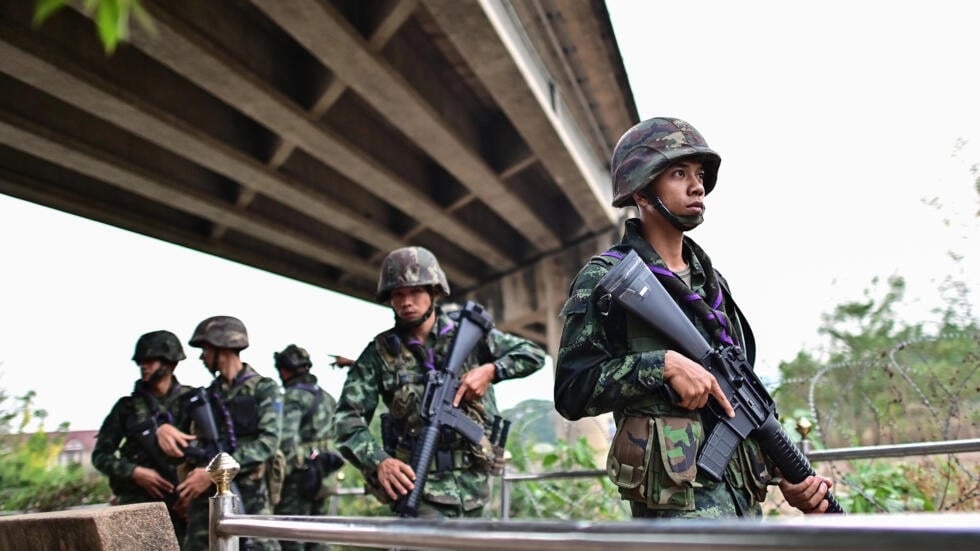
The Thai military reported a warning issued to Cambodian forces, urging them to exercise caution and indicating that any subsequent incidents might provoke a retaliation. Relations between the two countries have been strained for years, largely due to a longstanding border dispute. Last December, a series of clashes resulted in numerous casualties and the displacement of around one million people.
According to the Thai army, mortar rounds were fired into Ubon Ratchathani province, resulting in one soldier sustaining non-life-threatening shrapnel wounds to his arm. The military stated that Cambodian officials had contacted them, claiming that the incident was accidental and attributed to an operational error by their personnel.
On the other hand, Cambodia’s defense ministry spokeswoman, Maly Socheata, confirmed the injuries to two soldiers following an explosion during military duties related to “organization and orderliness” in Preah Vihear province. She did not corroborate Thailand’s claims regarding mortar fire but noted coordination between the border teams of both nations to address the matter.
The area known as the Emerald Triangle, where the borders of Thailand, Cambodia, and Laos converge, has been a hotspot for conflicts in the past. Notably, an incident in May of the previous year resulted in the death of a Cambodian soldier, reigniting tensions between the neighbors.
Prime Minister Anutin Charnvirakul of Thailand stated that a diplomatic protest had been lodged with Cambodia, emphasizing the violation of the ceasefire. He conveyed that while military sources deemed the incident an accident, the government was keen on clarifying accountability.
Despite the military imbalance—Thailand being significantly more powerful—Anutin reiterated that Thailand possessed the capability to respond effectively if necessary. The historical roots of the conflict stem from colonial-era border demarcations involving territory claims and ancient temple ruins.
Following the truce agreement, both countries had committed to halting hostilities and freezing troop movements as part of efforts to cooperate on demining along their contested border. Notably, a prior ceasefire brokered by international parties including the US, China, and Malaysia had failed to endure.
Just a week into the current December truce, Cambodia issued a call for Thailand to withdraw its forces from several territories it claims, which Thailand firmly rejected, insisting that its military presence was in territory rightfully belonging to Thailand.
To facilitate discussions, Cambodia’s defense ministry proposed the establishment of a bilateral border committee meeting in Siem Reap this month. However, Thailand has indicated that discussions on border surveying and demarcation might be deferred until after its upcoming elections scheduled for February 8.