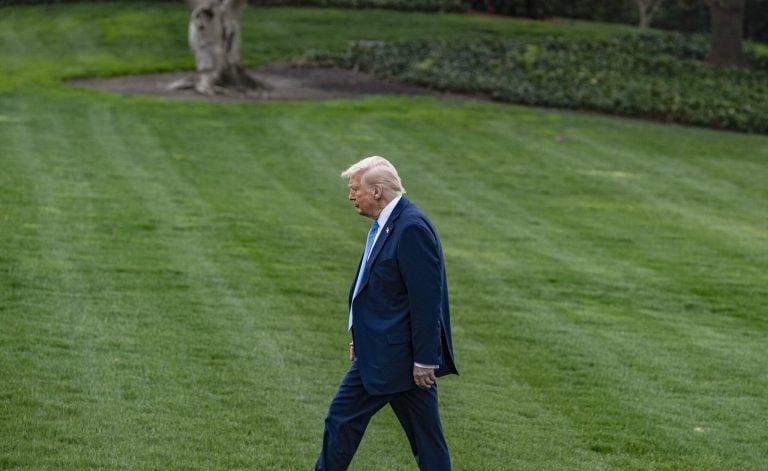
In recent remarks, President Donald Trump indicated that Cuba is next on his administration’s agenda following the focus on Iran. During a phone interview with CNN, he confidently predicted that the communist-run island, currently hindered by a U.S. energy blockade, is poised to experience significant upheaval. “They want to make a deal so badly,” Trump stated, emphasizing his administration’s determination to address the situation in Cuba after dealing with Iranian issues.
Trump noted that Secretary of State Marco Rubio, who has roots in Cuba through his immigrant parents, would spearhead efforts regarding Cuba. “He’s doing some job, and your next one is going to be, we want to do that special Cuba,” Trump asserted. Both Trump and Rubio have been vocal about their ambitions for regime change in Havana, paralleling their previous actions against Venezuelan leader Nicolas Maduro.
In a related development, the U.S. State Department’s coordinator for Cuban affairs, Rob Allison, recently engaged with senior representatives of the Catholic Church in Havana, according to a statement from the U.S. Embassy. The meeting involved discussions on humanitarian aid provided to Cuba and the need for significant changes to ameliorate conditions on the island.
Since January 9, Cuba has been cut off from receiving oil shipments, significantly impacting its economy. The current energy blockade has forced airlines to reduce or suspend flights to the island, exacerbating an already fraught economic scenario. The Cuban government has accused the Trump administration of intentionally aiming to cripple the nation’s economy. The island has endured a stringent U.S. trade embargo since 1962, contributing to a severe crisis characterized by ongoing power outages and shortages of essential goods, including fuel and medicine.
In a slight easing of the blockade, Washington has recently permitted private companies in Cuba to import limited quantities of oil. Despite this, the situation remains dire, as evidenced by a major blackout that affected two-thirds of the island on Wednesday following an incident at the Antonio Guiteras power plant—the largest power facility in Cuba.
The Catholic Church has historically played a mediating role between the U.S. and Cuba. Notably, Pope Francis facilitated the re-establishment of diplomatic relations between the two countries under President Barack Obama in 2015. Additionally, the Vatican was instrumental in a deal with former President Joe Biden that resulted in the release of hundreds of political prisoners in exchange for Cuba’s removal from a U.S. list of state sponsors of terrorism.
However, on his first day back in office in January 2025, Trump reinstated Cuba on that list, signaling a shift in U.S. policy towards the island as it deals with ongoing economic and humanitarian challenges.