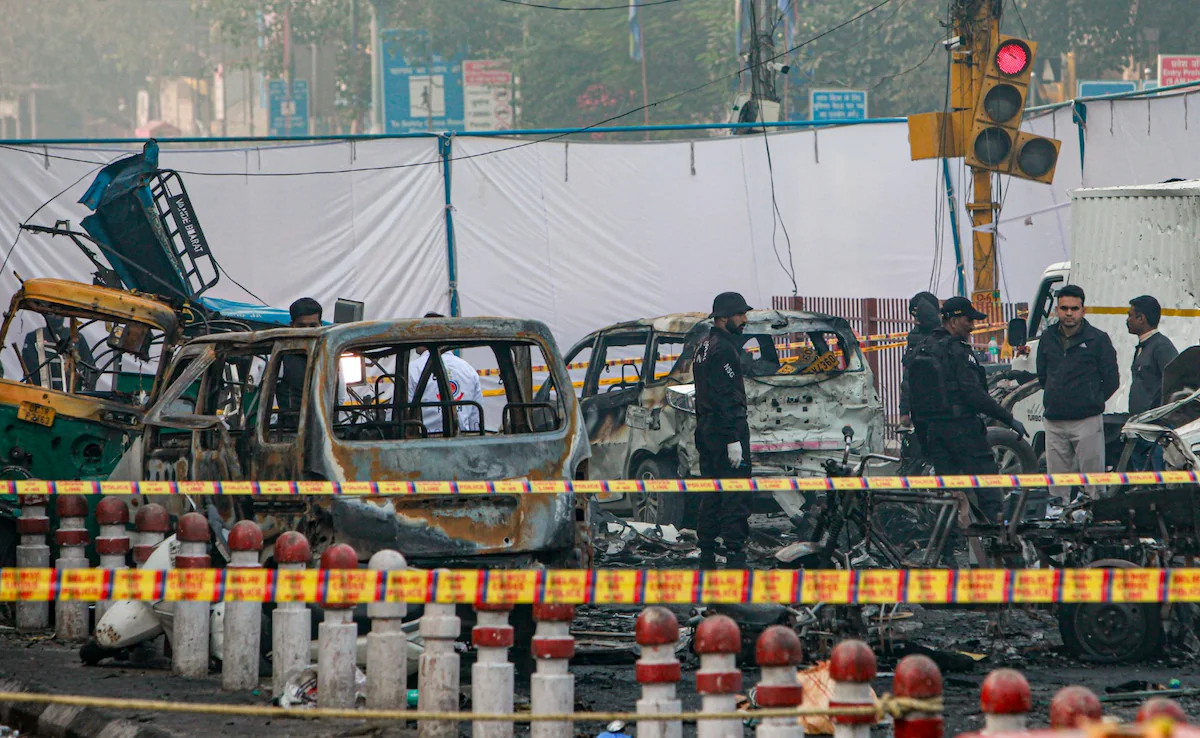
A recent United Nations counter-terrorism report has established a connection between the Pakistan-based group Jaish-e-Mohammed (JeM) and a lethal attack that occurred near Delhi’s historic Red Fort. This incident, which took place on November 9, resulted in the deaths of 15 individuals and highlighted the ongoing threat posed by this notorious organization, known for its history of targeting high-profile sites in India.
According to the Analytical Support and Sanctions Monitoring Team’s assessment, the report cites that JeM claimed responsibility for a series of attacks, reinforcing concerns regarding its operational capabilities. The Red Fort, a UNESCO World Heritage Site and a strong symbol of Indian sovereignty, has often been deemed a prime target for terrorist activities, making this latest revelation particularly worrisome.
In a significant development, the UN report draws attention to the establishment of a women-only wing within JeM, named Jamaat ul-Muminat. Announced by the group’s chief, Masood Azhar, on October 8, this new unit is designed to support terrorist operations. The formation of this wing signals a strategic shift in JeM’s recruitment and operational tactics. Analysts note that this move mirrors trends observed in other extremist organizations where women are increasingly utilized in auxiliary roles, including logistics, fundraising, and recruitment. This adaptation could help groups evade security scrutiny while expanding their operational reach.
Despite being labeled as an Al-Qaida-associated entity by the United Nations, JeM continues its legacy of terror, particularly in regions such as Jammu and Kashmir. Established in 2000, the militant group has been implicated in numerous attacks against both security forces and civilian populations. Masood Azhar remains subject to UN sanctions, which include travel bans and asset freezes.
The Monitoring Team’s report reveals a divergence in perspectives among UN member states regarding JeM’s current operational effectiveness. While certain nations maintain that the group is active and poses a significant threat, others assert that it has become defunct. This discrepancy emphasizes ongoing challenges in international intelligence sharing and enforcement capabilities regarding terrorist organizations.
The findings situate JeM’s activities within a more extensive and shifting landscape of terrorism across Central and South Asia. Militant groups in the region continue to exploit instability and engage in cross-border networks, adapting their strategies despite sustained counter-terrorism pressures. The UN cautions that even groups perceived as weakened or fragmented can reorganize and execute significant attacks, thus posing persistent risks to regional and international security.
Moreover, the report notes that security operations in Jammu and Kashmir have resulted in the deaths of three individuals connected to a separate attack in Pahalgam in July, underlining the ongoing efforts against militant networks in the area.
Overall, the UN’s findings reflect a grim reality: the threat from organizations like JeM remains robust, necessitating continuous vigilance and proactive measures to counter their evolving tactics and ensure safety in vulnerable regions.