




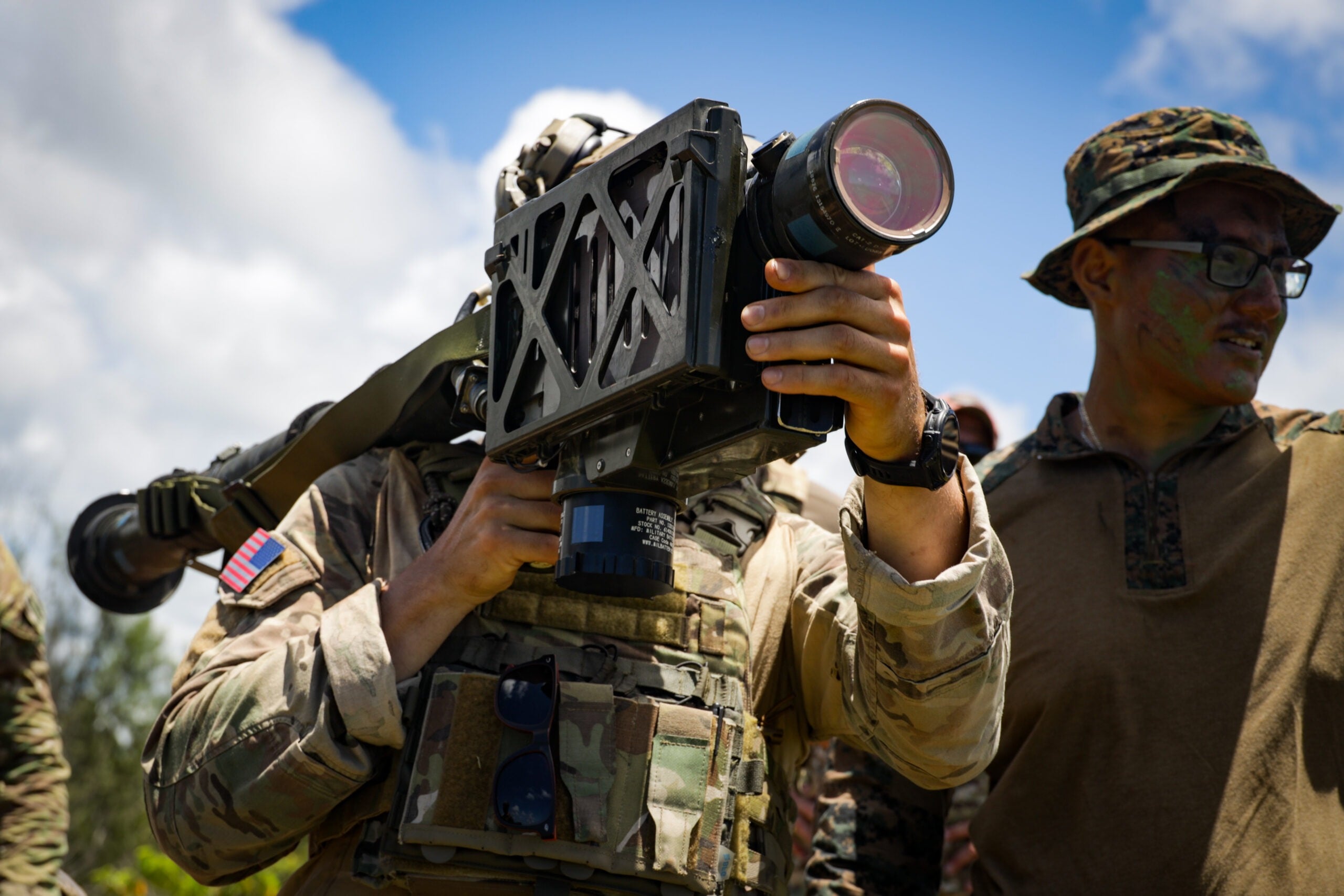
The US Department of State has announced the approval of a potential sale of FIM-92K Stinger portable anti-aircraft missiles to Brazil, valued at approximately $330 million. This sale includes Brazil’s request for 100 Stinger Block I missiles, along with various elements of non-major defense equipment such as gripstocks and technical support services.
The transaction is positioned as a significant enhancement of Brazil’s air defense capabilities, aligning with the nation’s ongoing defense modernization efforts. The Department of State stated the proposed sale aims to bolster Brazil’s ability to secure its airspace from illicit trafficking operations, emphasizing the strategic importance of strengthening defense within South America.
The principal contractors for this sale will be RTX Corporation and Lockheed Martin. At this stage, no offset agreements have been established.
The Stinger missiles are set to replace the Russian-made Igla-S man-portable air-defense systems that have been in service with the Brazilian Army since 2014. In light of the ongoing geopolitical tensions following Russia’s invasion of Ukraine, Brazil has encountered difficulty in obtaining supplies for the Igla-S, prompting the search for a more reliable alternative.
The shoulder-mounted Stinger system will enhance Brazil’s existing air defense arsenal, which currently includes the Swedish-made RBS 70 NG short-range air-defense system. While the RBS 70 NG provides extended range and altitude defense, it relies on a tripod-mounted launcher, distinguishing it from the more portable Stinger system.
The FIM-92K Stinger itself represents the latest iteration of the Stinger missile family, designed to target low-flying aircraft, helicopters, cruise missiles, and unmanned aerial vehicles within a range of up to 8 kilometers (5 miles). Developed under the Stinger Block I modernization program, the FIM-92K features upgraded electronics, a datalink capability, and improved flight-control software.
These enhancements allow the missile to utilize target cueing information from external sensors when integrated with ground or vehicle-mounted air-defense systems, significantly boosting its effectiveness against small and low-signature targets, including drones and cruise missiles. The missile operates with a passive infrared/ultraviolet homing seeker, which tracks the heat and ultraviolet signatures emitted by a target, enhancing discrimination against countermeasures like flares while maintaining its fire-and-forget capability.


