The US Army is pioneering an innovative approach to bolster domestic production of critical minerals vital for military ammunition and weapon systems. In collaboration with the Idaho National Laboratory (INL) and Perpetua Resources, the Army is progressing on the establishment of a small, mobile refinery fleet in Donnelly, Idaho. This initiative centers around the Stibnite Gold Project, which is notable for housing the only identified antimony reserve in the United States.
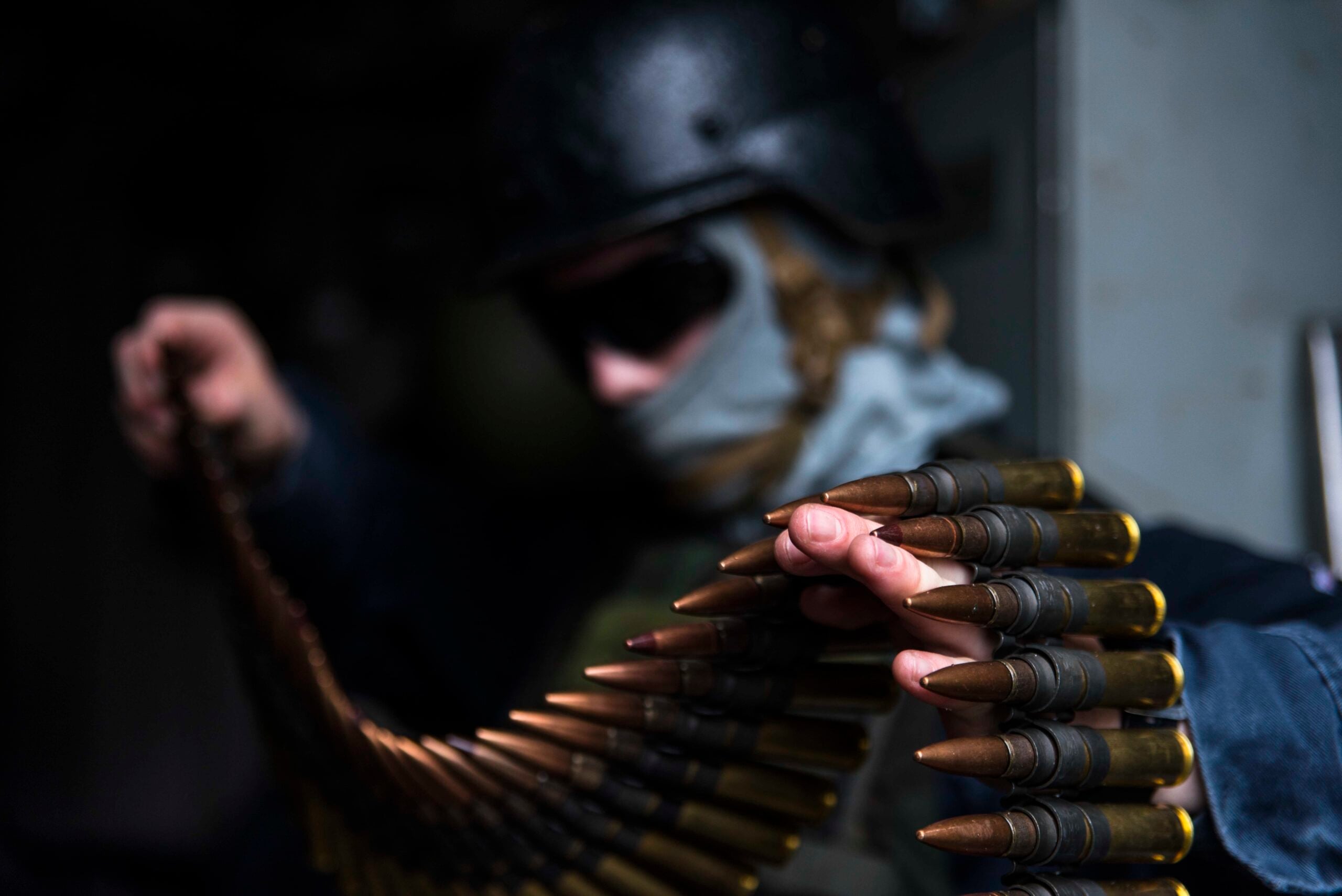
Antimony, a bluish-silvery metalloid, is essential in the manufacturing of durable alloys and is a critical component in the production of armor-piercing shells. Notably, it enhances the penetration and velocity of these munitions. However, domestic production of antimony has not occurred since the 1960s, creating a significant dependency on foreign sources.
The Army is prioritizing the extraction and refinement of antimony trisulfide, a compound essential for making primers, which are indispensable for ammunition production. The Army’s development plan includes constructing a pilot plant, designed by the Canadian firm Westpro Machinery, which will be compact enough to fit into four shipping containers. This facility is projected to produce between 7 to 9 metric tons (approximately 15,432 to 19,842 pounds) of military-grade antimony trisulfide annually.
Mark Mezger, a senior technology advisor at the US Army Armaments Center, emphasized the critical role of antimony trisulfide in ammunition manufacturing, stating, “Without antimony trisulfide, you can’t make primers. And without primers, you can’t make bullets.”
For this venture, the Army has allocated a substantial budget of $30 million dedicated to the development of the refinery concept. The initiative includes a comprehensive testing phase slated for six months, with the possibility of launching full-scale operations contingent on the success of these trials. During this phase, scientists at INL will undertake rigorous evaluations of the processing methods to ensure they meet military standards while promoting cleaner and more efficient production practices.
Should the initial deployment of these mobile refinery systems prove effective, they are anticipated to enhance mineral output during times of conflict, utilizing ore extracted from Stibnite or other domestic projects. The endeavor aligns with the Department of Defense’s overarching strategy to establish a self-sufficient “ground-to-round” supply chain that minimizes reliance on international suppliers, particularly from China.
Perpetua Resources has already secured up to $22.4 million in federal funding to support antimony processing efforts and envisions the Stibnite project fulfilling up to 35 percent of US demand for antimony in its initial years. Furthermore, officials have indicated the potential expansion of similar portable refineries to process other critical minerals, such as tungsten, rare earth elements, and boron, which are also deemed essential for national security.