In a significant move, the United States has classified the Muslim Brotherhood in Egypt, Lebanon, and Jordan as terrorist organizations, responding to longstanding demands from both Arab allies and conservative factions within the U.S. This designation has been characterized as the beginning of a sustained campaign to counter the influence and violent activities of the Brotherhood’s chapters in these regions.
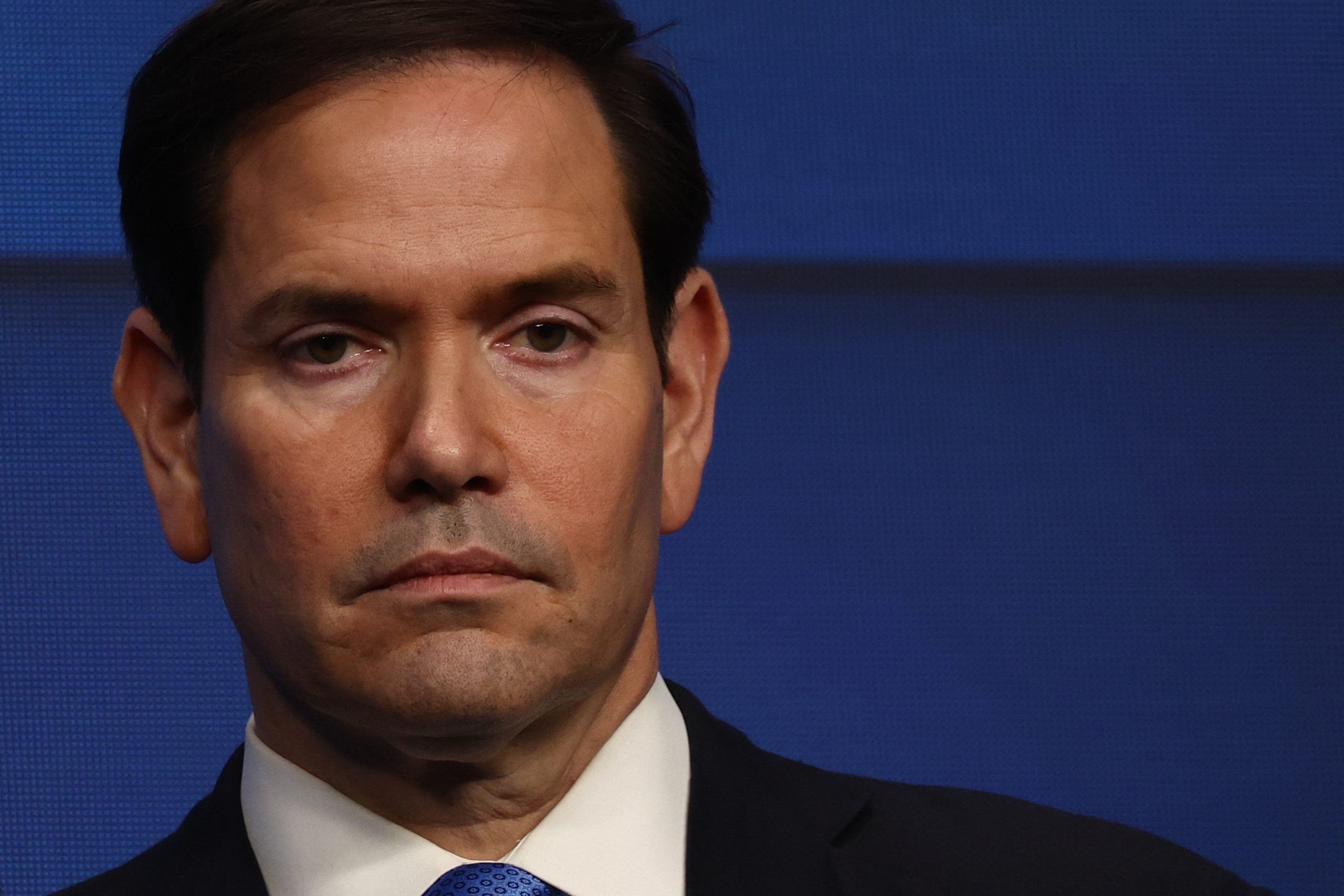
Secretary of State Marco Rubio emphasized the U.S. commitment to using all available resources to hinder the Brotherhood’s capacity to engage in or support terrorism. In a statement, he described the designations as critical steps in addressing the destabilizing activities that the group has been linked to across the Middle East.
This action follows directives set in motion by President Donald Trump, who initiated the process to confront the Muslim Brotherhood approximately a year prior. The administration targeted specific chapters of the organization, particularly the Egyptian and Jordanian branches, citing their connections to Hamas, which has been designated as a terrorist organization by the U.S. government for many years.
The Muslim Brotherhood, founded in Egypt in 1928, gained attention when it democratically rose to power with the election of Mohamed Morsi. However, in 2013, Morsi was ousted in a military coup led by Abdel Fattah al-Sisi, the then military chief. Following the coup, Sisi’s government has implemented a series of aggressive measures to dismantle the Brotherhood, viewing it as a threat to national stability.
Support from key U.S. allies in the region, including Saudi Arabia and the United Arab Emirates, has bolstered efforts to suppress the Muslim Brotherhood. These countries have long perceived the organization as a rival influence that could undermine their own governance and stability.
The U.S. designations and the accompanying statements underscore a broader strategy aimed at countering extremist groups while reinforcing alliances with regional partners who share similar concerns regarding the Brotherhood’s influence. As this campaign unfolds, its implications for U.S. foreign policy in the Middle East and the dynamics of power within the region continue to be closely scrutinized by observers and analysts alike.