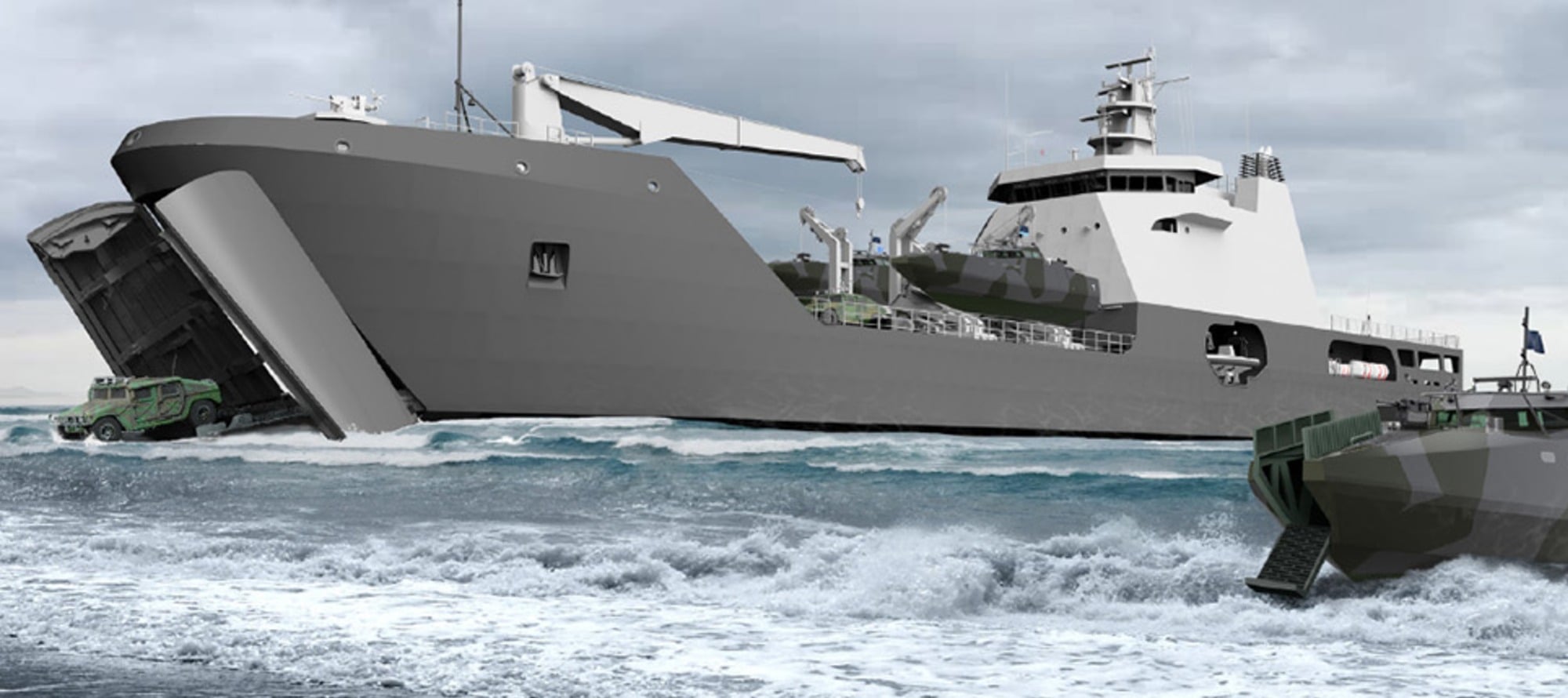
The US Navy has initiated a significant request for proposals seeking a Vessel Construction Manager (VCM) to oversee the construction of the Marine Corps’ new Medium Landing Ship. This marks a strategic move, with the Navy anticipating a contract award by mid-2026.
Under this initiative, the selected partner will be responsible for holding the prime contract and managing subcontracts with shipbuilders. This new model is a departure from traditional oversight, shifting towards a commercial structure designed to enhance delivery timelines and improve cost management.
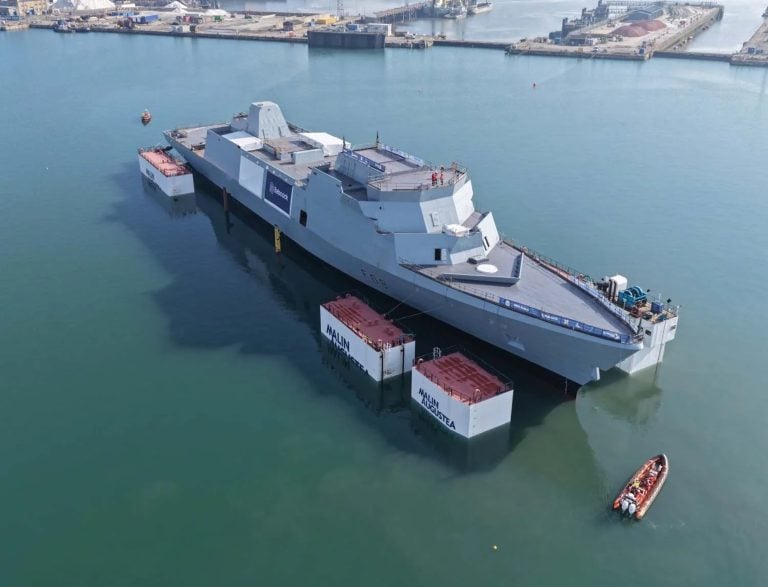
Bollinger Shipyards, based in Louisiana, has already secured a contract for long-lead materials, while Fincantieri Marinette Marine in Wisconsin will be responsible for assembling the first four ships. The Vessel Construction Manager will also have the authority to determine how three additional ships will be awarded under the base contract.
Rear Adm. Brian Metcalf, the program executive officer for ships at the US Navy, emphasized the advantages of this approach, stating that placing the VCM in direct control of shipyard operations aims to mitigate schedule risks while requiring fewer personnel compared to conventional programs. He noted that this strategy not only expedites construction timelines but also bolsters the industrial base by engaging multiple shipyards.
The US Navy has designated the LST-100 design, provided by the Dutch defense contractor Damen Group, as the baseline for the Medium Landing Ship. This design is tailored for a variety of roles including amphibious transport, logistics, and near-shore deployments. The military plans to deploy up to 35 of these vessels, which are expected to be 100 meters long (328 feet) and 16 meters wide (52 feet). Each ship will have a payload capacity of up to 500,000 kilograms (approximately 1.1 million pounds) or can transport over 200 soldiers.
In terms of performance, these vessels are expected to cruise at speeds of 15 knots (approximately 28 kilometers or 17 miles per hour) and possess an operational range of 3,400 nautical miles (about 6,297 kilometers or 3,913 miles). Such capabilities are essential for maintaining operational flexibility between smaller landing crafts and larger amphibious warships, reinforcing the Navy’s commitment to ensuring a sustained maritime advantage.