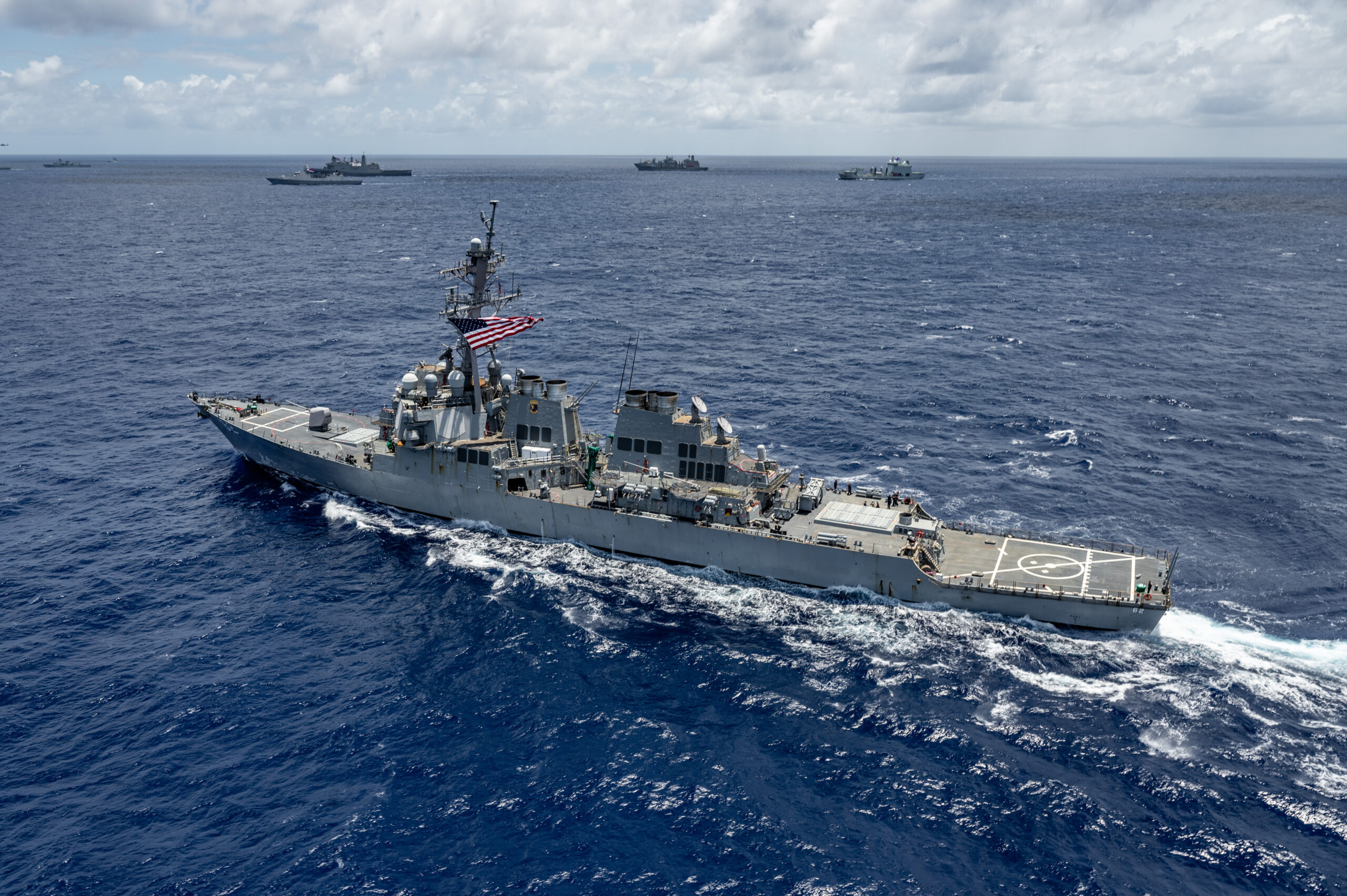
The US Navy has embarked on a transformative initiative to enhance medical care for sailors by testing a new digital health system aboard the frontline destroyer USS Carney. This significant step aims to address longstanding challenges in providing adequate medical support to personnel stationed far from shore.
The pilot program, called the Operational Medicine Care Delivery Platform (OpMed CDP), has recently been completed by Navy Medicine. It represents a shift from traditional, often fragmented paper-based systems to a comprehensive digital platform that modernizes the management of patient records at sea. This innovative system is designed to integrate smoothly with MHS GENESIS, the Military Health System’s electronic health record, thereby streamlining patient care processes.
During the pilot phase, sailors received practical training on essential clinical tasks such as pharmacy services, laboratory work, and routine checkups. A key focus was placed on ensuring that patient data could transition seamlessly across various care settings, enhancing both clinical decision-making and continuity of care in operational environments. US Navy health leaders noted that the phased implementation of the system aims to align with operational schedules while continuously incorporating user feedback.
Following the initial pilot, the Commander of Naval Surface Force Atlantic has approved an extended evaluation period for the OpMed CDP. This extended pilot will assess the system’s durability and effectiveness under real-world conditions, further solidifying its potential for improving medical operations aboard naval vessels.
Once fully rolled out, USS Carney will become the first Navy ship to operate with OpMed CDP for everyday medical services, marking a significant advancement in the delivery and management of medical care at sea.
The Navy’s initiative reflects a broader trend across the US military to modernize healthcare delivery through digital systems. For instance, the Army has implemented the Medical Communications for Combat Casualty Care (MC4) system, which provides deployed medics with access to crucial patient records and medical logistics, facilitating documentation during battlefield situations and tracking medical readiness effectively.
In parallel, the US Air Force has leveraged telehealth and remote monitoring technologies, allowing specialists in the continental United States to offer real-time consultations for personnel stationed at remote bases and overseas locations. This approach not only minimizes the need for medical evacuations but also enhances the continuity of care for deployed service members.
As the military continues to embrace advanced medical technologies, these efforts represent a commitment to improving health outcomes and ensuring that personnel receive timely and efficient healthcare, regardless of their location.