The US Navy has implemented a significant overhaul of its fitness evaluation system specifically for sailors engaged in combat arms roles, including Navy SEALs, Special Warfare Combat Crewmen, explosive ordnance disposal technicians, and fleet divers. This shift aims to refine the metrics used to assess physical readiness among these specialized personnel.
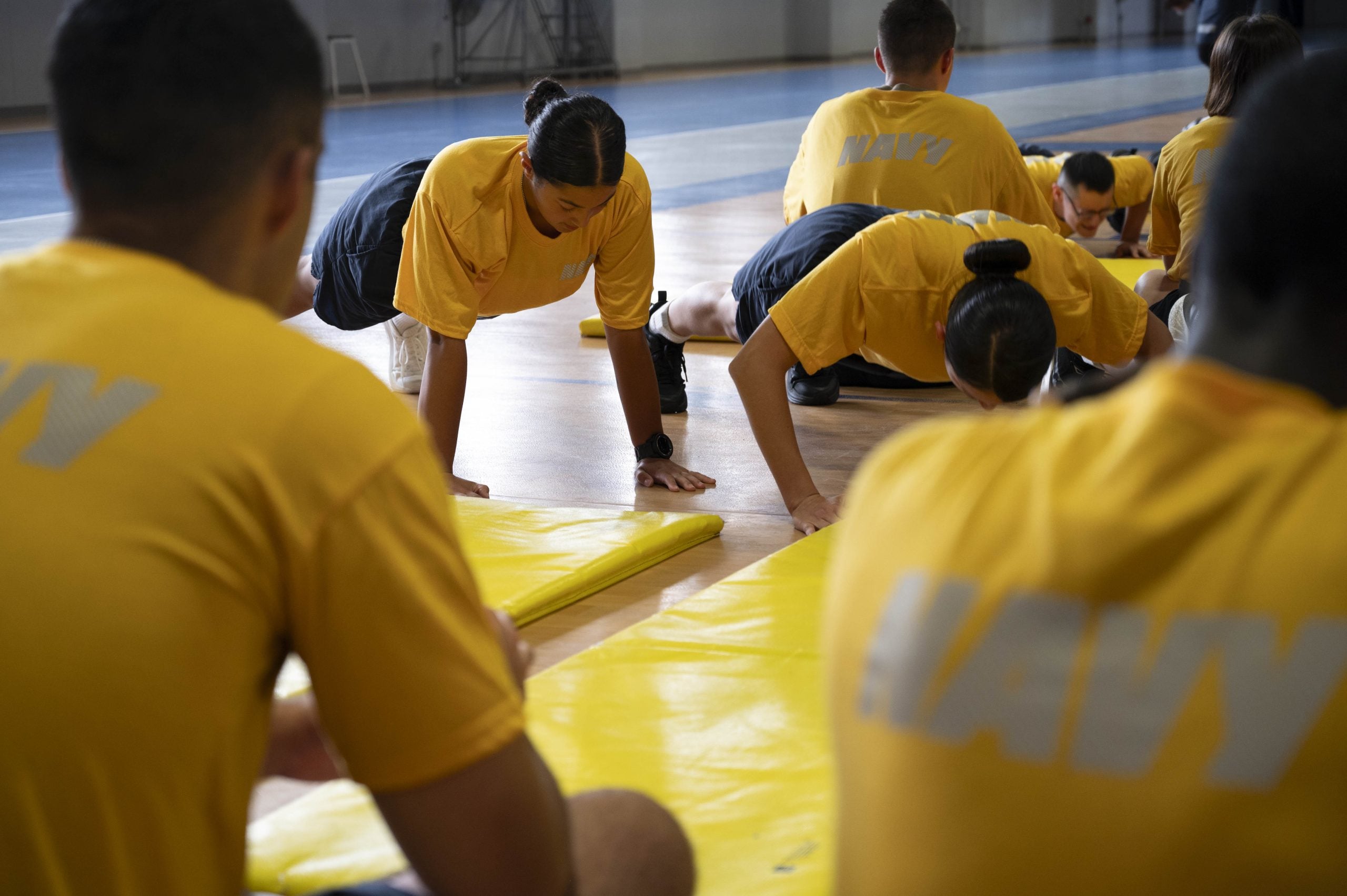
Under the new standards, sailors in combat arms positions are now required to complete a two-part exercise every year. This includes both the Navy Physical Fitness Assessment (PFA) and the Combat Fitness Assessment (CFA). The PFA, which remains a staple within the Navy’s fitness evaluations, comprises a Body Composition Assessment and the Navy Physical Readiness Test. In contrast, the CFA introduces a new dimension to the fitness evaluation, featuring a distinct set of physical exercises tailored for combat readiness.
For reservists on active-duty orders lasting 12 months, compliance with both the PFA and CFA screenings is mandatory each year. Other reservists are required to complete either the PFA or FA annually.
The recently introduced Combat Fitness Test, developed in late 2025, outlines a rigorous regimen designed to be completed in a single session. The test starts with a timed 800-meter swim, followed by a series of weighted exercises, including push-ups and pull-ups, culminating in a 1-mile (2-kilometer) run. Participants must perform these activities while wearing a weighted vest or carrier weighing 20 pounds (9 kilograms).
Scoring for the Combat Fitness Test has been adjusted to be age-sensitive while maintaining neutral standards across genders. This change follows a directive from Defense Secretary Pete Hegseth issued in September 2025, which emphasized the necessity for uniform combat fitness standards across all branches of the armed forces.
While SEALs and Special Warfare Combat Crewmen are subjected to more stringent scoring criteria, explosive ordnance technicians and fleet divers will still participate in the same set of events, albeit with different benchmarks. A score of 45 points is classified as “passing”, while 100 points represents an “outstanding” level of achievement.
To ensure the effectiveness of this new evaluation strategy, the Navy has instituted a 1-year rollout period. This time will be utilized to assess the overall benchmarks of the PFA-CFA framework before any official scores are recorded. Through these updates, the Navy aims to enhance the physical readiness of its combat arms personnel, ultimately contributing to mission success and operational readiness.