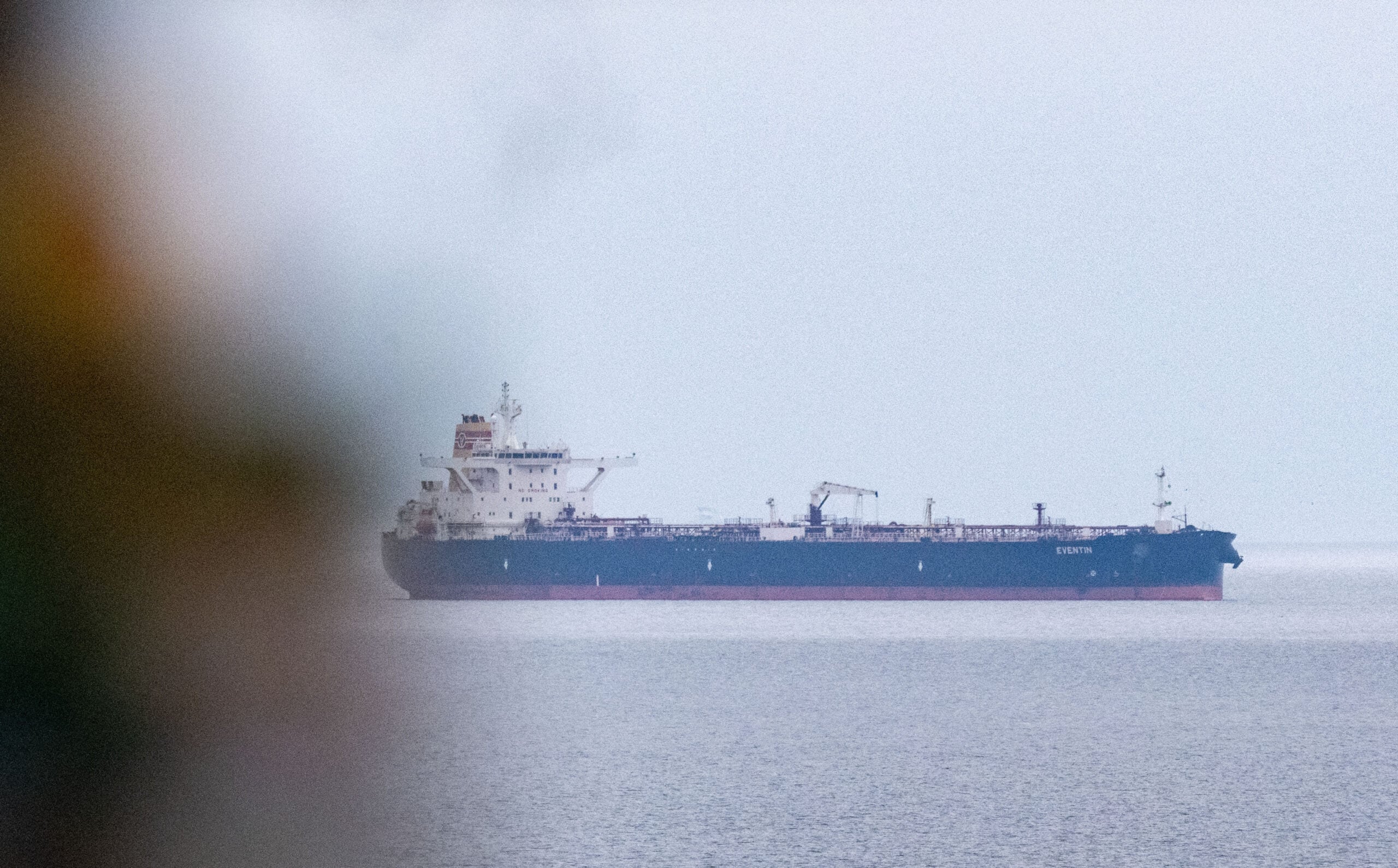
The United States has initiated an operation to seize a Russian-flagged oil tanker in the North Atlantic, following its evasion of a partial blockade aimed at Venezuela. Multiple American media outlets reported on this development on Wednesday, highlighting the strategic implications of the tanker, which is alleged to be part of a “shadow fleet” delivering oil in violation of U.S. sanctions to countries including Venezuela, Russia, and Iran.
Tracking data from MarineTraffic indicated that the tanker was nearing Iceland’s exclusive economic zone. This operation, first reported by Reuters citing two U.S. officials, escalated after Russia dispatched a submarine to escort the empty tanker, which has been under scrutiny by U.S. authorities for several weeks.
The vessel had previously thwarted a U.S. Coast Guard attempt to board it as it approached Venezuela late last month. Meanwhile, the Russian foreign ministry expressed concern over the U.S. pursuit, emphasizing that the tanker, sailing under a Russian flag, was well outside U.S. territorial waters. In their statement to state-run media, they questioned the rationale behind what they termed disproportionate military attention from the U.S. and NATO, asserting the vessel’s peaceful status.
In a significant incident, the tanker conducted a swift change of registration to Russia and rebranded itself as the Marinera, with its crew reportedly painting a Russian flag on the vessel in a bid to assert its identity amidst U.S. watchfulness. The ship has been under U.S. sanctions since 2024 due to alleged connections to Iran and Hezbollah, and it was originally en route to Venezuela but reportedly was not carrying any cargo at the time of its evasion.
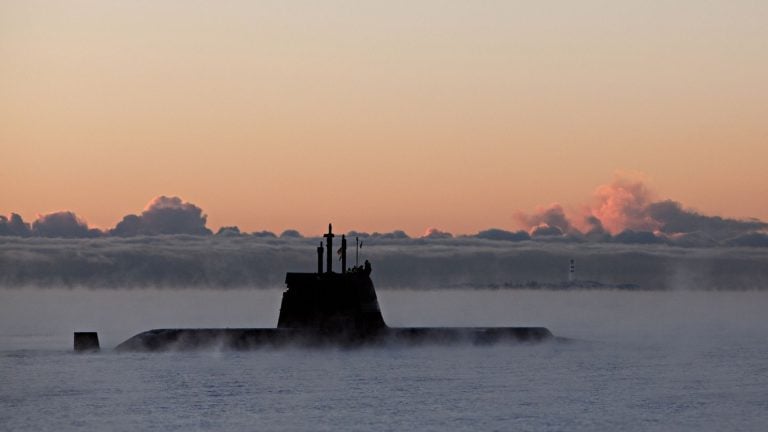
The situation intensified as Russia confirmed the deployment of additional naval assets to secure the tanker. The Wall Street Journal reported that the escorting submarine and other naval resources were part of Russia’s response to the U.S. efforts.
Separately, the U.S. Coast Guard intercepted another tanker linked to Venezuela in Latin American waters, signaling an ongoing crackdown on vessels associated with the sanctioned regime. This increased military focus comes in the wake of significant political developments in Venezuela, after U.S. President Donald Trump sanctioned the handover of tens of millions of barrels of oil from Venezuela to the U.S., following what was described as a successful raid by U.S. special forces that led to the capture of Venezuelan President Nicolas Maduro and his wife.
Implications of the seizing operation and the broader U.S. strategy in Venezuela remain uncertain, particularly regarding the legal and diplomatic frameworks underpinning the intended transfer of oil under the leadership of interim president Delcy Rodriguez. With recent power shifts, questions linger about how these developments will unfold and the potential repercussions for U.S.-Russia relations.