




The Officers Training Academy is unique among military academies because it prepares officers for Short Service Commission and various specialized entries into the Armed Forces. OTA candidates come from diverse educational and professional backgrounds, bringing different experiences, skills, and perspectives.
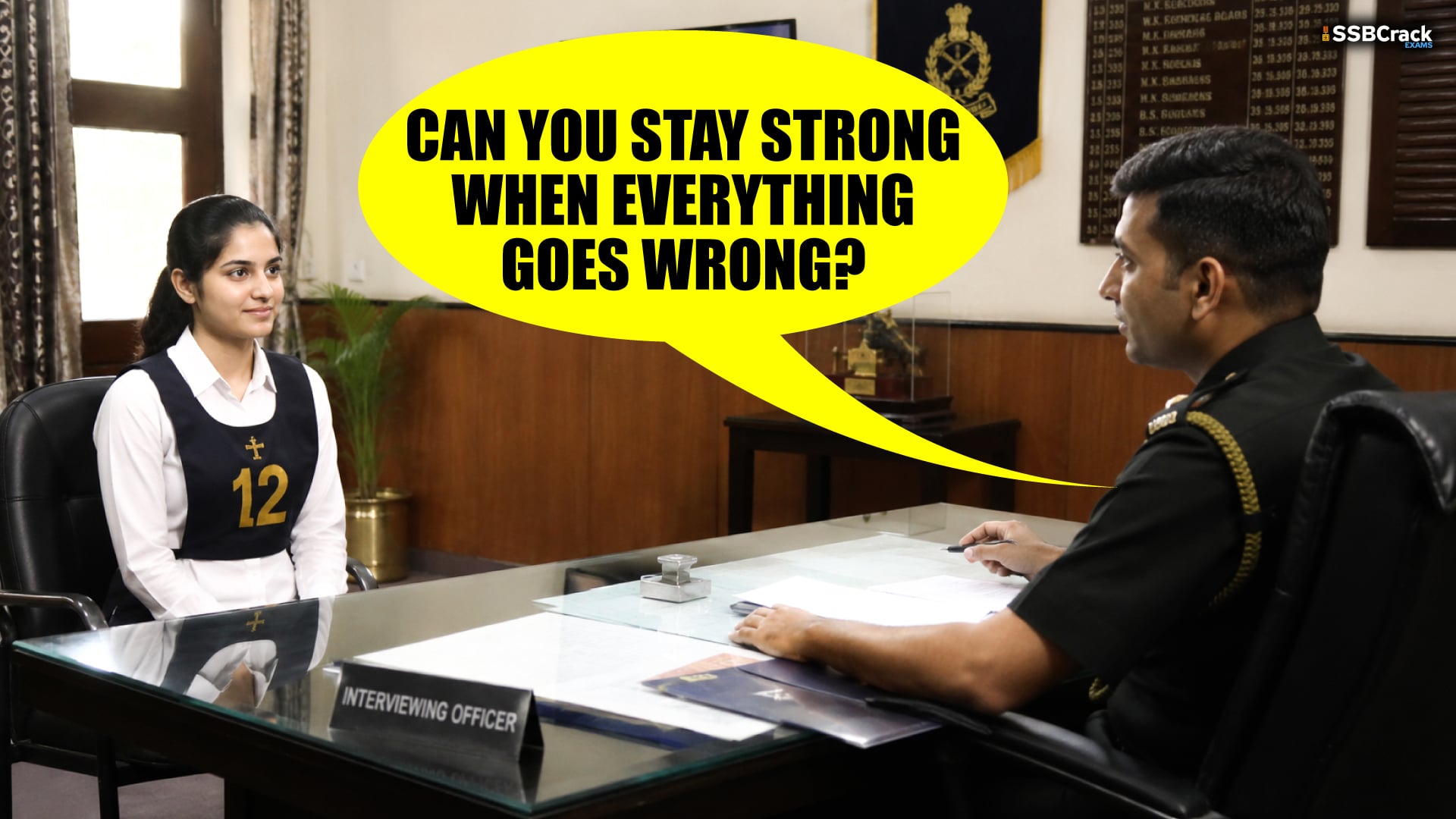
During the SSB Interview, the Interviewing Officer is not merely assessing your academic qualifications or professional achievements. He is trying to understand whether you possess the leadership potential, responsibility, adaptability, initiative, and officer-like qualities required to lead troops and perform effectively in military life.
In this article, we will discuss 20 important SSB Interview questions specifically for OTA aspirants. We will understand why these questions are asked, how to approach them confidently, and examine sample responses that reflect the qualities expected in future officers.
1. Why have you chosen OTA instead of pursuing a civilian career?
Why it is asked
To assess your motivation and commitment toward military service.
How to answer
Focus on service, leadership, responsibility, and personal growth.
Sample Answer
“I chose OTA because I am attracted to a profession that offers responsibility, leadership opportunities, and the chance to serve the nation. The challenges and values associated with military life align with my aspirations.”
2. What do you think will be the biggest adjustment when you join military life?
Why it is asked
To assess awareness and adaptability.
How to answer
Acknowledge challenges while showing readiness.
Sample Answer
“The structured lifestyle and demanding schedule may initially be challenging, but I view them as opportunities to develop discipline and resilience.”
3. What have you learned from your college life that will help you as an officer?
Why it is asked
To assess transferable experiences.
How to answer
Mention leadership, teamwork, and responsibility.
Sample Answer
“College taught me teamwork, communication, time management, and leadership through academic projects, competitions, and organizing events.”
4. How would you handle a situation where your team lacks motivation?
Why it is asked
To assess leadership and influencing ability.
How to answer
Focus on encouragement and example.
Sample Answer
“I would understand the reason behind their lack of motivation, encourage them, communicate the objective clearly, and lead through my own actions.”
5. What does being an officer mean to you?
Why it is asked
To assess understanding of the officer’s role.
How to answer
Focus on responsibility rather than authority.
Sample Answer
“Being an officer means accepting responsibility for people, making sound decisions, maintaining high standards, and leading through example.”
6. Tell me about a situation where you managed multiple responsibilities simultaneously.
Why it is asked
To assess organizational ability.
How to answer
Use a real example.
Sample Answer
“During my final year, I balanced academics, extracurricular activities, and event management responsibilities by prioritizing tasks and managing my time effectively.”
7. If your subordinate repeatedly makes mistakes, how would you handle it?
Why it is asked
To assess leadership and patience.
How to answer
Focus on guidance and improvement.
Sample Answer
“I would identify the cause of the mistakes, provide guidance and training, monitor progress, and help the individual improve while maintaining accountability.”
8. What quality do you think differentiates an officer from an ordinary manager?
Why it is asked
To assess leadership understanding.
How to answer
Focus on influence and responsibility.
Sample Answer
“An officer leads people under challenging circumstances, earns trust through actions, and takes responsibility for both mission accomplishment and team welfare.”
9. Have you ever worked with someone difficult? How did you manage?
Why it is asked
To assess social adaptability.
How to answer
Demonstrate maturity and cooperation.
Sample Answer
“I focused on common goals, maintained professionalism, communicated openly, and avoided personal conflicts.”
10. What role does physical fitness play in leadership?
Why it is asked
To assess awareness of military demands.
How to answer
Connect fitness with performance and example.
Sample Answer
“Physical fitness improves endurance, confidence, and resilience. It also allows leaders to set a positive example for their teams.”
11. If given a task with limited resources, what would you do?
Why it is asked
To assess resourcefulness and Effective Intelligence.
How to answer
Show practical thinking.
Sample Answer
“I would assess available resources, prioritize critical requirements, find alternative solutions, and utilize resources efficiently.”
12. What personal value do you never compromise on?
Why it is asked
To assess character and integrity.
How to answer
Choose a genuine value.
Sample Answer
“I never compromise on honesty because trust and credibility are built upon integrity.”
13. Describe a situation where you took responsibility for a mistake.
Why it is asked
To assess accountability.
How to answer
Be honest and focus on learning.
Sample Answer
“I once missed an important deadline during a project. I accepted responsibility, informed the team, and worked extra hours to minimize the impact.”
14. What would you do if a senior officer’s decision seemed difficult to understand?
Why it is asked
To assess discipline and professionalism.
How to answer
Show respect and willingness to learn.
Sample Answer
“I would execute the assigned task professionally and seek clarification respectfully if required, understanding that seniors may possess information unavailable to me.”
15. How do you usually react to setbacks?
Why it is asked
To assess resilience.
How to answer
Focus on recovery and improvement.
Sample Answer
“I analyze what went wrong, learn from the experience, and redirect my efforts toward achieving the objective.”
16. What is the most important lesson leadership has taught you?
Why it is asked
To assess leadership maturity.
How to answer
Use personal experience.
Sample Answer
“Leadership has taught me that trust is earned through consistent actions, fairness, and taking responsibility during both success and failure.”
17. If selected for OTA, what would be your biggest contribution?
Why it is asked
To assess confidence and self-awareness.
How to answer
Focus on qualities rather than achievements.
Sample Answer
“I would contribute dedication, teamwork, discipline, a positive attitude, and a willingness to learn and support others.”
18. What motivates people to follow a leader?
Why it is asked
To assess leadership understanding.
How to answer
Focus on trust and example.
Sample Answer
“People follow leaders who are competent, trustworthy, fair, and willing to share challenges alongside their team.”
19. What would you do if your team failed despite putting in sincere effort?
Why it is asked
To assess emotional stability and leadership.
How to answer
Focus on learning and morale.
Sample Answer
“I would analyze the reasons for failure, maintain team morale, identify lessons learned, and prepare more effectively for future challenges.”
20. Why do you think you can succeed in OTA training?
Why it is asked
To assess confidence and suitability.
How to answer
Connect personal qualities with training demands.
Sample Answer
“I possess determination, discipline, adaptability, teamwork, and a willingness to learn. These qualities will help me overcome challenges and grow during OTA training.”
Common Traits Seen in Recommended OTA Candidates
They demonstrate maturity and responsibility.
They show initiative in daily life.
They communicate confidently and clearly.
They remain calm under pressure.
They accept mistakes and learn from them.
They display leadership potential through actions.
They possess adaptability and resilience.
They understand the responsibilities associated with officership.
Common Mistakes to Avoid
Giving theoretical leadership answers.
Projecting an unrealistic image of yourself.
Avoiding discussion of failures.
Blaming circumstances or other people.
Focusing only on rank and prestige.
Showing limited understanding of military responsibilities.
Providing examples that lack personal involvement.
Closing Lines
Remember, OTA is designed to transform civilians into military leaders. The academy will teach military skills, tactics, and professional knowledge, but it expects candidates to arrive with the foundation of officer-like qualities already present.
Your goal during the SSB Interview should not be to impress the assessors with perfect answers. Instead, focus on demonstrating responsibility, initiative, integrity, teamwork, leadership potential, and a positive attitude toward challenges.
Be honest, draw from your real-life experiences, and allow your personality to reflect the officer you aspire to become.
Keep preparing, keep improving, and keep moving confidently toward your dream of becoming an officer.
Jai Hind!


