




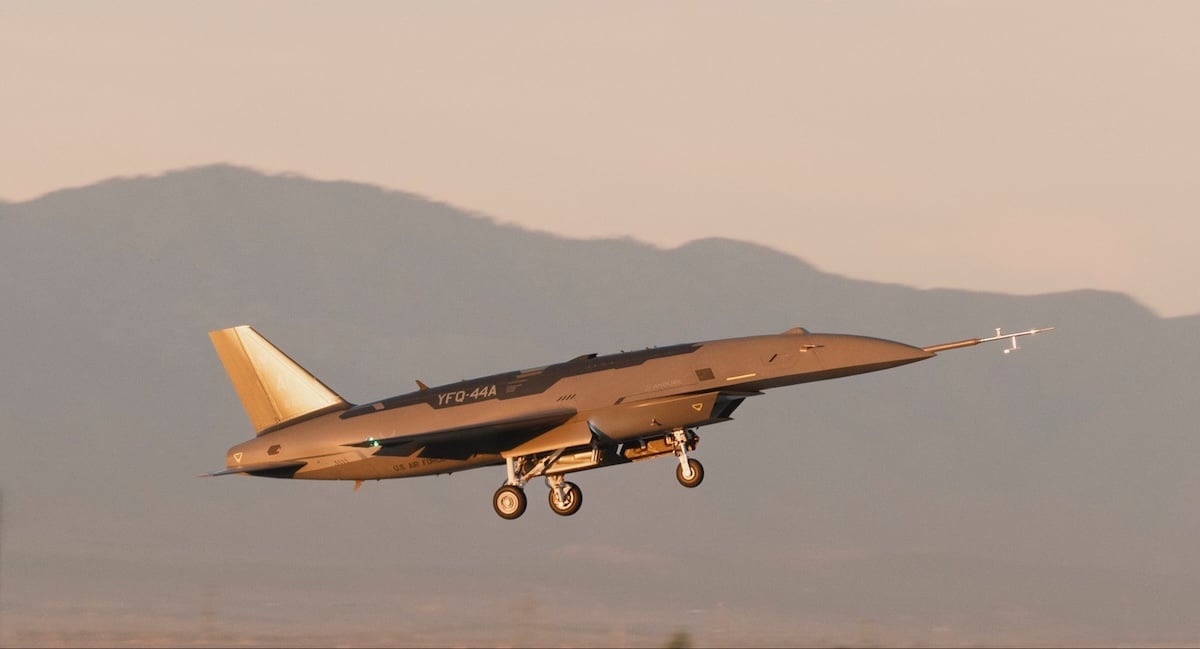
Anduril’s recent drone crashes during testing with the U.S. Air Force have raised significant concerns about the defense technology company’s ability to deliver on its rapid development promises. An Altius drone’s test flight at Florida’s Eglin Air Force Base ended dramatically this month when it plummeted 8,000 feet to the ground. Just hours later, a second Altius drone followed suit, crashing during a separate demonstration. These incidents, reported publicly for the first time, spotlight doubts about whether Anduril, one of Silicon Valley’s most heavily funded defense enterprises, can uphold its claims of battlefield effectiveness.
Founder Palmer Luckey has frequently boasted about the Altius drones’ combat success, asserting earlier this year that these drones had contributed to the destruction of “hundreds of millions of dollars” worth of Russian military assets. However, interviews with former employees, military personnel, and drone operators in Ukraine reveal a disparity between the company’s public assertions and actual field performance.
The company’s Ghost reconnaissance drones have also faced difficulties in Ukraine, particularly withstanding Russian electronic jamming and navigating difficult terrain. Even the updated Ghost X model, released in late 2023 to address these challenges, suffered a notable crash during a U.S. Army exercise in Germany earlier this year, a failure attributed to rotor issues by the company.
In defense of these setbacks, Anduril states that such incidents are part of their testing approach. Company spokesperson Shannon Prior referred to the crashes as “isolated examples” within the context of hundreds of trials, emphasizing that the company aims to rigorously test prototypes under extreme conditions.
The hurdles faced by Anduril are reflective of broader challenges within the U.S. defense sector, which is undergoing a significant push to create autonomous, AI-driven, and cost-effective unmanned systems. This initiative has sparked rapid advancements, though it has also led to notable setbacks.
An example of this trend is the Pentagon’s Replicator Initiative, launched in 2024, which seeks to deploy thousands of low-cost autonomous drones to counteract China’s expanding military capabilities. Various vendors involved in the Replicator Initiative, including smaller contractors focusing on loitering munitions and quadcopters, have reported reliability challenges during early testing phases.
Naval drone experiments are experiencing similar issues. Boeing’s Orca, an extra-large unmanned undersea vehicle, has undergone extensive re-engineering due to delays related to battery reliability and challenges with software integration. The U.S. Navy received its first Orca in 2023, highlighting the ongoing difficulties in developing effective and reliable automated systems in contemporary military applications.


