




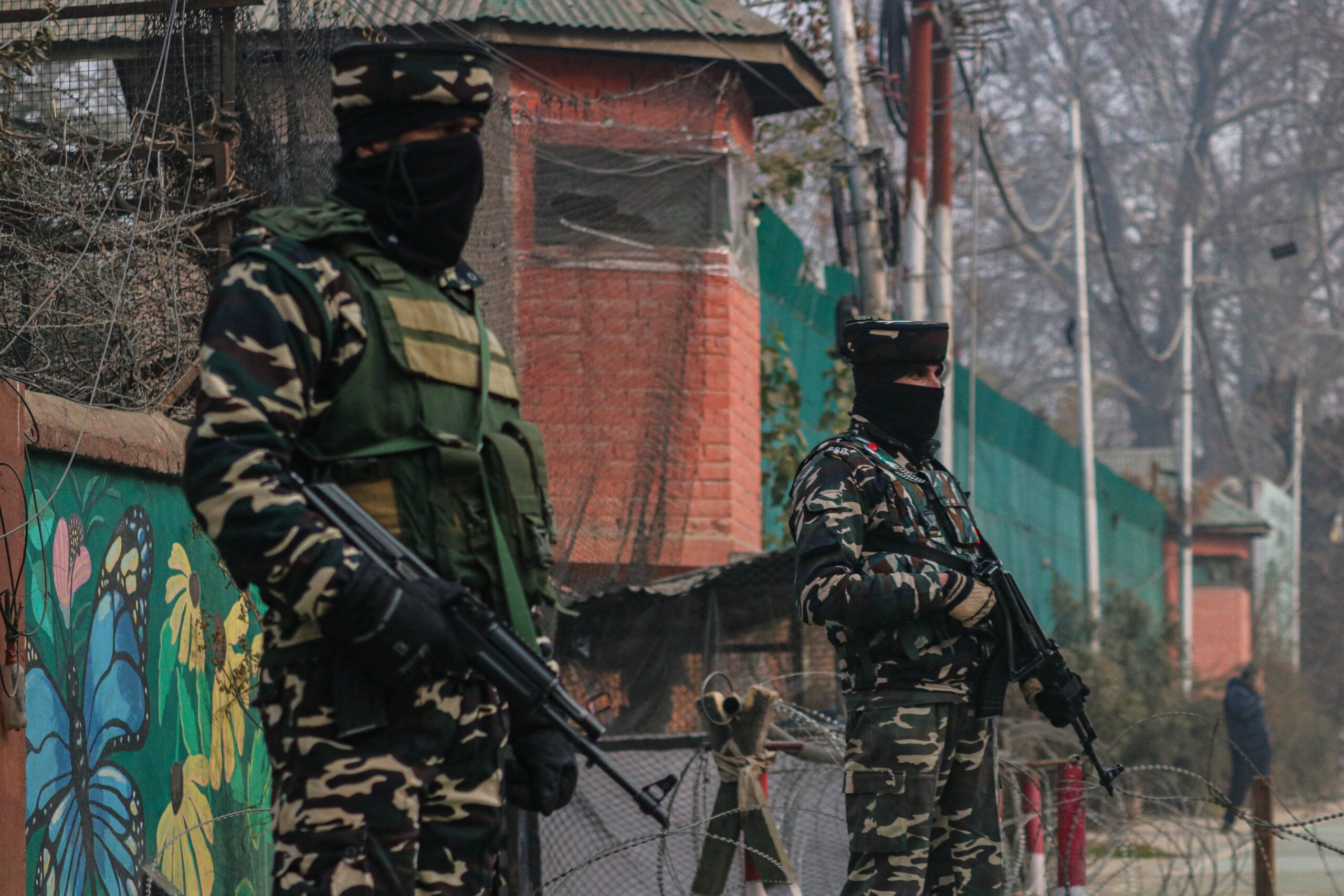
Indian security forces carried out a significant operation in the central state of Chhattisgarh on Wednesday, resulting in the deaths of at least 12 Maoist rebels and three police officers. This raid is part of a broader campaign by authorities to tackle the long-standing insurgency posed by the Maoist guerrillas.
The operation took place in the Bijapur-Dantewada districts and follows a recent high-profile success for Indian forces, which saw the elimination of top Maoist leader Madvi Hidma along with several of his associates just two weeks prior. This intensified offensive by New Delhi is aimed at completely quelling the Maoist movement, with officials declaring an objective to end the insurgency by March.
In pursuing this goal, security forces acted on intelligence regarding the presence of Maoist insurgents in a remote forested region. Senior officer Sundarraj Pattilingam reported that, post-encounter, 12 bodies of the rebels were recovered. He also confirmed the casualties among the police force, with three officers losing their lives in the operation and two others sustaining injuries.
The conflict, rooted in social and economic grievances, has a troubled history that dates back nearly six decades when villagers began their fight against oppressive feudal systems. The Naxalite rebellion, named after the village in West Bengal where it originated, has claimed the lives of over 12,000 individuals, including rebels, soldiers, and civilians.
In a notable turn of events earlier this year, the Maoists declared a suspension of their armed struggle and expressed a willingness to engage in dialogue with the government. Furthermore, reports indicate that nearly 300 Maoist fighters have surrendered in recent weeks, signaling possible cracks in the resilience of the insurgency.
At its peak in the mid-2000s, the rebellion saw control over approximately one-third of India and boasted an estimated force of 15,000 to 20,000 fighters. However, the significant military pressure exerted in recent years has led to a dramatic decline in their operational strength.


