




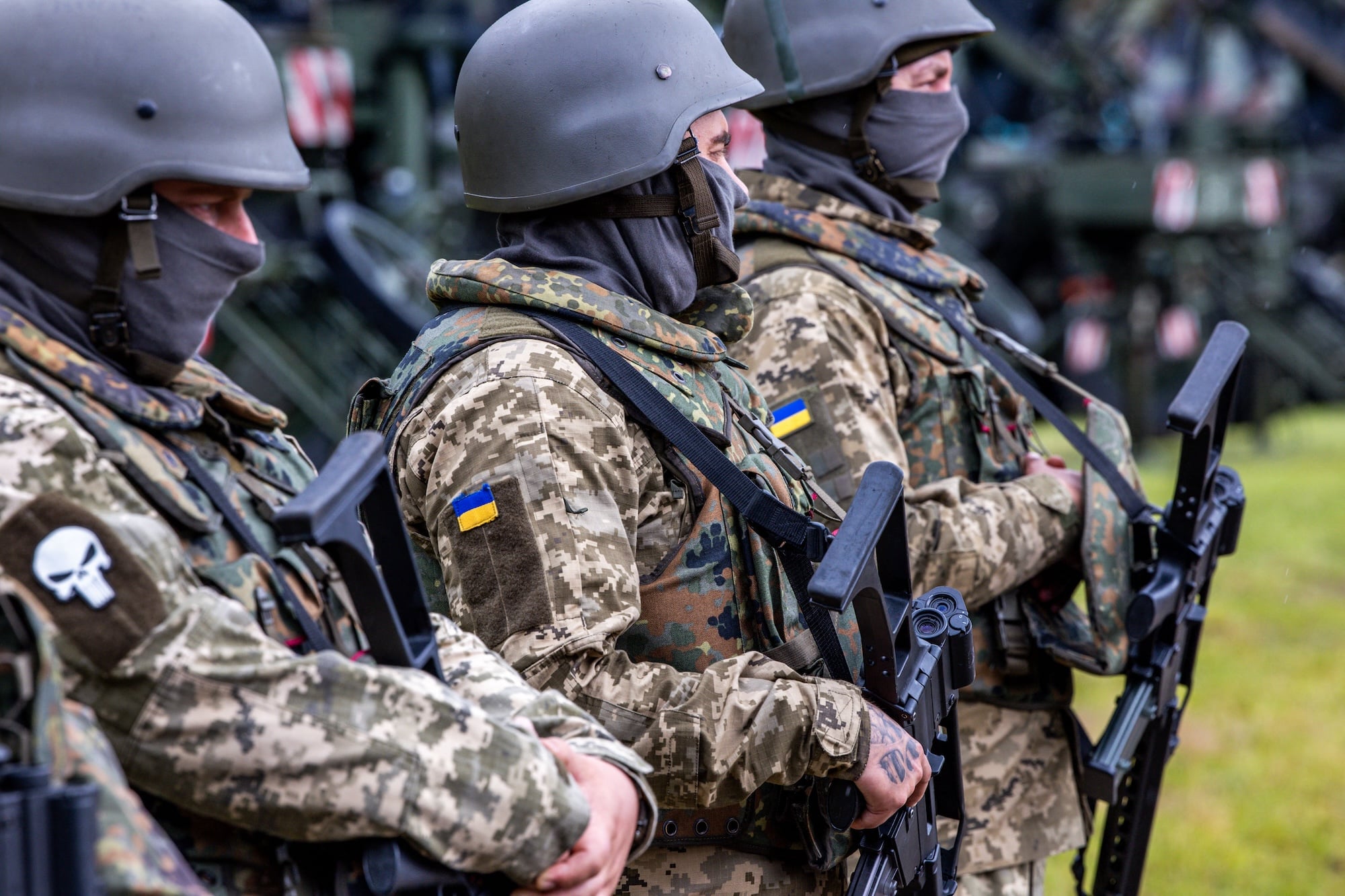
The United States has approved a substantial $800 million security assistance package aimed at supporting Ukraine in its ongoing conflict with Russia, which has persisted for almost four years. This military aid was announced as part of the National Defense Authorization Act (NDAA) and has now been submitted to President Donald Trump for final approval.
The aid package will be funneled to Ukraine through the Ukraine Security Assistance Initiative, a program launched by the Pentagon in response to Russia’s invasion in 2022. The implementation of this assistance is scheduled over the next few years, with $400 million allocated for each of the years 2026 and 2027, facilitating critical military support for Ukraine as it navigates the challenges posed by the conflict.
In addition to the support for Ukraine, the latest NDAA includes a $175 million package aimed at bolstering the defense capabilities of the Baltic states—Estonia, Latvia, and Lithuania. This initiative particularly underscores the heightened tensions on NATO’s eastern flank, reflecting the growing concerns around regional security.
The NDAA also imposes a cap on the number of U.S. servicemembers stationed in Europe, limiting them to 76,000. Furthermore, it includes a provision that prevents the U.S. European Commander from resigning his position as the NATO Supreme Commander, ensuring continuity of leadership amid ongoing regional challenges.
Domestically, the NDAA aims to enhance safety protocols regarding military helicopter operations in the wake of a catastrophic accident in Washington, D.C., that resulted in the loss of over 60 lives. Although the bill is anticipated to push for the rebranding of the Department of Defense to the Department of War, it has not allocated specific funding for this change.
Additionally, the legislation contains measures that could impact travel budgets for Pentagon Secretary Pete Hegseth, contingent upon his cooperation in releasing unedited footage related to contentious military operations initiated during Trump’s declared campaign against narcoterrorists in South America.
On another front, the NDAA introduces recommendations to lift sanctions imposed on Syria due to its connections with the Iranian-backed Hezbollah and other paramilitary organizations during the tenure of former President Bashar al-Assad. This shift coincides with Trump’s suggestion for Syria’s new leadership to establish formal relations with Israel, simultaneously negotiating for sanctions relief during recent discussions involving Saudi Crown Prince Mohammed bin Salman and Turkish President Recep Tayyip Erdogan.


