




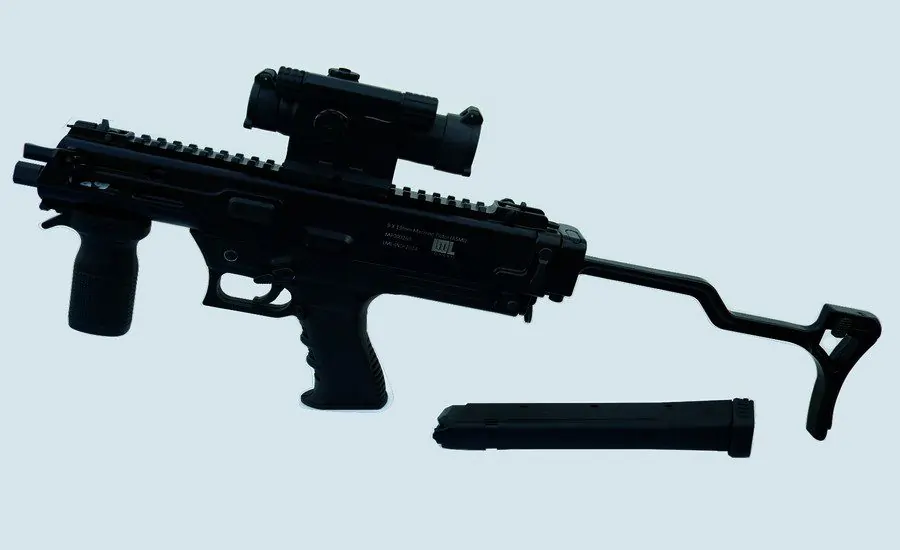
The Indian Army has embarked on a significant initiative for small-arms modernisation, which involves the induction of one lakh indigenous 9-mm pistols aimed at enhancing its close-quarters combat capabilities within infantry units.
This initiative aligns with the government’s Make-in-India and Aatmanirbhar Bharat campaigns. The Ministry of Defence has issued a Request for Information (RFI) to engage domestic manufacturers capable of meeting the specifications required. This strategic push is seen as a pivotal move towards phasing out older sidearms and standardising modern pistol models across various Army formations.
Intended primarily for urban warfare, counter-insurgency, and counter-terrorism operations, the new pistols are designed to be lightweight and agile, facilitating quick responses in confined and densely populated areas. The specifications for the new firearms include night sights and advanced targeting options, ensuring operational effectiveness under diverse conditions.
One of the primary goals of this programme is to replace the existing 9-mm semi-automatic pistols produced by the Rifle Factory Ishapore. The new models will feature ambidextrous controls, compatibility with suppressors, and accessory rails, marking a significant upgrade over the current systems. While special forces have been reliant on imported pistols, this initiative aims to equip the broader infantry with a universally superior platform.
The RFI also emphasizes design scalability and Transfer of Technology (ToT) for future modernisation efforts. Following procurement, the Indian Army plans to engage in licensed production of the pistols and their accessories, a move designed to decrease reliance on foreign imports and strengthen the domestic defence manufacturing sector.
Operational reliability is a core requirement, with the pistols expected to perform consistently across various terrains including plains, deserts, and high-altitude areas up to 18,000 feet. They are also required to function effectively day and night in temperatures ranging from –30°C to +55°C. Additionally, a modular design is mandated, allowing for easy upgrades through minor modifications rather than extensive redesigns.
The introduction of these pistols is part of a broader effort to enhance infantry capabilities. Following the delivery of Light Machine Guns (LMGs) and Close Quarter Battle (CQB) carbines, Israel Weapon Industries has confirmed the upcoming delivery of the first batch of 40,000 LMGs early next year. Furthermore, a major contract for CQB carbines is nearing finalisation, with Bharat Forge as a leading bidder, supported by PLR Systems of the Adani Group for a significant portion of supplies.
Additionally, the Defence Research and Development Organisation, along with the Army, has developed an indigenous 9-mm weapon explicitly tailored for counter-insurgency and counter-terrorism applications, incorporating innovative 3D-printed components. This development showcases the progress of India’s defence research and development capabilities.
Strategically, the one-lakh pistol programme reinforces India’s commitment to indigenisation in response to evolving border and internal security challenges. By replacing outdated sidearms with advanced, modular, and terrain-agnostic pistols, the Indian Army not only enhances its tactical advantages but also lays a strong foundation for future self-reliance and potential defence exports in the coming years.


