




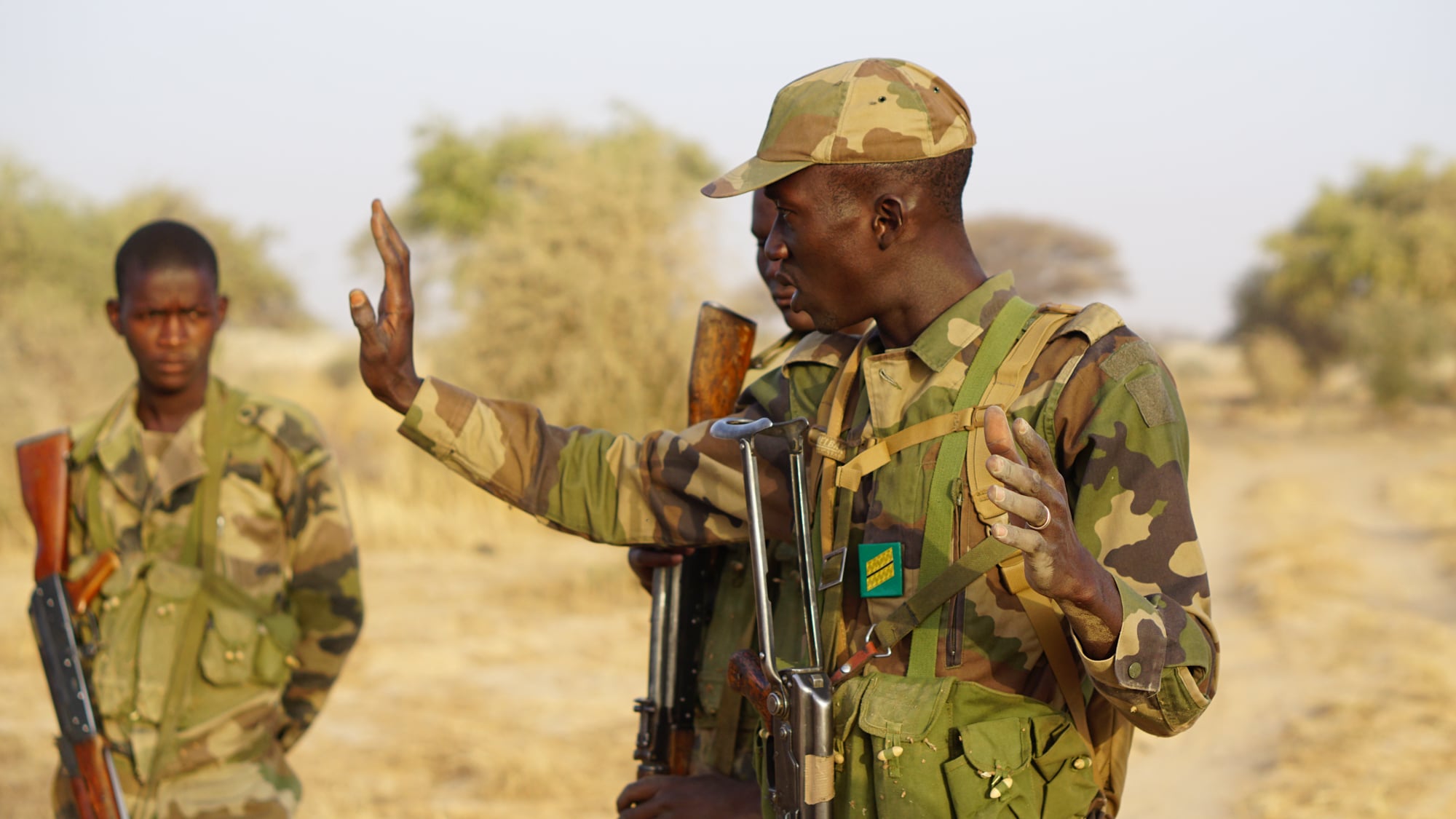
Niger’s military leadership has implemented a general mobilization and requisition of resources in response to a persistent jihadist insurgency ravaging the nation, as detailed in a recent government statement. This unprecedented measure follows the military coup in July 2023, which ousted the democratically elected president, Mohamed Bazoum, and has left the junta grappling with escalating attacks from Islamist militants across various regions.
At a cabinet meeting on Friday, officials resolved to initiate these mobilization efforts, emphasizing the need for collective action to defend the nation. The government statement outlined that during this state of general mobilization, citizens may be called upon to surrender their property, services, and other resources to aid in the country’s defense. It mandated a swift response from every citizen to any call-up or requisition order issued by the government’s authorities.
The rationale behind these drastic measures was framed around the necessity to “preserve the integrity of the national territory” and “protect the population.” Niger has faced a vigorous jihadist threat for over a decade, with violent groups linked to Al-Qaeda and Islamic State striking fear throughout the nation. According to conflict monitoring organization ACLED, nearly 2,000 lives have been claimed by the ongoing violence.
The southeastern regions of Niger have also fallen victim to attacks from Boko Haram and the Islamic State West Africa Province (ISWAP), complicating the security landscape further. In an effort to bolster its military capabilities, Niger previously expanded its armed forces to 50,000 soldiers and elevated the retirement age for senior officers.
Additionally, the government has been appealing to its citizens for “voluntary” contributions to a fund established in 2023, aimed at financing military hardware and agricultural initiatives. This appeal reflects the ongoing urgency to secure adequate resources to combat the insurgency effectively.
The junta has also taken significant steps to reshape Niger’s military alliances. Shortly after seizing power, the new leaders ordered the withdrawal of French and American troops who had been involved in counter-insurgency operations, marking a shift in international military collaborations.
In a regional response to the jihadist threat, Niger, alongside Mali and Burkina Faso—both governed by military juntas—has formed a joint anti-jihadist force comprising 5,000 troops. This collaborative effort reflects an increasing regional acknowledgment of the urgent need to combat the growing influence of extremist groups in West Africa.


