




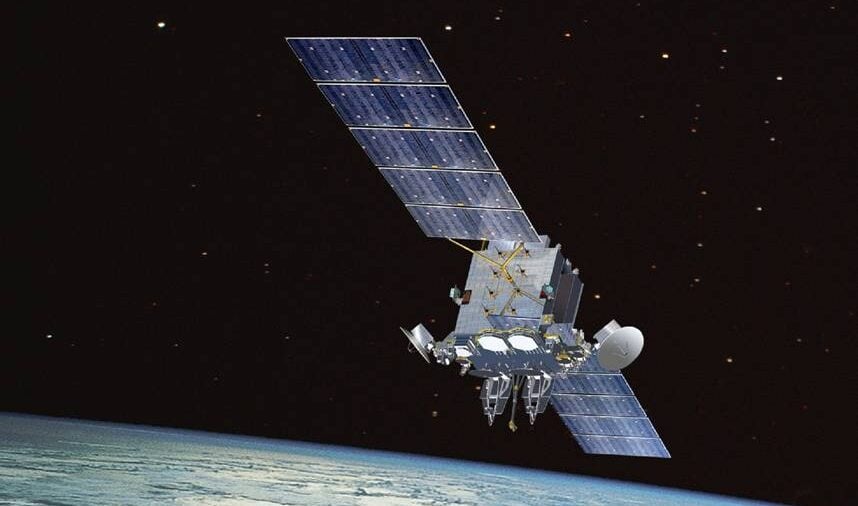
Recent revelations by researchers in Europe have sparked alarm within the aerospace community after it was discovered that live satellite communications can be intercepted using commercially available equipment costing only $800. This finding challenges the long-held belief that satellite infrastructure is impenetrable, highlighting vulnerabilities that have persisted since many satellites were launched.
The researchers demonstrated their ability to eavesdrop on satellite signals, capturing thousands of private communications, including phone calls and text messages from T-Mobile users. Fragments of unprotected military communications were also intercepted. This breach raises significant concerns, particularly when considering the potential capabilities of nation-states armed with substantially more resources.
The core issue lies in the nature of radio frequency communication, which remains the backbone of most satellite systems. These systems broadcast waves over wide areas, making it feasible for individuals with the right equipment to intercept signals. While encryption is intended to protect data, the standards used by satellites launched in the early 2000s are now outdated. Furthermore, once a satellite is in orbit, managing encryption keys becomes challenging; infrequent updates leave communications vulnerable over time.
As technology evolves rapidly, many satellites designed for a different era do not afford the level of security needed today. The physical barrier that once protected satellite communications has eroded, with affordable digital receivers and accessible decryption tools now available to the public.
To combat these risks, experts believe that shifting towards optical communication could serve as a viable solution. Satellites employing laser technology rely on focused beams of light to transmit data, creating a significant challenge for interception. The probability of intercepting a laser signal requires precise alignment, making it a far more secure option than traditional radio frequency systems.
Beyond security, optical communication offers increased data transmission speeds and operates outside the congested radio spectrum, which is becoming increasingly crowded. Historical challenges associated with atmospheric turbulence and commercial viability have been addressed, paving the way for practical implementation of laser communications.
The consequences of the $800 satellite hack are clear: it urges a reevaluation of security assumptions surrounding satellite communications. As competition in space grows among private enterprises, startups, and state actors, the notion that remote technologies are secure must be reconsidered. While radio systems will continue to play a crucial role, the need for more secure communication technologies is undeniable, emphasizing the importance of incorporating optical systems into satellite infrastructures. As the landscape of space technology evolves, so must our approaches to safeguarding communications in this contested domain.


