




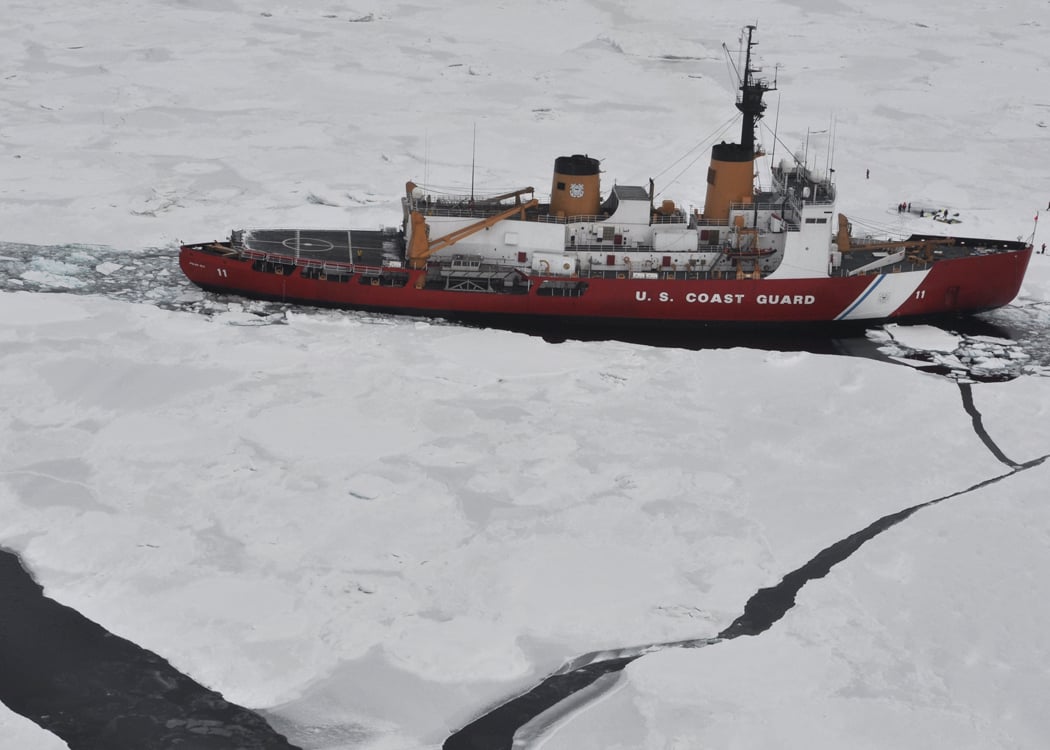
The U.S. Coast Guard has awarded a significant contract to Louisiana-based Bollinger Shipyards and Finland’s Rauma Marine Constructions for the development of six Arctic Security Cutters (ASC). This initiative is part of a broader strategy stemming from the Polar Security Cutter (PSC) program, intended to phase out aging icebreaker vessels that have been in service since the 1970s. The goal is to retire these outdated ships by 2030 in order to enhance operational capabilities in the Arctic and Antarctic regions.
The ASCs will be designed as medium versions of the 460-foot (140-meter) PSC platforms, specifically tailored for missions in the Arctic. Under the new agreements, Bollinger is set to construct four of the vessels, with assembly taking place in Houma, Louisiana, supported by various facilities across the Gulf Coast. The first ASC from Bollinger is projected to be completed by 2029. In contrast, Rauma Marine Constructions will build its two cutters in Satalunta, with an expected delivery a year earlier.
Bollinger has indicated that the ASC project aims to ultimately manufacture up to 11 cutters, highlighting the potential for expanded capacity in Arctic operations. The U.S. Coast Guard has described this initiative as a “decisive action,” crucial for safeguarding American sovereignty in the face of increasing economic and military threats in the Arctic region.
Officials stress that this initiative is vital for maintaining control over the U.S. northern border and bolstering maritime operations. Homeland Security Secretary Kristi Noem reflected on the importance of the program, stating, “America has been an Arctic nation for over 150 years, and we’re finally acting like it under President Trump.” She underscored the necessity of revitalizing the Coast Guard’s icebreaking capabilities as instrumental for national security and prosperity, marking the announcement of the ASC initiative as an essential move in that direction.


