




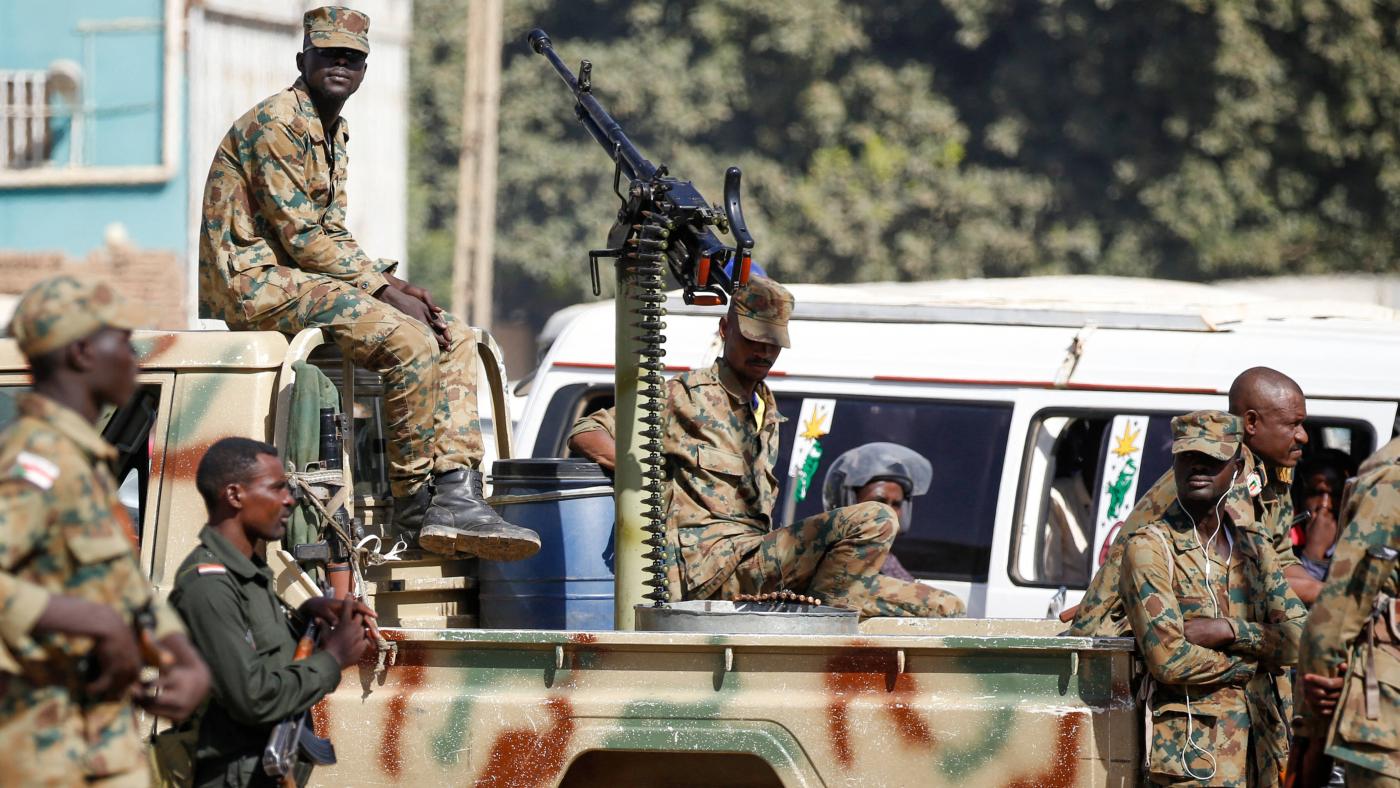
Pakistan is poised to finalize a significant $1.5 billion agreement aimed at supplying weapons, aircraft, and drones to Sudan, a strategic move intended to enhance Sudan’s capabilities in its ongoing conflict with the paramilitary Rapid Support Forces (RSF).
The comprehensive package is reported to include over 200 drones designed for reconnaissance and loitering attack missions, as well as 10 K-8 Karakoram light attack aircraft and sophisticated air defense systems. Sources familiar with the negotiations, as reported by Reuters, noted that the deal may also encompass PAC MFI-395 Super Mushshak training aircraft and potentially JF-17 Thunder fighter jets, which are developed in partnership with China and produced in Pakistan. However, specifics concerning the quantity and timelines for delivery remain unclear.
Retired Air Marshal Aamir Masood, who remains informed about air force developments, has confirmed that the agreement appears to be a “done deal.” Official responses from the Islamabad government and a spokesman for the military in Khartoum have not materialized, highlighting the opacity surrounding the negotiations.
While details about the financing of the deal were not disclosed, Masood suggested that Saudi Arabia could play a crucial role. Reports vary regarding whether Riyadh is actively funding the transaction or merely facilitating it.
From a strategic perspective, analysts indicate that the addition of these advanced military assets could empower Sudan’s army to reclaim air superiority, a realm it dominated early in the hostilities that erupted in April 2023. The ongoing conflict has created one of the worst humanitarian crises globally, with the RSF increasingly utilizing drones to secure territory, thereby undermining the army’s formation and control.
The emerging agreement also signals Pakistan’s growing footprint in defense exports. Recently, Islamabad finalized a substantial weapons deal exceeding $4 billion with Libya, aimed at supporting eastern-based forces. Additionally, Pakistan has engaged in defense discussions with Bangladesh while navigating a $7 billion International Monetary Fund program designed to assist countries in stabilizing their economies.
As the situation develops, the implications of this deal could have profound impacts on both Sudan’s military capabilities and Pakistan’s position within the global defense market.


