




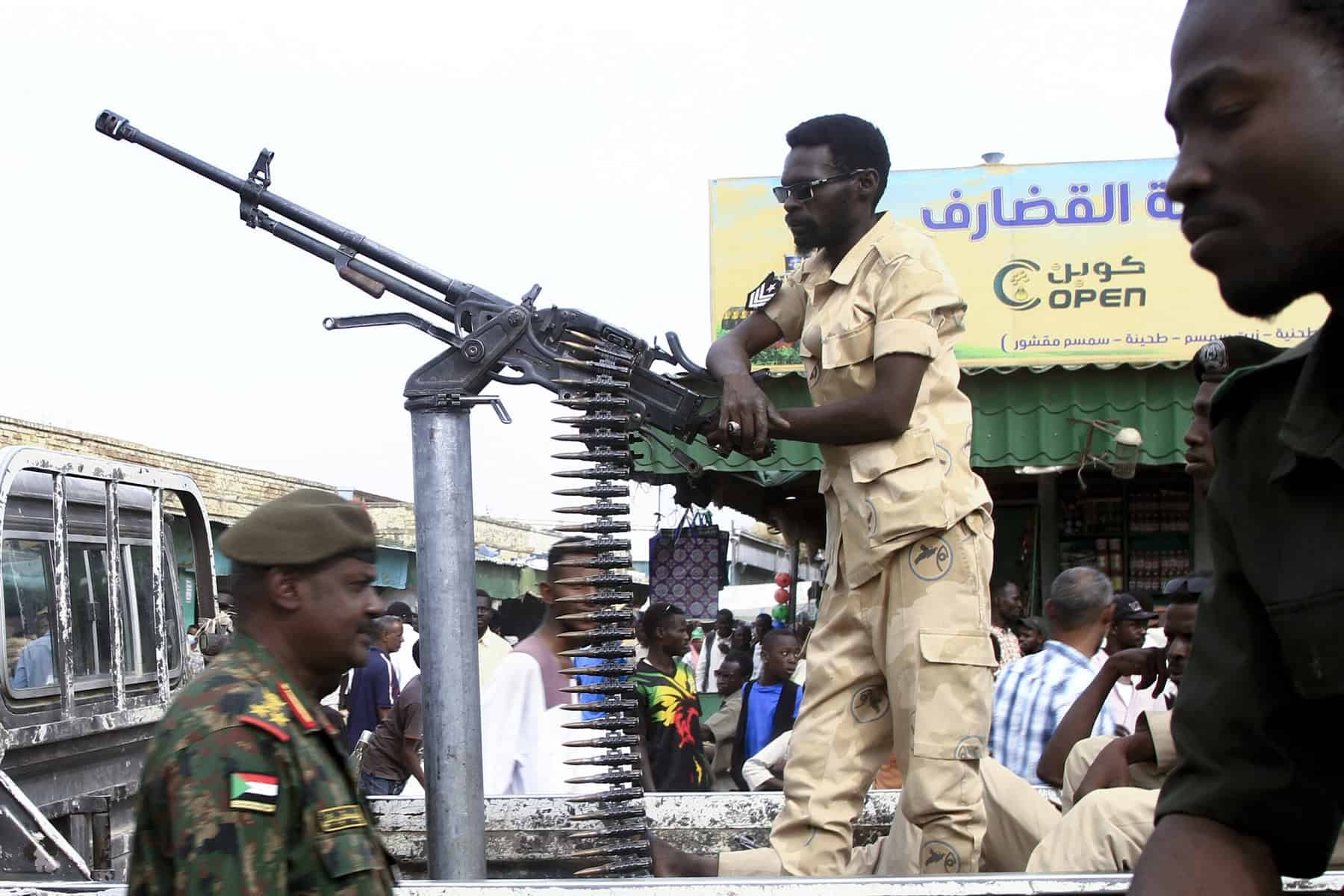
Sudan’s paramilitary Rapid Support Forces (RSF) have launched a drone strike on an army base in the southeastern city of Sinja, claiming the lives of 27 individuals, according to military and health sources. The attack on Monday marked a significant escalation in ongoing hostilities between the army and the RSF, occurring just a day after the army-aligned government announced its return to Khartoum after nearly three years based in Port Sudan.
Sinja, located approximately 300 kilometers (180 miles) southeast of Khartoum, serves as the capital of Sennar state and lies along a crucial route connecting the national capital to army-controlled territories in the east. Until this latest assault, the city had largely avoided the intense fighting that has plagued other regions, especially since the army’s recapture of the area in late 2024 as part of a broader offensive that ultimately reclaimed Khartoum.
Military sources reported that RSF drones specifically targeted the headquarters of the army’s 17th Infantry Division in Sinja. Ibrahim al-Awad, the health minister for Sennar state, confirmed that the attack left 73 others wounded, highlighting the severe toll the strike has taken on both military personnel and civilians.
A security source, who spoke on condition of anonymity, detailed that the strike occurred during a high-level meeting comprising military, security, and government officials from various eastern and central states. This point was further underscored by the narrowly missed assassination of the governor of White Nile state, as indicated by the communications office for the state. Tragically, his bodyguard and head of protocol were reported among the casualties.
Local residents recounted the harrowing experience, describing loud explosions followed by anti-aircraft fire. This incident represents a continuation of violence that has become alarmingly familiar in the region as factions compete for power.
Since the outbreak of war in April 2023 between the army and RSF, tens of thousands have lost their lives, and around 11 million people have been displaced, creating what the United Nations calls the world’s largest displacement and hunger crises. Despite the turmoil, over 200,000 individuals are reported to have returned to Sennar following the area’s recapture, but the UN’s migration agency warns that many such returns are precarious, occurring amidst ongoing insecurity and damaged infrastructure.
As the RSF remains entrenched in control of vast areas, particularly in the western Darfur region and southern Kordofan, the humanitarian situation continues to worsen. With multiple cities under paramilitary siege, hundreds of thousands are at risk of mass starvation, especially in Kordofan.
The conflict has been characterized by both sides employing tactics that involve targeting civilian infrastructure, prompting the UN to label it a “war of atrocities.” As the fighting persists, the humanitarian implications for the civilian population are dire, with the hope of lasting stability increasingly uncertain.


