




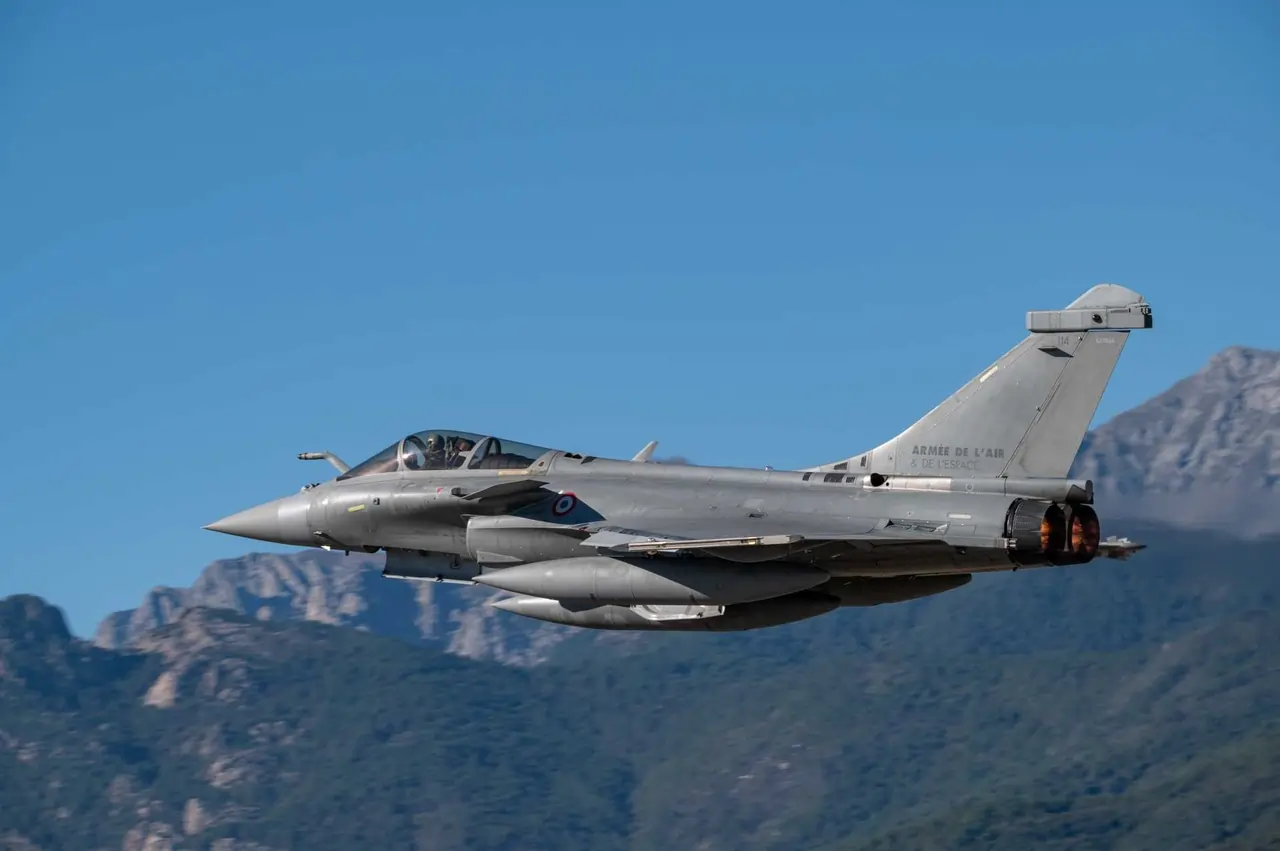
India is on the verge of a monumental decision regarding its defense capabilities, as the Defence Ministry prepares for internal discussions this week on an extensive proposal to acquire 114 Rafale fighter jets from France. This acquisition is estimated to cost around ₹3.25 lakh crore, according to official sources.
If the proposal is ratified, it will strengthen India’s air combat capabilities significantly, lifting the total number of Rafale jets in service to 176. This figure includes the 36 Rafale jets already in operation with the Indian Air Force (IAF) and an additional 26 Rafale-M variants ordered for the Navy.
### Details of the Proposal
The proposal entails procuring 114 Rafale units under a government-to-government agreement with France. Notably, the plan includes:
– Delivery of 12 to 18 jets in fly-away condition for accelerated operational readiness.
– A commitment to manufacture the majority of the aircraft within India, incorporating approximately 30% indigenous content.
– Integration of Indian weapons and systems into the jets, while ensuring that source codes remain with France.
Following clearance from the Defence Ministry, the proposal will require final approval from the Cabinet Committee on Security (CCS).
### Strategic Rationale
This procurement proposal aligns with India’s pressing need to address the decreasing strength of its air squadrons amid a challenging geopolitical landscape. The Indian Air Force had submitted its Statement of Case (SoC) for the 114 aircraft several months ago, and discussions are now advancing toward a decision phase. Additionally, recent operations, such as Operation Sindoor, have highlighted the Rafale’s superior performance, particularly its SPECTRA electronic warfare suite, which has provided significant advantages against aerial threats.
### Industrial and ‘Make in India’ Dimension
The acquisition is expected to foster deeper industrial collaboration with France. Plans include establishing a Maintenance, Repair, and Overhaul (MRO) facility for the M-88 engines in Hyderabad and expanding roles for Indian aerospace companies, including private sector participation. This initiative aims to bolster India’s domestic manufacturing ecosystem, although the indigenous content still falls short of the typical 50-60% thresholds seen in other ‘Make in India’ projects.
### Why Rafale, Despite Competition?
As discussions progress, the decision to proceed with the Rafale acquisition comes despite competing offers for fifth-generation fighters from the US and Russia, specifically the F-35 and Su-57. Officials have indicated that Rafale’s proven capabilities, shorter delivery timelines, existing support infrastructure, and interoperability with current IAF assets have made it the preferred choice for immediate needs.
### The Path Forward
The next steps include internal discussions within the Defence Ministry over the next two to three days, followed by cost negotiations and inter-ministerial reviews. Approval from the CCS is essential before finalizing the contract. If the acquisition proceeds, it will form the backbone of the IAF’s future force structure, complementing existing aircraft like the Su-30 MKI, alongside indigenous programs such as the Light Combat Aircraft (LCA) Mk-1A/Mk-2 and setting the stage for the Advanced Medium Combat Aircraft (AMCA) expected post-2035. The proposed Rafale deal thus emerges as a crucial element in enhancing India’s combat readiness while advancing its indigenous fighter development ambitions.


