




In a significant development, the Kremlin announced that President Vladimir Putin has agreed to suspend strikes on Kyiv and its surrounding areas for a week, ending on February 1. This decision follows a personal request from U.S. President Donald Trump, aimed at alleviating the harsh conditions faced by civilians amidst extreme cold weather.
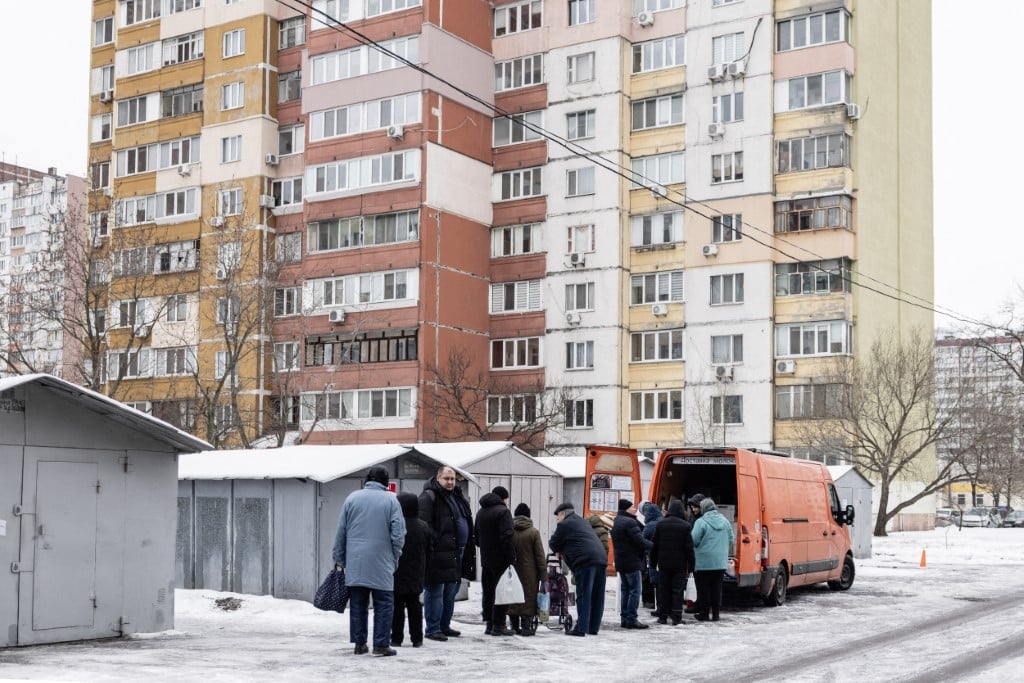
The request by Trump emphasized the need for a cessation of hostilities to facilitate a negotiation process aimed at resolving the nearly four-year conflict between Ukraine and Russia. With temperatures expected to plummet to -30C in Kyiv in the coming days, there are pressing concerns about a potential humanitarian crisis, particularly given the ongoing attacks on Ukraine’s energy infrastructure that have left many districts without heating.
Kremlin spokesperson Dmitry Peskov confirmed Trump’s appeal, stating, “I can say that President Trump did indeed make a personal request to President Putin to refrain from striking Kyiv for a week until February 1 in order to create favorable conditions for negotiations.” While the specifics of Trump’s request were not disclosed, it highlights a possible shift in the dynamics of the conflict.
In light of this announcement, Ukraine has reported a decrease in large-scale drone and missile strikes that have been a defining feature of the conflict. President Volodymyr Zelensky noted on social media that “there were no strikes on energy facilities last night,” though he acknowledged that Ukrainian infrastructure had still faced attacks the previous day, including strikes on logistical routes.
Zelensky welcomed Trump’s initiative, pledging not to target Russian energy infrastructure if Russia refrains from attacking Ukraine’s energy assets. He stated, “The countdown began last night. It depends on our partners, of course, on the United States, how all this will go.”
Despite the temporary pause in strikes, reports indicate that Russia continues to launch drone and missile attacks, causing damage in various regions, including Chernigiv and Zaporizhzhia. The worsening cold weather is anticipated to complicate the situation further, with warnings about the humanitarian impact on vulnerable populations.
As diplomatic discussions are set to resume in Abu Dhabi, a critical focus will be the ongoing territorial disputes that remain unresolved. Moscow demands Ukraine withdraw from contested areas of the Donetsk region, a move that Ukraine, asserting its sovereignty, deems unacceptable. President Zelensky reiterated Ukraine’s stance, stating, “We are ready for compromises that lead to a real end to the war, but that are in no way related to changes to Ukraine’s territorial integrity.”
Furthermore, Ukraine has ordered the evacuation of families with children from several villages in the northeastern Kharkiv region as the Russian army makes advancements in the area. Governor Oleg Synegubov announced that the evacuation decision was made to ensure the safety of the 25 children still residing there.
Zelensky also expressed concerns over the suspension of prisoner swaps, one of the few areas of cooperation remaining between the opposing sides in the conflict, suggesting that Russia is less interested in these exchanges.
As the situation unfolds, both nations appear to be navigating complex challenges, with the humanitarian crisis and territorial integrity at the forefront of ongoing negotiations and military actions.


