




The U.S. Army has made significant strides in its Flight School Next program, which aims to modernize basic helicopter training for its pilots. Recently, the Army announced that three competitors would proceed to the next phase of the program, which focuses on developing a new helicopter platform and associated training processes.
The contenders moving forward in this important phase include industry giants Lockheed Martin, Bell Textron, and M1 Support Services. Each company is now tasked with crafting comprehensive proposals that outline their strategies and solutions for the program. This decision follows a swift assessment during the previous phase, where all three challengers were validated based on their cost estimates and planning capabilities.
The Flight School Next initiative, also known as the Initial Entry Rotary Wing, will be based at Fort Rucker, Alabama. It is projected to train between 900 and 1,500 pilots annually, delivering essential preparatory aviation courses. A key aspect of this initiative will involve phasing out the Airbus UH-72A Lakota fleet, which has been in operation since the 2000s, and implementing a new training infrastructure.
Lockheed Martin has proposed the Robinson Helicopter Company’s R66 NxG platform for this initiative. Their comprehensive offering includes technical support, spare parts, and a tailored training services package designed to enhance the Army’s competency in helicopter operations. Lockheed Martin intends to leverage its extensive experience with similar programs, such as the British Military Flight Training System and Australia’s AIR5428 Pilot Training System, to bring proven methodologies to the Army.
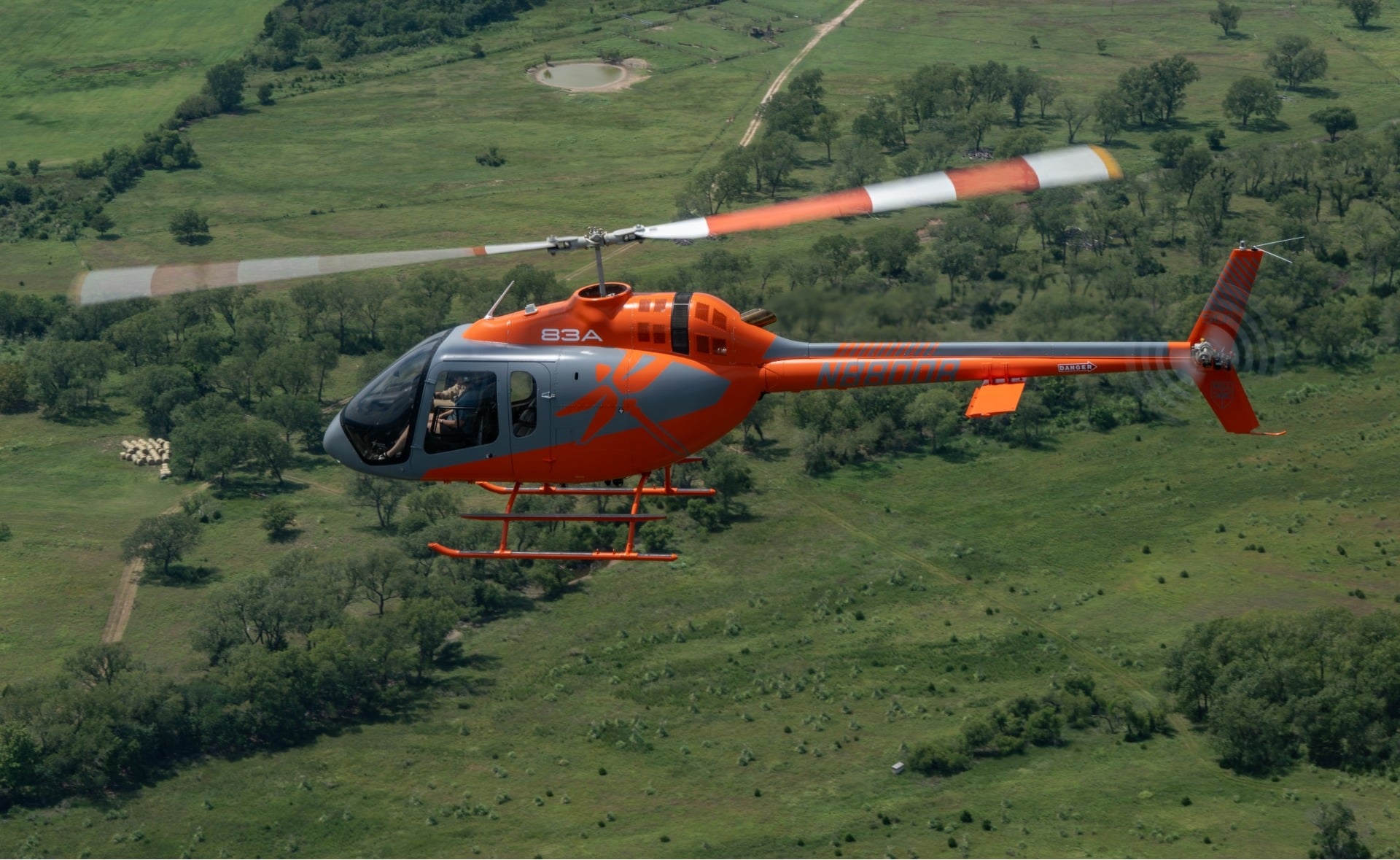
Bell Textron is advocating for its well-established 505 airframe as part of its submission. The company emphasized its longstanding partnership with the U.S. Army, dating back to the H-13 Sioux trainer and extending through various helicopter models, including the UH-1H Huey and TH-67 Creek. They plan to harness their expertise in modern training solutions and management skills, drawing on the resources available from the Bell Training Academy in Texas.
M1 Support Services is also backing the Robinson R66 helicopter for the program, similar to Lockheed’s proposal. However, M1 brings a wealth of experience in supporting various training operations at multiple U.S. Air Force and Navy bases. The company boasts a robust maintenance capability, managing over 500 helicopters across five major airfields, facilitating up to 400 sorties daily and amassing 240,000 flight hours each year. M1’s consortium includes notable partners like General Dynamics Information Technology, Quantum Helicopters, and the University of North Dakota Aerospace Foundation, further bolstering their bid.
As the Army advances in its vision for enhanced helicopter training, the collaborations and innovations proposed by these companies are set to play a crucial role in shaping the future of military aviation.


