




In Defence Current Affairs for 17 April 2026, we will see the latest national and international current affairs news. These important current affairs will be beneficial for your upcoming NDA, CDS, CDS OTA, AFCAT, TA, Agniveer Army, Agniveer Navy, Agniveer Air Force, Women Military Police, INET, MNS, ACC exams, SCO, PCSL, CAPF, and SSB interviews, and direct entries for Army, Navy, and Air Force like SSC Tech, TGC, JAG, NCC, TES, 10+2 Cadet. Download a PDF file about current events at the end of this article. Let us now see the Current Affairs.
Defence Current Affairs 17 April 2026
LeT Co-founder Amir Hamza Attacked
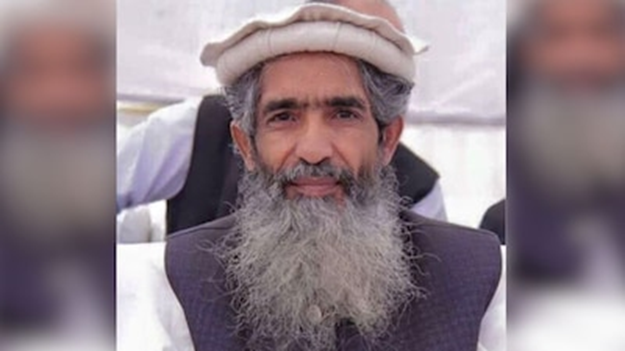
- A major development in the regional security environment occurred when Amir Hamza, a co-founder of the Pakistan-based terror group Lashkar-e-Taiba (LeT), was shot by unidentified gunmen in Lahore.
- The attack took place outside a television news channel office and marks the second assassination attempt on him within a year. He was reportedly taken to a hospital in critical condition.
- Amir Hamza is considered one of the key ideologues and senior-most leaders of LeT, often regarded as second in command after Hafiz Saeed. Over the years, he has played a crucial role in:
- Propaganda and recruitment strategies
- Fundraising networks
- Ideological outreach of the organisation
- He has also been linked to several terror activities, including the 2005 Indian Institute of Science (IISc) attack in Bengaluru.
- Despite reportedly forming a splinter group called Jaish-e-Manqafa in 2018, Hamza has continued to remain influential in extremist networks. He is also designated as a global terrorist by the United States.
- This incident reflects a broader pattern of targeted attacks on high-profile terror figures in Pakistan, raising questions about internal conflicts and security dynamics within such groups.
India to Launch Bids for Bharat Small Modular Reactor (BSMR-200)
- In a separate but strategically important development, India is preparing to invite bids for the 220 MWe Bharat Small Modular Reactor (BSMR-200), marking a major step in its clean energy and nuclear expansion strategy.
- The project is being developed by:Bhabha Atomic Research Centre (BARC)Nuclear Power Corporation of India Limited (NPCIL)The government is expected to invite bids within the next 3–6 months, with both domestic and foreign companies allowed to participate (in partnership with Indian firms).Key Features of BSMR-200Capacity: 220 Megawatt Electric (MWe)
- Type: Compact Pressurised Heavy Water ReactorCost: Approx. ₹5,900+ crore (pilot project)
- Construction timeline: 5–6 years
- Designed for modular, scalable deployment
- Strategic ImportanceSupports India’s green energy transition
- Helps reduce dependence on fossil fuelsStrengthens energy security and self-reliance
- Part of the Nuclear Energy Mission targeting 100 GW nuclear capacity by 2047
- Small Modular Reactors (SMRs) are seen as a game-changing technology, offering:Lower costsEnhanced safety features
- Flexibility for industrial and remote applications
Sheshnaag-150 Swarm Drone: India’s Leap into Advanced Drone Warfare
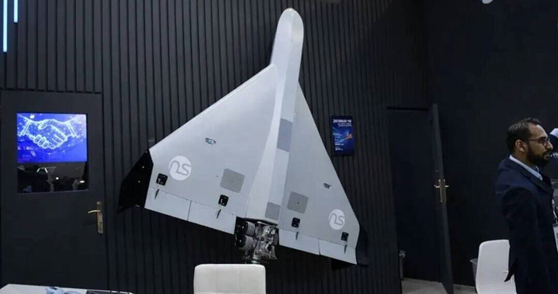
- India has achieved a significant milestone in indigenous defence technology with the successful testing of the Sheshnaag-150 swarm drone, a long-range unmanned combat system designed for modern battlefield requirements. The recent demonstration at Pokhran highlights India’s growing capabilities in autonomous and swarm-based warfare.
- Successful Test at Pokhran
- The Sheshnaag-150 drone underwent a crucial test at the Pokhran range, where it demonstrated its ability to operate as part of a coordinated swarm. The trial showcased real-time manoeuvring, navigation, and controlled detonation in a safe testing environment.
- One of the most notable aspects of the test was its 700 km strike demonstration, indicating strong long-range operational capability. Although the system was not tested to its full limits, it is designed to reach distances of up to 1,000 km, making it suitable for deep-strike missions.
- Key Features of Sheshnaag-150
- 1. Swarm Warfare Capability
- The drone operates in groups (swarms), where multiple units coordinate using advanced algorithms. This allows them to:
- Attack from multiple directions
- Overwhelm enemy air defence systems
- Increase mission success rates
- Swarm technology acts as a force multiplier in modern warfare.
- 2. Long-Range Strike & Endurance
- Operational range: 700–1000 km+
- Endurance: Over 5 hours
- Capable of deep penetration into enemy territory
- This allows surveillance, loitering, and precision strike missions without immediate human intervention.
- 3. Payload & Combat Capability
- Each drone can carry a warhead of approximately 25–40 kg, capable of targeting:
- Military infrastructure
- Vehicles and logistics hubs
- Command and control centres
- 4. AI & Autonomous Operations
- The Sheshnaag-150 uses advanced AI-driven coordination software (often referred to as “mother code”) that enables:
- Real-time communication between drones
- Autonomous target identification
- Adaptive mission behaviour
- This reduces dependence on continuous human control.
- 5. GPS-Denied Navigation
- A major advantage is its ability to operate even when GPS signals are jammed. The drone is expected to use visual navigation systems, allowing it to:
- Recognize terrain
- Continue missions in electronic warfare environments
- Strategic Importance for India
- The development of Sheshnaag-150 reflects India’s shift towards indigenous, cost-effective, and scalable defence solutions.
- Why It Matters
- Provides a cheaper alternative to expensive cruise missiles
- Enhances deep strike capability
- Reduces risk to human pilots
- Strengthens Atmanirbhar Bharat in defence
- The ability to deploy multiple low-cost drones instead of a single high-cost weapon fundamentally changes battlefield strategy.
- Future Role in Warfare
- Modern conflicts have shown the effectiveness of swarm drones in disrupting enemy defences. Systems like Sheshnaag-150 are expected to play a major role in:
- Border surveillance (LoC & LAC)
- High-altitude warfare
- Precision strikes in hostile environments
- Network-centric and AI-driven combat systems
Vladimir Putin to Attend BRICS Summit in India 2026
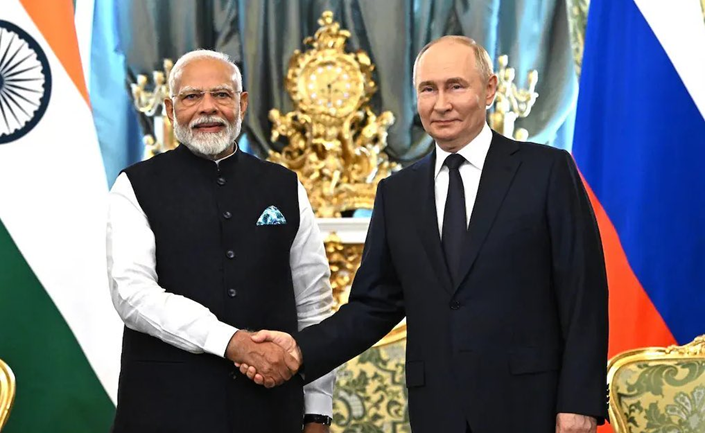
- A major diplomatic development has emerged as Vladimir Putin, the President of Russia, is set to visit India in 2026 to participate in the upcoming BRICS Summit. This visit highlights the continuing strength of India-Russia relations and the growing importance of multilateral cooperation among emerging economies.
- Confirmation of Visit
- According to official statements from the Kremlin, Vladimir Putin will “definitely” attend the BRICS Summit scheduled to be held in India later this year. The confirmation was given by Kremlin spokesperson Dmitry Peskov, although exact dates are yet to be announced.
- India is expected to host the 18th BRICS Summit in September 2026, under the leadership of Narendra Modi, as part of its presidency of the grouping.
- Second Visit Within a Year
- This visit will mark Putin’s second trip to India within a year, reflecting the close strategic partnership between the two nations.
- His last visit took place in December 2025, during the India-Russia Annual Summit
- The visit also marked the 25th anniversary of the India-Russia Strategic Partnership
- Frequent high-level engagements indicate that both countries continue to prioritise cooperation despite global geopolitical shifts.
- Significance of the BRICS Summit
- The BRICS grouping—comprising Brazil, Russia, India, China, and South Africa along with new members—serves as a key platform for:
- Strengthening economic cooperation
- Enhancing trade and investment
- Discussing global governance reforms
- Addressing geopolitical challenges
- The 2026 summit is expected to take place at a time of heightened global uncertainty, making discussions even more crucial.
- Recent reports also confirm that Putin’s participation underscores the importance of BRICS as a counterbalance to Western-dominated institutions.
- India’s Role as Host
- As the host nation, India is likely to push forward key priorities such as:
- Inclusive and sustainable development
- Strengthening Global South cooperation
- Promoting multilateralism
- Addressing regional conflicts and economic instability
- India’s leadership role in BRICS further enhances its position as a major global diplomatic player.
- Strategic Importance for India-Russia Relations
- The upcoming visit is expected to further deepen cooperation between India and Russia in areas such as:
- Defence and military technology
- Energy security (including oil and nuclear energy)
- Trade and economic partnerships
- Space and scientific collaboration
- Despite evolving global alliances, India continues to maintain a balanced foreign policy, strengthening ties with both Western countries and long-standing partners like Russia.
Review Questions
- Amir Hamza is associated with which terrorist organization?
A. Jaish-e-Mohammed
B. Lashkar-e-Taiba
C. Taliban
D. ISIS
Ans: B - Amir Hamza was attacked in which city?
A. Karachi
B. Islamabad
C. Lahore
D. Peshawar
Ans: C - Amir Hamza is considered close to which leader?
A. Osama bin Laden
B. Hafiz Saeed
C. Ayman al-Zawahiri
D. Masood Azhar
Ans: B - Amir Hamza has been linked to which 2005 attack in India?
A. Parliament Attack
B. Mumbai Attack
C. IISc Bengaluru Attack
D. Pulwama Attack
Ans: C - Amir Hamza was designated as a global terrorist by which country?
A. India
B. Russia
C. USA
D. UK
Ans: C
- What does BSMR stand for?
A. Bharat Small Modular Reactor
B. Basic Small Machine Reactor
C. Bharat Strategic Mega Reactor
D. None of the above
Ans: A - What is the capacity of BSMR-200?
A. 100 MWe
B. 150 MWe
C. 220 MWe
D. 500 MWe
Ans: C - Which organizations are involved in developing BSMR-200?
A. ISRO & DRDO
B. BARC & NPCIL
C. HAL & BEL
D. NTPC & ONGC
Ans: B - The BSMR-200 is a type of:
A. Thermal Power Plant
B. Solar Reactor
C. Nuclear Reactor
D. Hydro Plant
Ans: C - India aims to achieve how much nuclear capacity by 2047?
A. 50 GW
B. 75 GW
C. 100 GW
D. 150 GW
Ans: C
- The Sheshnaag-150 is primarily a:
A. Fighter jet
B. Submarine
C. Swarm drone
D. Missile system
Ans: C - The Sheshnaag-150 was tested at:
A. Kargil
B. Pokhran
C. Sriharikota
D. Andaman
Ans: B - What is the approximate strike range demonstrated by Sheshnaag-150?
A. 200 km
B. 500 km
C. 700 km
D. 1500 km
Ans: C - Maximum designed range of Sheshnaag-150 is around:
A. 800 km
B. 900 km
C. 1000 km
D. 1200 km
Ans: C - What is a key feature of swarm drones?
A. Single control only
B. Manual operation
C. Coordinated group attack
D. Limited range
Ans: C
- Which leader is expected to attend the BRICS Summit 2026 in India?
A. Xi Jinping
B. Joe Biden
C. Vladimir Putin
D. Emmanuel Macron
Ans: C - BRICS does NOT include which country?
A. Brazil
B. Russia
C. India
D. Japan
Ans: D - The BRICS Summit 2026 is expected to be hosted by:
A. China
B. Russia
C. India
D. Brazil
Ans: C - Vladimir Putin is the President of:
A. Ukraine
B. Russia
C. Belarus
D. Kazakhstan
Ans: B - BRICS is mainly a grouping of:
A. Developed Western countries
B. Emerging economies
C. Military alliances
D. NATO countries
Ans: B
ALSO READ:
- Latest Daily Current Affairs and Defence Updates
- Latest Daily Current Affairs March 2026[DOWNLOAD PDF]
- Latest Daily Current Affairs February 2026[DOWNLOAD PDF]
- Latest Daily Current Affairs January 2026[DOWNLOAD PDF]
- Latest Daily Current Affairs November 2025[DOWNLOAD PDF]
- Latest Daily Current Affairs October 2025[DOWNLOAD PDF]
- Latest Daily Current Affairs August 2025[DOWNLOAD PDF]
- Latest Daily Current Affairs July 2025[DOWNLOAD PDF]
- Monthly Defence Current Affairs June 2025 [DOWNLOAD PDF]
- Monthly Defence Current Affairs May 2025 [DOWNLOAD PDF]
- Monthly Defence Current Affairs April 2025 [DOWNLOAD PDF]
- Monthly Defence Current Affairs March 2025 [DOWNLOAD PDF]
- Monthly Defence Current Affairs February 2025 [DOWNLOAD PDF]
- Monthly Defence Current Affairs January 2025 [DOWNLOAD PDF]
- Defence Current Affairs Year End Review 2024
- Monthly Defence Current Affairs November 2024 [DOWNLOAD PDF]
- Monthly Defence Current Affairs October 2024 [DOWNLOAD PDF]
- Monthly Defence Current Affairs September 2024 [DOWNLOAD PDF]
- Monthly Defence Current Affairs August 2024 [DOWNLOAD PDF]
- Monthly Defence Current Affairs July 2024 [DOWNLOAD PDF]


