




The United States has taken decisive action by imposing sanctions on a Chinese oil terminal as part of a broader initiative aimed at curbing Iran’s oil revenues. The sanctions were announced on Friday and reflect heightened tensions in diplomatic efforts following a hiatus in negotiations, especially in the context of President Donald Trump’s recent policy adjustments concerning US-Israeli military actions against Iran. This move comes at a strategically critical time, just weeks ahead of Trump’s anticipated visit to China, which is notably one of Iran’s major oil customers.
The State Department has specifically targeted Qingdao Haiye Oil Terminal Co., Ltd., citing its significant role in importing tens of millions of barrels of Iranian crude oil. This activity is said to have enabled Iran to generate billions of dollars, which is essential for funding various operations that the US considers destabilizing. The assertion underscores the US commitment to holding both Iran and its collaborators accountable for any sanctions evasion.
According to the State Department, any transactions involving the Qingdao oil terminal will now be subject to criminalization under US law, further tightening the net around Iran’s oil revenue streams. The terminal is located within Qingdao, a crucial maritime hub on the Yellow Sea, and this action builds upon previous sanctions imposed on similar entities within the region, highlighting the consistency in the US approach.
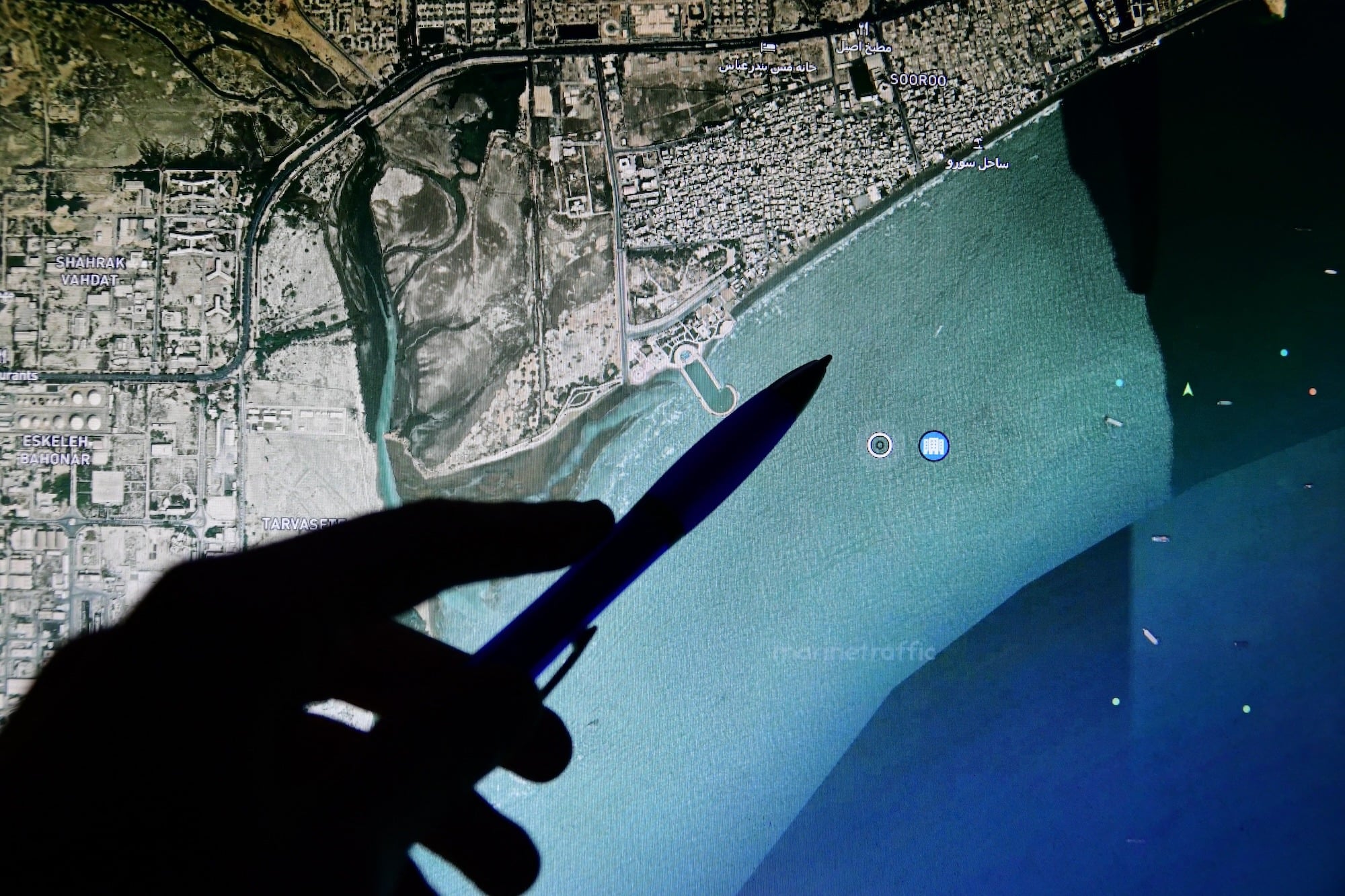
The broader geopolitical backdrop includes soaring global oil prices, which have escalated in part due to increased tensions following Iranian actions that have threatened to disrupt the Strait of Hormuz—an essential route for global energy transportation. In retaliation to previous US-Israeli military actions, Iran has taken a more aggressive stance, signaling intentions to impose tolls on vessels navigating this critical waterway, a move that has elicited strong responses from US officials.
In a bid to minimize potential financial transactions with Iran, the Treasury Department’s Office of Foreign Assets Control issued a precautionary alert. This advisory aims to inform entities both domestic and international about the sanctions risks associated with any payments made to the Iranian government, particularly concerning “safe passage” through maritime routes.
Moreover, the Treasury Department has not only focused on the terminal itself but has also imposed sanctions on three Iranian foreign currency exchange houses, which are believed to facilitate the conversion of oil revenues into currencies that are more usable for international transactions. US Treasury Secretary Scott Bessent has articulated a firm stance, emphasizing that the department will continue “relentlessly” to target Iran’s financial capabilities, aiming to restrict its ability to generate and repatriate funds while pursuing anyone who aids Tehran in avoiding sanctions.
The unfolding situation remains critical, marking another chapter in the ongoing confrontation between the US, its allies, and Iran, which continues to assert its interests amid the escalating international scrutiny.


