




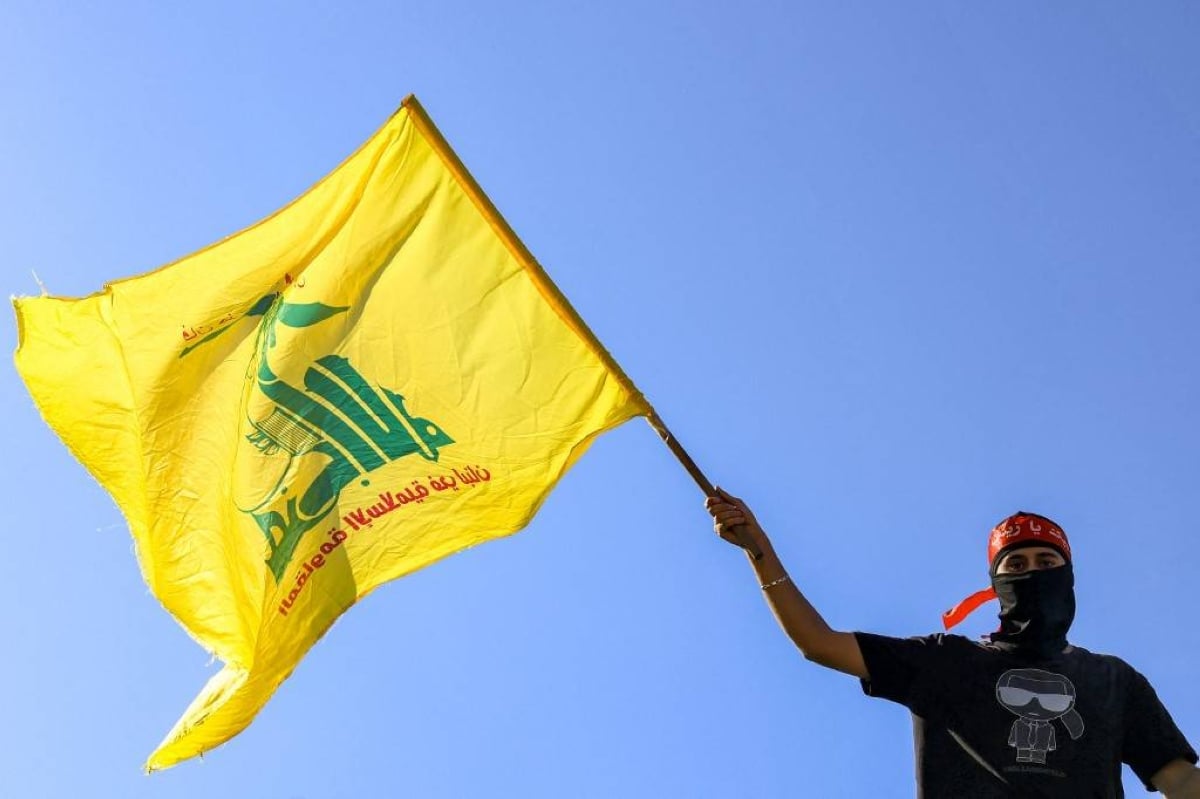
Hezbollah chief Naim Qassem expressed optimism regarding the possibility of a substantial agreement between Iran and the United States, indicating that Lebanon would be included in the terms. In a recent televised address, Qassem emphasized that such a deal would signal a cessation of hostilities, particularly in the context of ongoing conflicts involving his group and Israel.
The tensions escalated when Hezbollah fired rockets into Israeli territory on March 2, responding to the killing of Iran’s supreme leader during US-Israeli military operations. This act of retaliation marked a significant deepening of the conflict, drawing Lebanon into the broader regional war involving Iran and its allied groups.
Iranian officials have suggested that an agreement with Washington would include provisions affecting Lebanon, a statement that has raised expectations for a diplomatic resolution. However, Israeli Prime Minister Benjamin Netanyahu countered these sentiments by asserting that US President Trump had reaffirmed his staunch backing of Israel’s right to defend itself against threats, particularly from Lebanon.
In his address, Qassem expressed hope that efforts toward a final agreement were nearing completion, highlighting Hezbollah’s desire to be among those benefiting from any cessation of hostilities. He underscored the significance of the speech occurring on the anniversary of Israel’s withdrawal from South Lebanon in 2000, which followed nearly two decades of occupation. This withdrawal was a direct result of Hezbollah’s persistent military pressure.
Addressing Hezbollah’s longstanding alliance with Iran, Qassem asserted that Iran would emerge from the regional conflict “with its head high,” reflecting the group’s deep ties to its supporter. Despite the ongoing warfare and significant losses, Qassem reiterated Hezbollah’s refusal to disarm, framing the group’s military capabilities as essential to Lebanon’s sovereignty and security.
He also voiced strong opposition to any direct negotiations between Lebanon and Israel, criticizing the US as an unreliable mediator. Qassem urged Lebanese authorities to abandon direct talks with Israel, suggesting that these negotiations primarily serve Israeli interests and would ultimately betray Lebanon’s national objectives.
Hezbollah maintains that disarming the group would equate to stripping Lebanon of its defensive capabilities, fundamentally compromising its security. Qassem described the call for disarmament as an “Israeli project” aimed at weakening the resistance movement, reiterating that the existence of Hezbollah is vital in the face of what he termed an “existential threat” to Lebanon and its people.
In his concluding remarks, he conveyed a defiant stance, asserting that Hezbollah would not yield even if faced with a united front against it globally, underlining the group’s determination to resist any pressures for disarmament or concessions in the ongoing conflict with Israel.


