




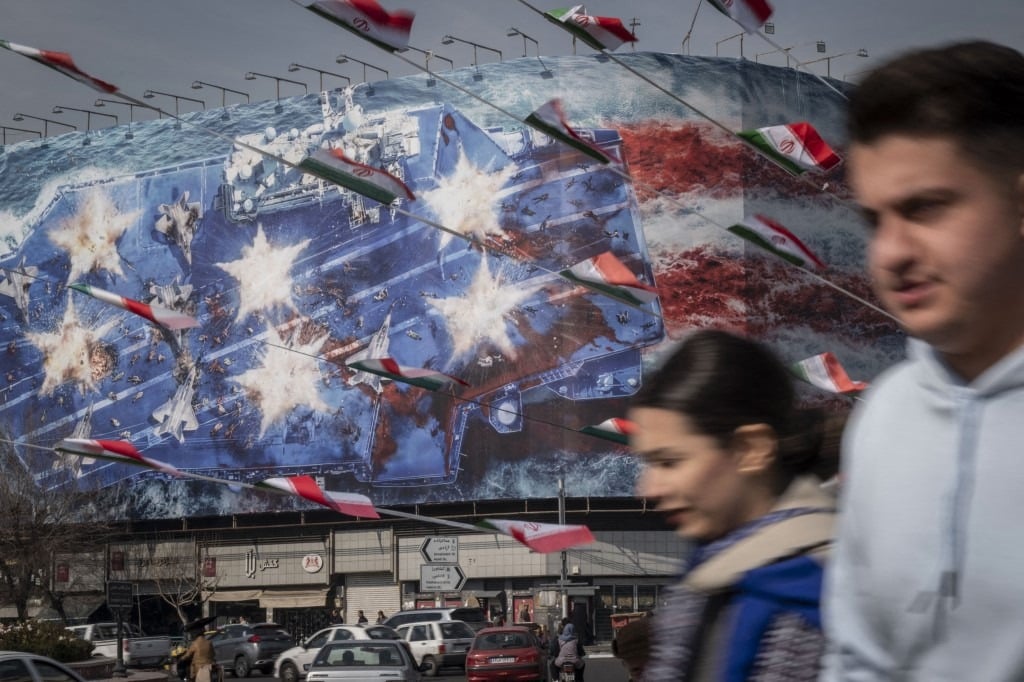
Iran’s chief negotiator has issued a stern warning regarding the United States, asserting that Tehran will not engage in any agreement with Washington unless it wholly guarantees the rights of the Iranian people. Mohammad Bagher Ghalibaf’s statements come amid emerging reports that U.S. President Donald Trump has presented a revised peace proposal that is perceived as more stringent, highlighting the existing divisions between the two parties.
The ongoing negotiations, aimed at formally concluding the Middle Eastern conflict and restoring access to the Strait of Hormuz, have been marked by tension and sporadic violence. The U.S. and Israel’s military actions have already severely impaired Iran’s leadership, complicating discussions about the fate of the country’s nuclear program.
While Tehran insists that its nuclear ambitions are solely for civilian purposes, Washington and its allies remain skeptical, fearing an ulterior motive aimed at developing nuclear weapons. Reports from The New York Times and Axios indicate that Trump’s latest proposal adds further complexity, with specifics yet to be disclosed.
Trump has emphasized that halting Iran’s nuclear weapon development is a primary objective, alongside reopening the vital Hormuz shipping lane, which Iran has effectively blockaded since the onset of the conflict. During an interview, Trump mentioned, “The one guarantee that I have to have is that there will be no nuclear weapons. They’ve agreed to that, and it was very interesting.”
However, Ghalibaf has expressed skepticism about Trump’s claims, asserting that no agreement will be considered until Iran is assured that its rights are upheld. Tasnim news agency reports ongoing exchanges between the two parties, both of which continue to propose amendments to the draft.
Iran’s Foreign Minister Abbas Araghchi has stated that discussions remain speculative until a definitive conclusion is reached, echoing the sentiment of caution surrounding the negotiations. Tehran has also stipulated the necessity of unfreezing $12 billion in assets as a prerequisite for substantial dialogue about its nuclear ambitions.
In military developments, the U.S. aims to dismantle Iran’s ballistic missile program, but satellite imagery analysis shows that Tehran has managed to reopen several missile sites affected by U.S. airstrikes. Despite a ceasefire agreement reached in April, sporadic incidents, such as the downing of a U.S. military drone by Iran, continue to strain relations.
With Trump facing pressure to negotiate a deal that would ease blockades around the critical Strait of Hormuz, conflicting narratives have emerged regarding the terms of any potential agreement. Iranian sources indicate a proposal is forthcoming that would establish Iran’s administrative control over the strait, including possible fees for shipping traffic.
In a related development, Tehran has indicated that any peace resolution must also encompass the situation in Lebanon, where intense clashes are ongoing. Hezbollah has accused Israel of implementing a “scorched-earth policy” against its positions. A ceasefire agreement established in April has failed to hold, resulting in continued hostilities.
Recent Israeli military actions in southern Lebanon have led to casualties, emphasizing the volatile situation. An Israeli strike in the area reportedly claimed multiple lives, prompting the UN Security Council to convene an emergency session to address the escalating conflict following Israel’s recent territorial gains.
This complex web of diplomatic negotiations, military operations, and geopolitical calculations underscores the challenges facing both Iran and the United States as they strive for a resolution to the ongoing conflict, with broader regional implications hanging in the balance.


