




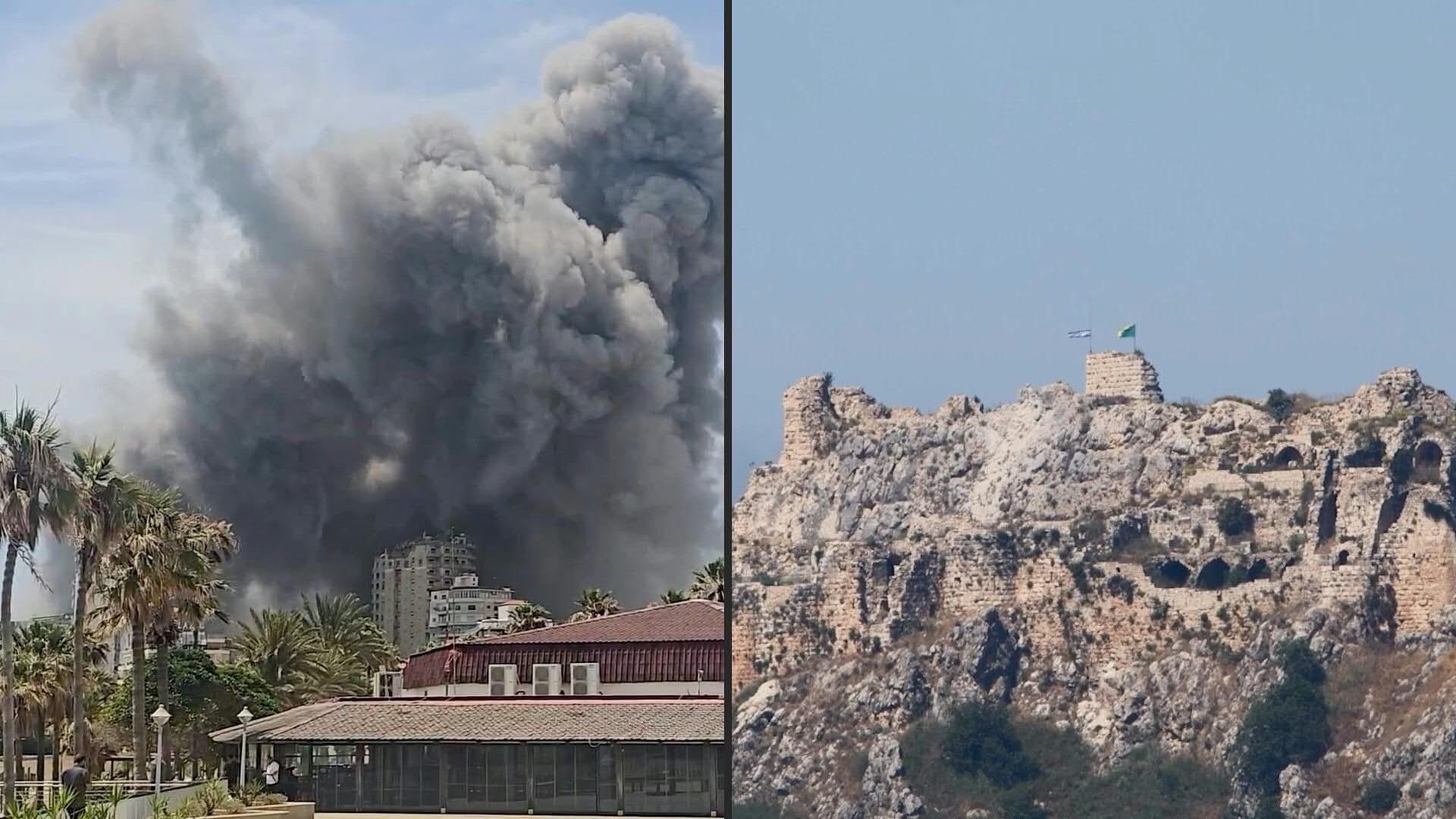
Israeli Prime Minister Benjamin Netanyahu has announced a significant escalation in military operations against Hezbollah, following the Israeli military’s capture of the medieval Beaufort Castle in southern Lebanon. Netanyahu referred to this takeover as a “dramatic shift” in Israel’s strategy against the Iran-backed militant group.
Hezbollah, on the other hand, has responded with its own attacks, targeting Israeli forces near the castle as well as military and infrastructure sites in the northern towns of Shlomi and Nahariya. During these exchanges, air raid sirens were activated in the Acre area of Israel, reflecting the intensifying conflict.
Amid the backdrop of escalating violence, reports indicate that at least eight individuals, including three women, were killed in an Israeli airstrike on Deir Zahrani in southern Lebanon, as confirmed by the Lebanese health ministry. This strike has raised concerns about civilian casualties as fighting continues to flare.
In response to the situation, diplomatic sources state that the United Nations Security Council will convene an emergency meeting to discuss Israel’s expanding offensive in Lebanon. The meeting, requested by France, comes as French President Emmanuel Macron condemned the escalation, asserting that “nothing justifies” the ongoing conflict and advocating for a lasting ceasefire.
The current conflict traces back to March 2, when Hezbollah launched a rocket barrage into Israel in retaliation for the US-Israeli assassination of Iran’s supreme leader. Though a truce was attempted on April 17, both parties have routinely accused each other of violations, further complicating efforts for peace.
Recent security discussions between military delegations from Lebanon and Israel in Washington seek to foster negotiations amidst this turbulent backdrop. Despite ongoing talks, hostility remains prevalent, with Israeli forces utilizing the historic Beaufort Castle—previously a significant military strongpoint during Israel’s two-decade occupation of southern Lebanon ending in 2000—as a base for their renewed offensive.
In a video statement, Netanyahu expressed determination, declaring, “we have returned united, determined and stronger than ever,” and outlined plans to further solidify Israel’s presence in areas previously controlled by Hezbollah. He emphasized the capture of Beaufort as a strategic milestone, motivating Israeli forces to expand their operational foothold.
The aftermath of the conflict has left many civilians displaced, with reports from Sidon revealing widespread fear and destruction. Residents like Zeinab Fakih expressed concerns over returning home due to the extensive damage, while others, like Issa Tfaily from Nabatieh, voiced resilience in their commitment to return when possible.
As part of the military campaign, Israeli forces have issued an evacuation order for regions south of the Zahrani River and north of the Litani River, extending approximately 40 kilometers from the border. Recent strikes have targeted numerous Hezbollah infrastructure sites, particularly in Tyre, with one strike near a hospital reportedly injuring 13 medical staff.
The situation on the ground remains dire, with correspondents observing extensively damaged buildings and rescue operations in Tyre. Thousands of civilians are believed to be sheltering in makeshift accommodations, bracing for further military actions.
Since the conflict’s escalation in early March, the Israeli military has reported 25 casualties among its troops, marking a significant toll in this ongoing conflict. Meanwhile, Lebanon’s health ministry estimates over 3,400 fatalities attributed to Israeli attacks, underscoring the severe humanitarian crisis resulting from the warfare.


