




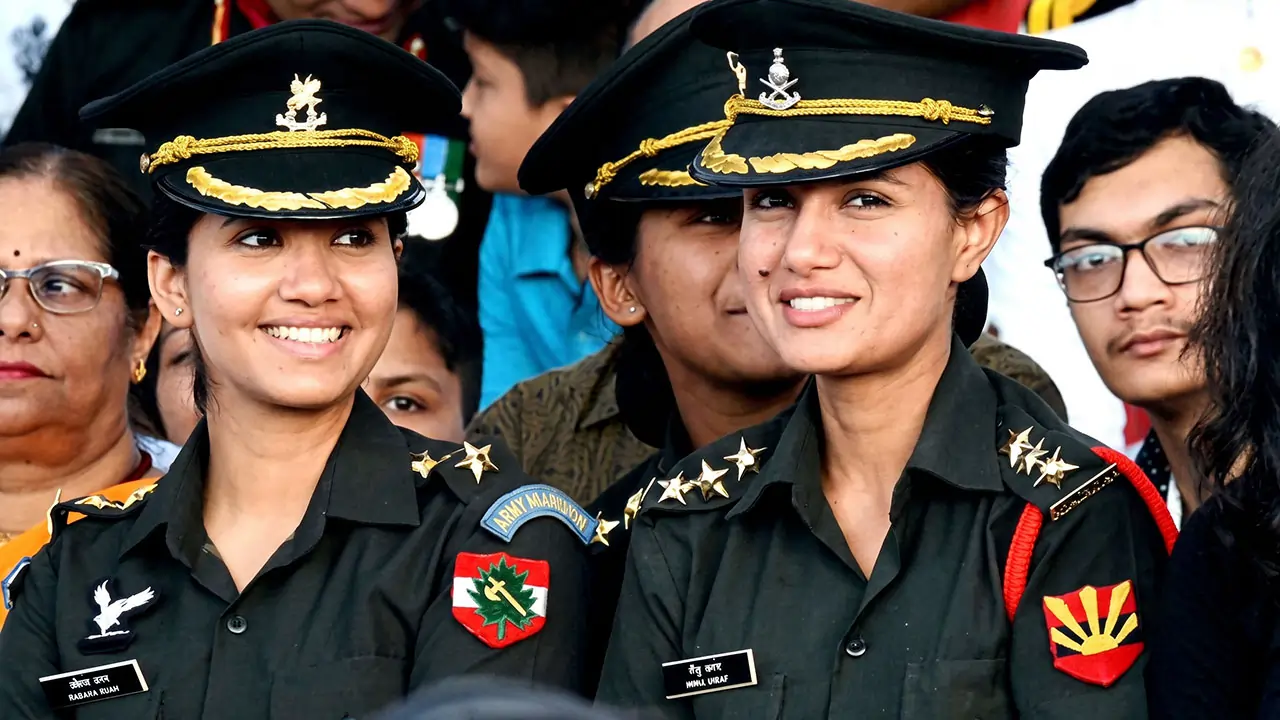
In a groundbreaking initiative reflecting advancements in gender inclusion within veteran welfare administration, the Punjab government is poised to appoint retired women officers from the Indian Armed Forces as Defence Services Welfare Officers. This decision marks a historic first for the state’s Defence Services Welfare Department, which has been in existence for 52 years, and positions Punjab as a leader in this progressive move.
The Punjab Public Service Commission (PPSC) has shortlisted four women officers who hold the rank of Lieutenant Colonel after subjecting them to a rigorous written examination and interview process. Appointment letters for these positions are anticipated to be issued soon, according to sources familiar with the matter.
This appointment initiative follows recent amendments to the recruitment rules within the department, now allowing former Short Service Commission (SSC) officers who have achieved the rank of Lieutenant Colonel or above to apply for the roles. This revision facilitates earlier entry into the department for these officers, enabling them to contribute for a longer duration.
SSC officers in the Armed Forces serve up to 14 years, typically achieving the rank of Lieutenant Colonel after approximately 11 years of service, generally around the age of 40 upon completion of their term. This contrasts with officers on a Permanent Commission, who serve significantly longer, with retirement age varying by service and rank, often extending into their mid-50s.
The induction of women into non-medical branches of the Indian Armed Forces began in 1992 through the Short Service Commission. Historically, opportunities for women were largely confined to the medical, dental, and nursing services, where Permanent Commission was available. Over the last few decades, women officers have increasingly gained access to a broader array of branches across the Army, Navy, and Air Force, now qualifying for Permanent Commission across various streams thanks to landmark policy changes and judicial rulings.
In terms of structure, the Defence Services Welfare Department is led by a Director ranked as Brigadier or equivalent, with a sanctioned strength of 25 officers of Colonel or Lieutenant Colonel rank. Each district is assigned one officer, with three more stationed at headquarters in Chandigarh. Presently, the department operates with only four officers besides the Director, handling both headquarters operations and oversight of district-level offices throughout the state. The ongoing recruitment drive aims to fill this staffing gap, with plans to onboard approximately 12 additional officers in the near future.
The role of Defence Services Welfare Officers is crucial as they provide essential support to ex-servicemen, war widows, serving personnel, and their dependents. Their responsibilities include assisting with pension issues, resettlement and employment opportunities, facilitating access to medical services under the Ex-Servicemen Contributory Health Scheme (ECHS), offering educational concessions for dependents, and addressing grievances. Given the significant veteran population and defense families in Punjab, effective operation of district-level offices is paramount.
The current recruitment is being conducted under the Punjab Defence Services Welfare (Group ‘A’) Service Rules, with specific reservation policies applicable to state departments. Notably, posts designated for Scheduled Castes, Scheduled Tribes, and other reserved categories cannot be filled by general category candidates, differentiating Punjab’s approach from other states where unfilled reserved vacancies may be absorbed into the general pool.
The four women officers selected belong to the general category pool and have been chosen based on merit through the PPSC process. Their inclusion is expected to infuse valuable military experience, leadership skills, and operational insight into the welfare framework.
Officials and observers have characterized this initiative as both a functional necessity and a symbolic advancement towards enhancing the presence of women veterans in governance and public service. By welcoming retired women officers from the Short Service Commission into these positions, the Punjab government is not only addressing existing manpower shortages but also paving the way for these experienced officers to continue their contributions to society in significant administrative roles.
As appointment orders for the shortlisted officers are awaited, their subsequent responsibilities will play a vital role in enhancing the department’s capacity to provide welfare services across Punjab’s districts. This move reflects Punjab’s evolving strategy to leverage the expertise of its defense community, including its women officers, in service to veterans and their families.


