




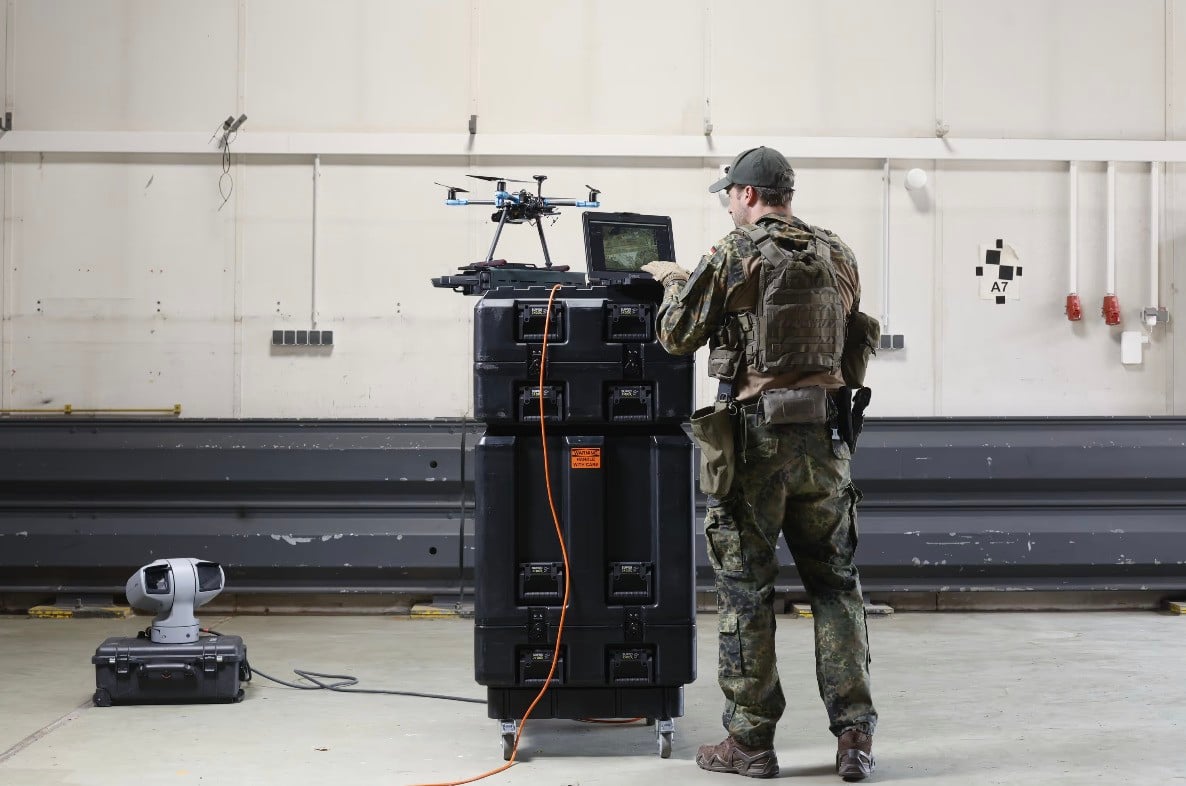
A European company, Project Q, is making strides in the defense sector with the introduction of its innovative Hydris system. This advanced platform aims to seamlessly integrate various military components, including sensors, drones, command-and-control (C2) systems, and effectors, into a cohesive operational architecture.
One of the standout features of the Hydris system is its incorporation of artificial intelligence, which plays a crucial role in prioritizing critical information. This capability ensures that military personnel can efficiently coordinate both crewed and uncrewed assets, enhancing the fluidity and effectiveness of C2 networks and mission execution.
The Hydris system is designed with a Modular Open Systems Architecture (MOSA). This design philosophy allows military organizations to expand their operational capabilities by adding new functionalities without the need for a complete redesign of existing systems. This flexibility is particularly important in modern military operations, where rapid advancements in technology require quick adaptability.
By creating this “digital glue” among various military resources, Project Q is positioning itself as a key player in the future of defense technology, paving the way for enhanced operational efficiency and responsiveness in complex mission scenarios.


