




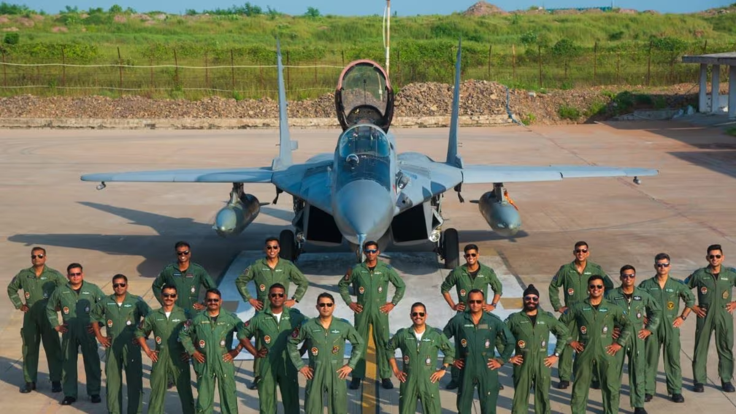
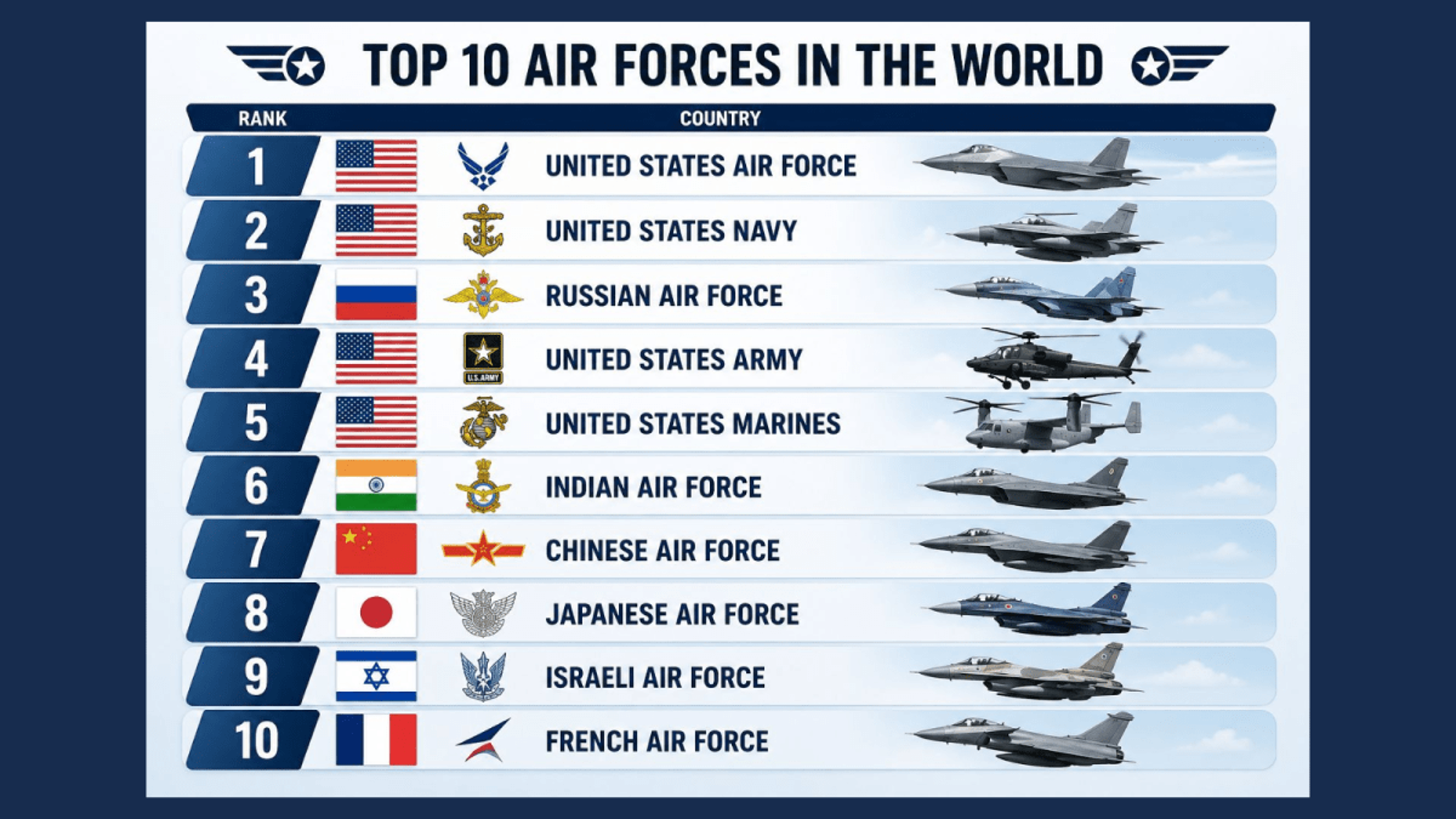
The Indian Air Force (IAF) has once again demonstrated its growing global stature by securing the position of the world’s third most powerful independent air force in the 2026 Global Air Power Rankings released by the World Directory of Modern Military Aircraft (WDMMA). This marks the fifth consecutive year that the IAF has maintained its third-place ranking among the world’s independent air forces, remaining ahead of China’s People’s Liberation Army Air Force (PLAAF).
Indian Air Force Ranked World’s Third Most Powerful Air Force
Global Recognition for the Indian Air Force
The WDMMA rankings evaluate air forces across the world using the TrueValue Rating (TvR) system, which measures overall combat capability rather than simply counting the number of aircraft. The assessment considers factors such as fleet quality, technological sophistication, modernization, logistics, pilot training, operational readiness, survivability, and force projection capabilities.
Despite operating a smaller fleet than China, the Indian Air Force continues to achieve a higher ranking because of its balanced force structure, advanced combat aircraft, effective operational planning, and continuous modernization efforts.
Why the IAF Ranked Ahead of China
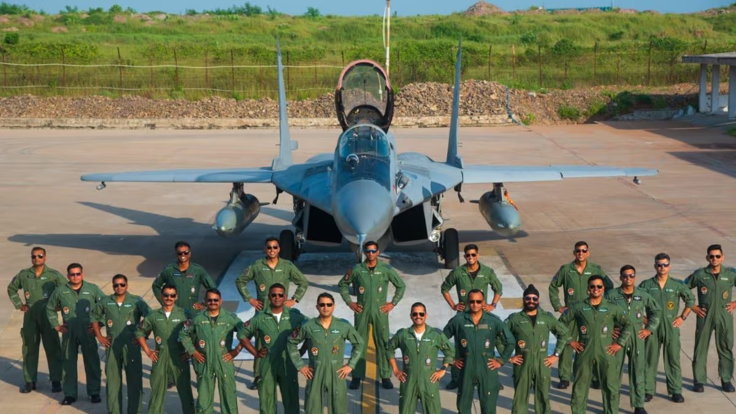
China possesses one of the world’s largest military aviation fleets, but the WDMMA ranking places greater emphasis on capability rather than numerical strength. The Indian Air Force benefits from a diverse mix of modern fighter aircraft, strategic transport platforms, airborne early warning systems, force multipliers, and highly trained personnel.
The ranking reflects India’s investment in advanced platforms such as the Rafale, Su-30MKI, Mirage 2000, Tejas, C-17 Globemaster III, C-130J Super Hercules, Apache and Chinook helicopters, supported by indigenous technologies and network-centric warfare capabilities. Planned acquisitions and future inductions are also expected to strengthen the IAF’s combat potential further.
Modernisation Driving Future Growth
The Indian Air Force is undergoing a comprehensive modernization programme to enhance its operational capabilities. Key initiatives include the induction of additional LCA Tejas Mk-1A fighters, development of the Advanced Medium Combat Aircraft (AMCA), expansion of indigenous missile systems, and integration of advanced surveillance and air defence technologies.
These efforts are aimed at maintaining air superiority, improving strategic reach, and addressing future security challenges in an increasingly complex geopolitical environment.
Significance of the Ranking
The consistent placement of the Indian Air Force among the world’s leading air forces reflects India’s growing defence capability and technological progress. It also highlights the success of indigenous defence manufacturing under the Atmanirbhar Bharat initiative and the country’s emphasis on self-reliance in military aviation.
For the fifth consecutive year, the IAF’s position ahead of the PLAAF underscores its strong operational effectiveness despite having a comparatively smaller fleet. The ranking demonstrates that combat capability, technological readiness, and force integration are more important than aircraft numbers alone.
Conclusion
The 2026 WDMMA Global Air Power Rankings reaffirm the Indian Air Force’s status as one of the world’s premier air forces. By retaining the third position among independent air forces and staying ahead of China for the fifth consecutive year, the IAF has showcased its professionalism, modernization, and operational excellence. As India continues to invest in next-generation aircraft and indigenous defence technologies, the Air Force is expected to further strengthen its position as a key pillar of national security and regional stability.


