




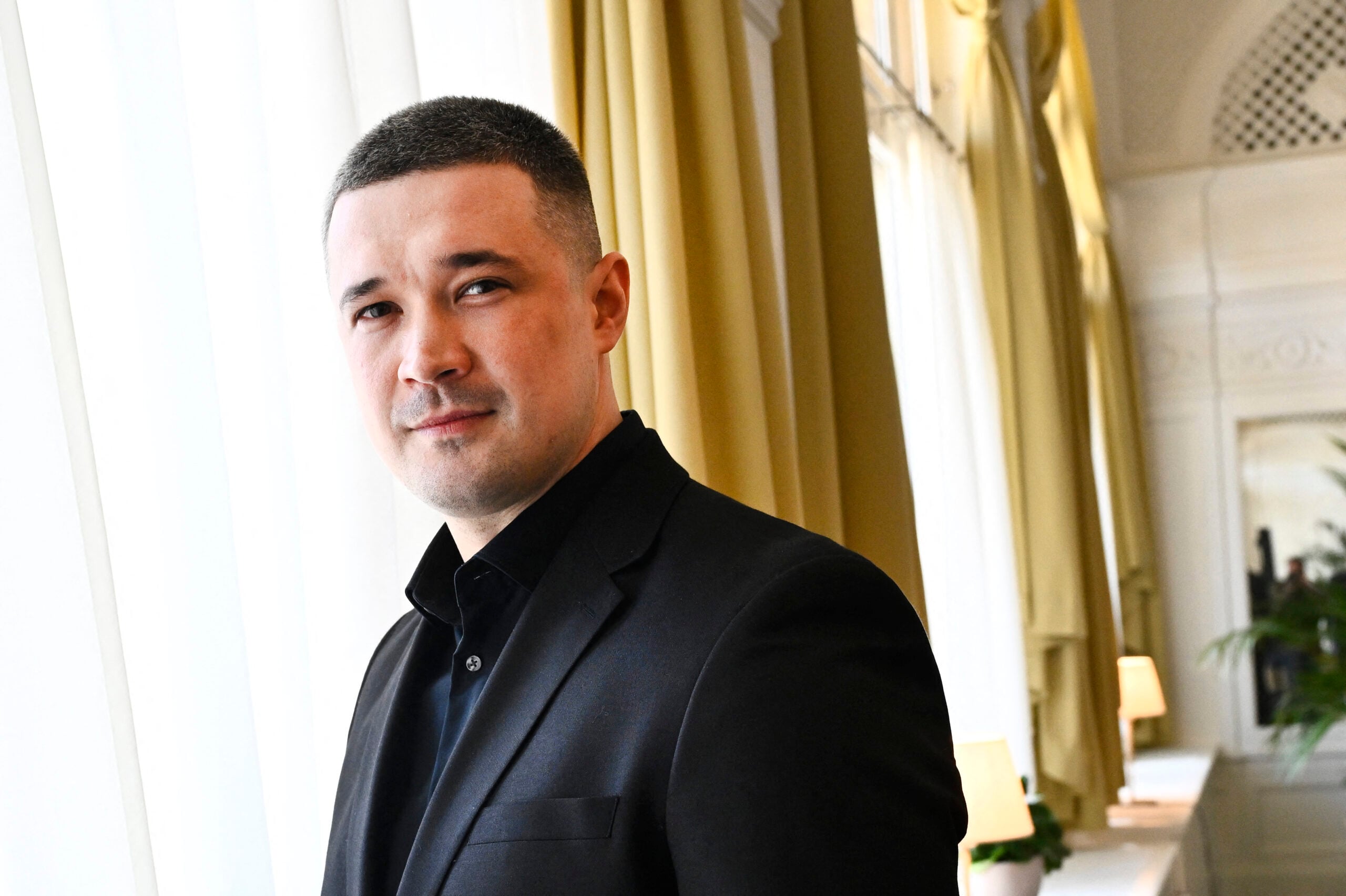
Ukraine’s political landscape has been rocked following the unexpected ousting of former Defense Minister Mykhailo Fedorov, a move that has sparked widespread protests and led to the removal of the country’s commander-in-chief. In a defiant response, Fedorov announced on Thursday that he would decline any offers from President Volodymyr Zelensky for a new role, insisting that he would only accept a return to his former position.
Fedorov, a prominent reformist, emphasized his commitment to combating “corruption,” eliminating “a culture of lies,” and continuing the transformation of Ukraine’s military—priorities that he believes demand the authority associated with the defense minister’s office. “I will not accept any position other than Minister of Defense,” he stated, highlighting the critical nature of the role in addressing procurement corruption and military reform.
The firing came as a shock to many, plunging Kyiv into its most significant political crisis since Russia’s invasion in 2022. Following Fedorov’s dismissal, thousands of young Ukrainians took to the streets to voice their dissent, urging for his reinstatement. His termination also triggered policy shifts, with Zelensky promptly dismissing the commander-in-chief Oleksandr Syrsky, replacing him with another reform-minded ally, Mykhailo Drapaty.
Despite these changes, Zelensky has named a new acting defense minister but has not reverted to Fedorov’s previous position. This decision amplifies tensions within the government and military, as Fedorov’s removal followed months of conflict with army leadership over modernization efforts that some reportedly resisted.
Fedorov, who is only 35, was appointed in January with a mandate aimed at modernizing and digitalizing Ukraine’s military infrastructure. He gained recognition for his advocacy of drone technology at a time when it was still emerging as a crucial component of the ongoing conflict. His criticisms of the military’s traditional methods, which he deemed outdated and neglectful of soldier welfare, have resonated strongly among both the public and military personnel, particularly in light of the staggering casualty toll that has marked the war, now described as Europe’s most deadly conflict since World War II.
Amid the unrest, Fedorov hints at the need for substantial reforms to address the issues of corruption, equipment shortages, and the overall treatment of service members, all areas that have faced scrutiny during the ongoing war effort. With calls for renewed protests gaining momentum, the political repercussions of Fedorov’s dismissal and the administration’s current handling of military reforms remain to be seen.


