




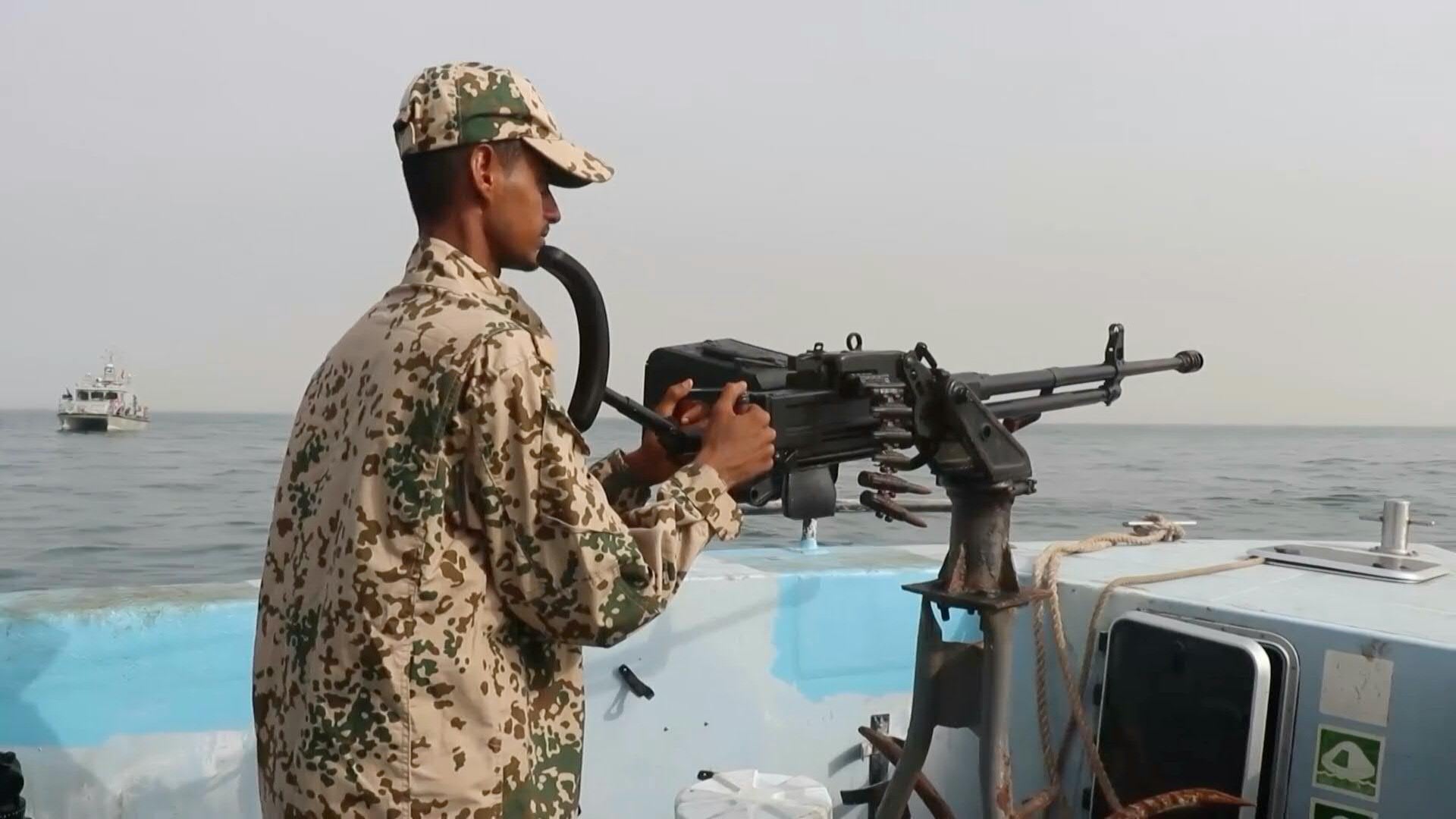
Yemen’s internationally recognized government has expressed readiness to confront escalating tensions with Houthi rebels following a series of drone strikes and a maritime blockade targeting Saudi Arabia. This uptick in hostilities has raised concerns about the potential destabilization of the already volatile Arabian Peninsula.
During a press briefing in Riyadh, Yemen’s foreign minister designate, Afrah al-Zouba, emphasized the government’s preparedness for further escalations. “At the end of the day, we are prepared for any escalations,” she stated, reflecting the gravity of the situation.
The recent unrest was catalyzed by the Houthis’ announcement of renewed drone strikes aimed at Saudi oil infrastructure, which they claimed were retaliatory actions against drone incursions by Saudi Arabia. Al-Zouba pointed out that these actions suggest the Tehran-backed rebels may be emulating Iranian tactics in the Strait of Hormuz, intending to exert similar control over the Bab al-Mandeb Strait. This strategic waterway is vital for exporting Saudi oil to the global market, especially as movements through Hormuz have been increasingly compromised by ongoing conflicts.
In their latest moves, the Houthis have implemented a maritime blockade on Saudi Arabia, asserting their involvement in attacks targeting Saudi tankers and oil facilities. “The Houthis want to copy the Iran experience in Hormuz,” al-Zouba remarked, indicating her belief that the rebels are aligned with Iranian strategies, while expressing concerns that the Houthis aim to seize control over the Red Sea.
The conflict within Yemen continues to see daily skirmishes, with Houthi forces clashing with government troops in various regions. Since the outbreak of the civil war in 2015, a Saudi-led military coalition has supported the internationally recognized government against the insurgent group.
This recent escalation signifies a critical juncture, threatening a fragile truce that had held since 2022, as both sides engage in direct confrontations for the first time in years. As the situation unfolds, the implications for regional stability remain profound, with fears that renewed conflict could further entrench the existing divides within the Arabian Peninsula.


