




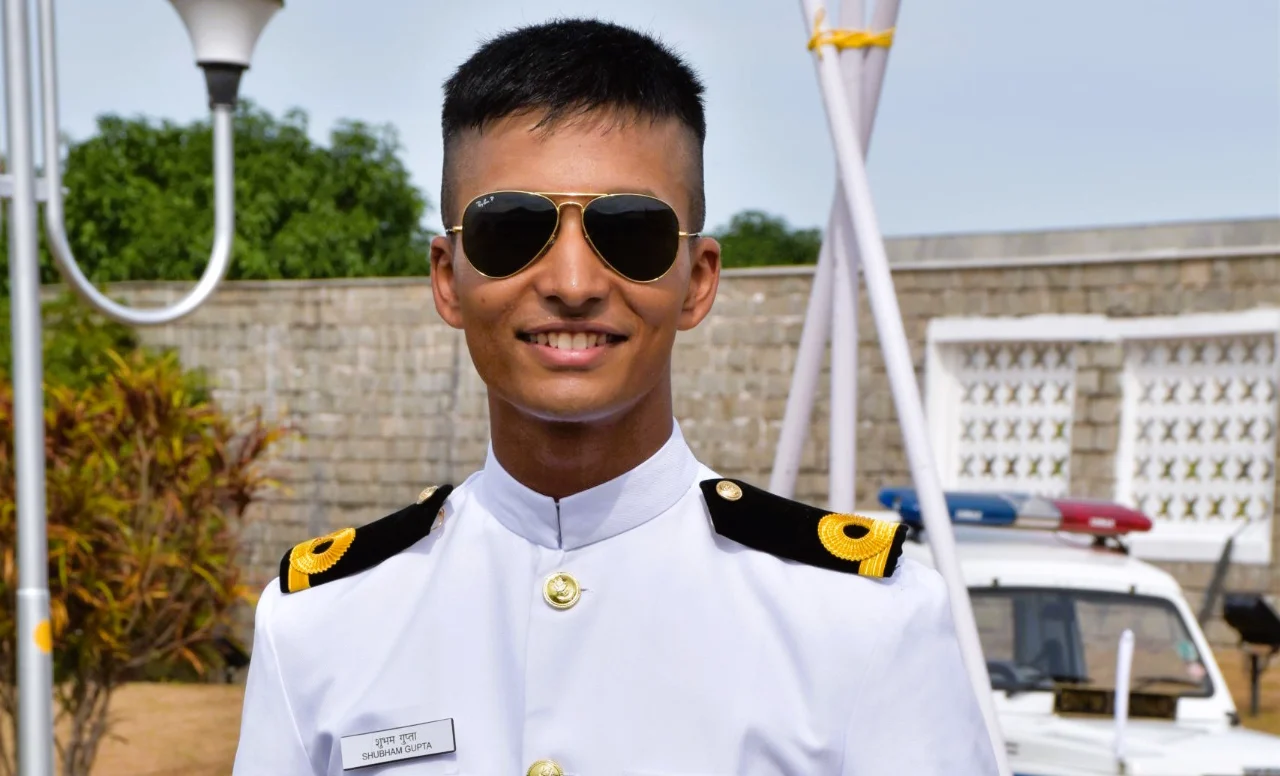
Joining the Indian Navy as a commissioned officer represents a blend of leadership, technical expertise, and national service, presenting a unique career pathway. Officers can serve in diverse branches such as Executive, Engineering, Electrical, Education, Logistics, and specialized fields including Pilot and Naval Architecture. Following a challenging training curriculum at the Indian Naval Academy (INA) in Ezhimala, officers begin their journey as Sub-Lieutenants, and have opportunities for both permanent and short-service commissions.
To initiate this esteemed career, the Indian Navy primarily recruits through examinations conducted by the Union Public Service Commission (UPSC) and through direct Navy entries as outlined on joinindiannavy.gov.in. The selection process typically incorporates an interview at the Services Selection Board (SSB), a medical examination, and ranking based on merit. Significantly, opportunities have expanded for women candidates who can now explore various avenues within the Navy.
Outlined below are five established pathways to commission as an officer, organized by educational accessibility, commission type, and popularity among applicants:
1. National Defence Academy (NDA) Entry
This entry route is ideal for students completing their 10+2 education who are looking to secure a permanent commission early in their careers.
Eligibility:
Unmarried male and female candidates aged between 16½ to 19½ years, having completed 10+2 with Physics, Chemistry, and Mathematics.
Selection Process:
Conducted by UPSC twice annually, the NDA exam includes a written exam followed by a five-day SSB interview. Final merit is determined by combining written and SSB scores.
Training:
Cadets train for three years at the NDA in Khadakwasla before one year of specialized naval training at INA. Post-training, they earn a B.Tech and are commissioned as Sub-Lieutenants.
This route is highly competitive but offers an early start and a comprehensive military foundation.
2. 10+2 (B.Tech) Cadet Entry Scheme
This is a fantastic option for students excelling in JEE Main who wish to pursue an engineering degree while training for naval service.
Eligibility:
Unmarried candidates, typically aged 16.5–19.5 years, who have completed 10+2 with a minimum of 70% in Physics, Chemistry, and Mathematics and have appeared in JEE (Main).
Selection Process:
Candidates are shortlisted based on JEE rankings, followed by an SSB interview and medical examination.
Training:
This involves a four-year B.Tech program at INA. Cadets are commissioned directly into the Executive or Technical branches.
The program seamlessly integrates education and military training, making it a sought-after path.
3. Combined Defence Services (CDS) Examination
The CDS examination is a well-established route for engineering graduates seeking a permanent commission.
Eligibility:
Primarily for unmarried male candidates aged 19 to 24 years with an engineering degree.
Selection Process:
Conducted by UPSC twice a year, candidates take exams in English, General Knowledge, and Elementary Mathematics followed by an SSB interview.
Training:
Successful candidates complete about one year of training at INA before being commissioned.
This pathway appeals to those who might have previously missed earlier entry opportunities.
4. Short Service Commission (SSC) Direct Entries
This flexible option covers the widest range of vacancies and is actively recruiting across branches.
Eligibility:
Unmarried men and women aged 19½–25 years, varying by branch. Engineering graduates typically need at least 60%.
Selection Process:
Applications are invited periodically, with selection based on academic performance followed by SSB interviews.
Training:
Training duration ranges between 22 weeks to one year, depending on the branch, leading to a Short Service Commission.
The SSC is notable for its diverse roles and straightforward entry requirements.
5. University Entry Scheme (UES)
The UES is tailored for engineering students in their pre-final or final years.
Eligibility:
Unmarried candidates, primarily men, aged 19–24 years, currently studying in relevant engineering disciplines with a minimum of 60% aggregate marks.
Selection Process:
Campus interviews or direct applications lead to shortlisting based on academic performance, followed by SSB and medical examinations.
Training:
This entry offers a shorter training window, usually around six months to one year, leading to a Short Service Commission.
The UES offers a pathway for students to secure their careers in the Navy while completing their degree.
Common Elements Across All Entries
Irrespective of the entry point, candidates must undergo a rigorous SSB interview process, which evaluates Officer-Like Qualities (OLQs), alongside meeting specific medical standards.
Career Progression and Benefits
Newly commissioned Sub-Lieutenants begin at Pay Level 10 with a substantial starting salary supplemented by various allowances. The career trajectory includes various promotions, specialized courses, and international postings.
For prospective candidates, keeping abreast of notifications on joinindiannavy.gov.in and upsc.gov.in is crucial. Maintaining high academic standards, physical fitness, and preparing for the SSB process significantly enhances chances of selection.
Joining the Indian Navy is a challenging yet fulfilling journey, interweaving professional excellence with national pride at sea. Whether opting for NDA, 10+2 B.Tech, CDS, SSC, or UES, thorough preparatory measures can pave the way for a successful naval career.


