




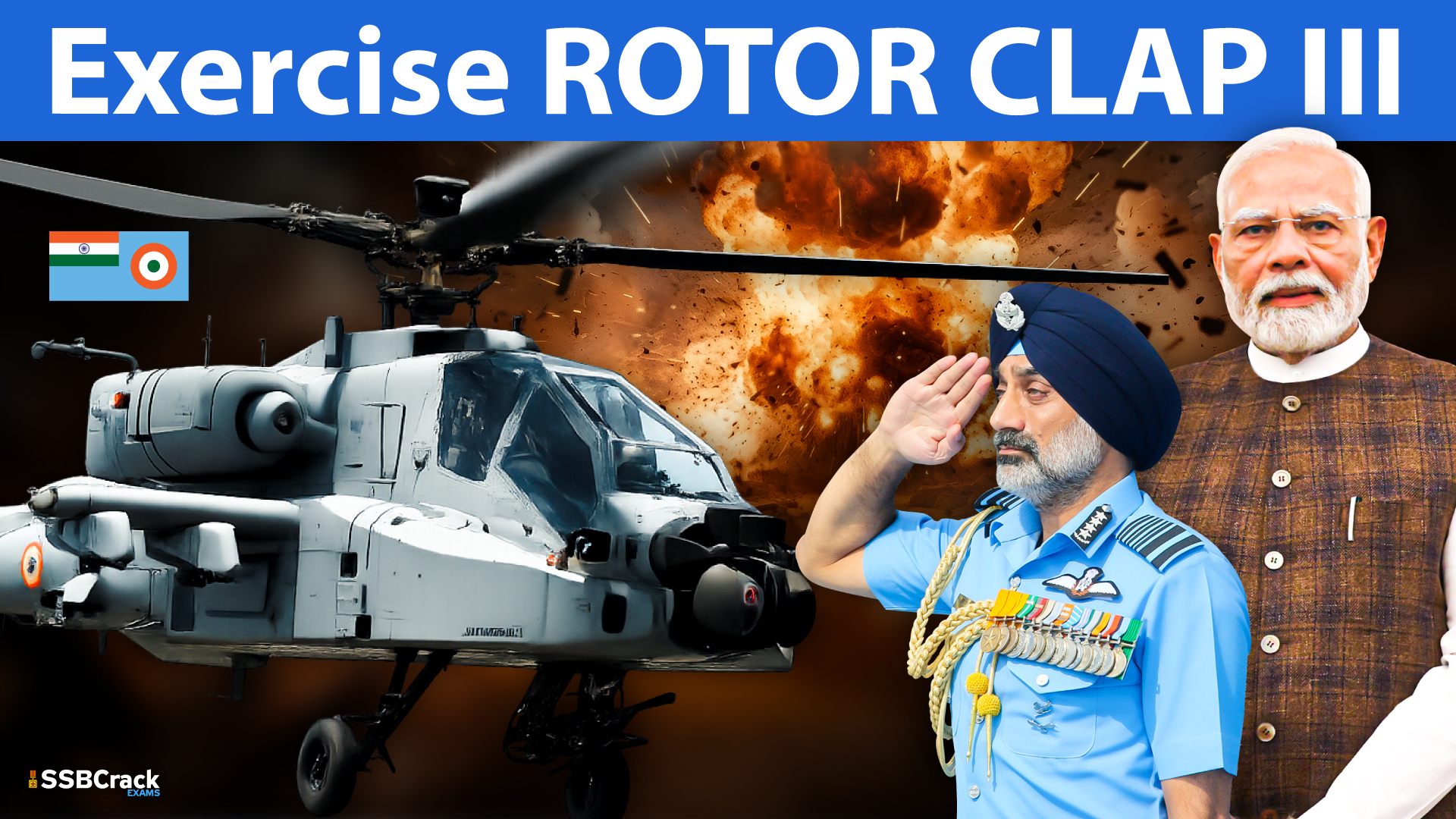
The Indian Air Force (IAF) successfully concluded Exercise ROTOR CLAP III at the Pokhran Field Firing Range in Jaisalmer, Rajasthan, on 1–2 August 2026.
Exercise ROTOR CLAP III 2026
The Indian Air Force (IAF) successfully concluded Exercise ROTOR CLAP III at the Pokhran Field Firing Range in Jaisalmer, Rajasthan, on 1–2 August 2026. The exercise was designed to enhance the operational capabilities of the IAF in tackling the growing threat posed by Unmanned Aerial Systems (UAS). Bringing together several helicopter units, the exercise focused on improving coordination, precision engagement, and rapid response against hostile drones.
Background
Exercise ROTOR CLAP III is the third edition of a specialised rotary-wing military exercise aimed at strengthening helicopter-based counter-drone operations. With drones increasingly being used for surveillance, reconnaissance, and offensive missions, the Indian Air Force is continuously upgrading its tactics and operational readiness to effectively counter these emerging aerial threats.
Key Highlights
- Conducted at the Pokhran Field Firing Range in Rajasthan.
- Held on 1–2 August 2026.
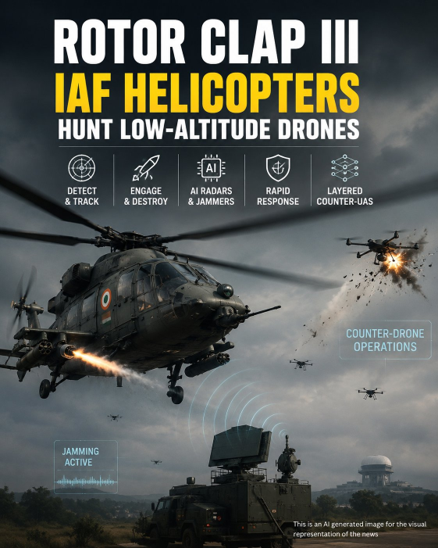
- Focused on Counter-Unmanned Aerial Systems (Counter-UAS) operations.
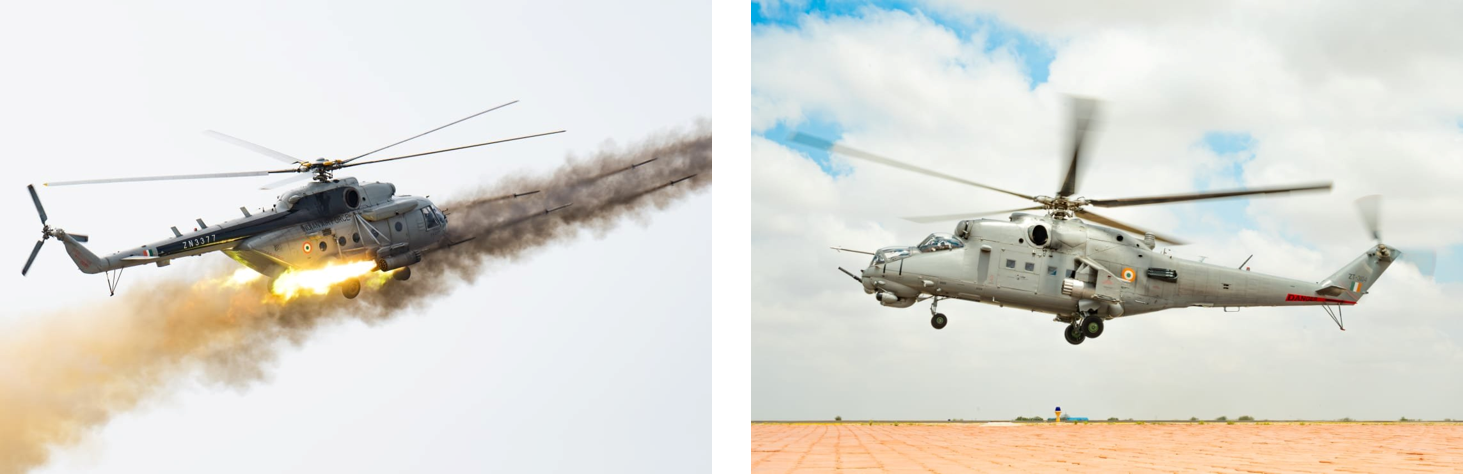
- Included live firing of missiles and rockets to validate combat capabilities.
- Evaluated helicopter-based tactics for detecting, tracking, and neutralising drone threats.
- Improved coordination among different helicopter units during complex battlefield scenarios.
Participating Helicopter Platforms
The exercise featured a wide range of helicopters serving different operational roles, including:
- AH-64 Apache attack helicopters
- Mi-25/35 attack gunships
- HAL Prachand Light Combat Helicopters
- CH-47F(I) Chinook heavy-lift helicopters
- Mi-17 medium-lift helicopters
- HAL Dhruv (ALH) Advanced Light Helicopters
These platforms demonstrated capabilities in combat support, troop transport, logistics, surveillance, and precision strike missions.
Importance of Counter-UAS Operations
Counter-Unmanned Aerial Systems (Counter-UAS) involve technologies and operational procedures used to detect, identify, track, and neutralise hostile drones. As unmanned aerial vehicles become a major component of modern warfare, strengthening counter-drone capabilities has become a priority for armed forces worldwide. Exercises such as ROTOR CLAP III help validate operational concepts, improve battlefield coordination, and prepare forces to respond effectively to evolving aerial threats.
Significance
Exercise ROTOR CLAP III highlights the Indian Air Force’s commitment to enhancing its combat readiness and adapting to modern warfare challenges. By integrating advanced helicopter platforms with specialised counter-drone tactics, the exercise strengthens India’s air defence capabilities and improves the effectiveness of rotary-wing operations in future conflicts.
Key Facts for Exams
- Exercise: ROTOR CLAP III
- Conducted By: Indian Air Force (IAF)
- Venue: Pokhran Field Firing Range, Jaisalmer, Rajasthan
- Dates: 1–2 August 2026
- Theme: Counter-Unmanned Aerial Systems (Counter-UAS)
- Major Helicopters: AH-64 Apache, Mi-25/35, HAL Prachand, Chinook, Mi-17, HAL Dhruv
- Objective: Enhance helicopter-based capabilities to detect, track, and neutralise drone threats.


