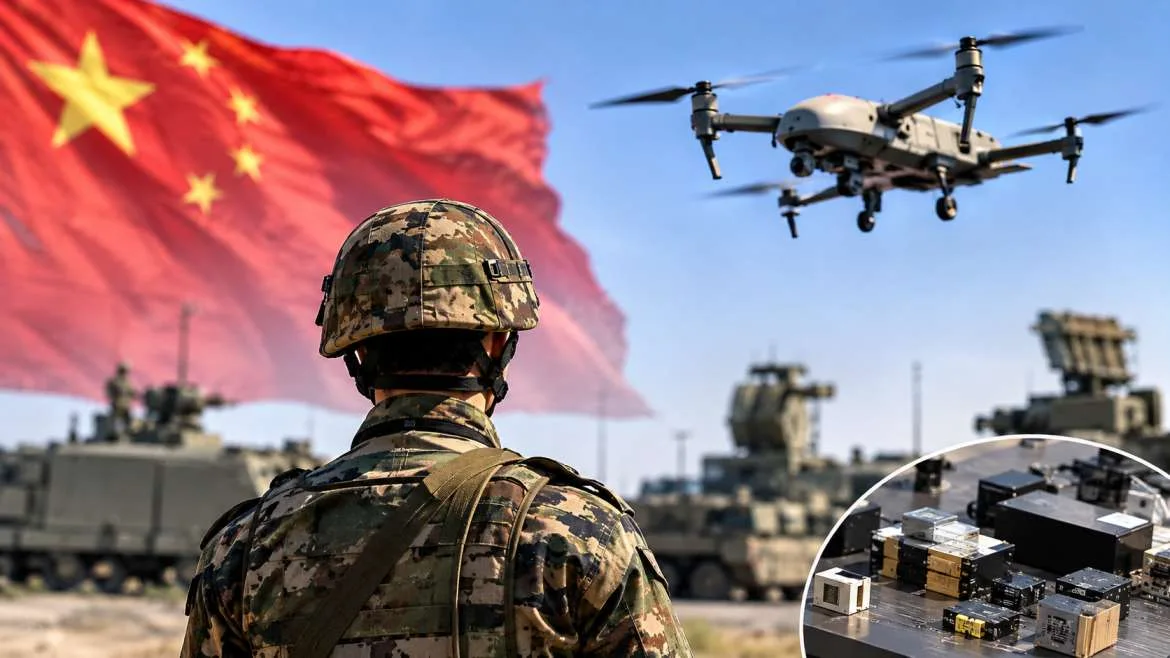
India’s drone industry has urged defence officials to scrutinise the origin of components in equipment bought through government tenders. The Drone Federation India (DFI) says it identified 689 Government e-Marketplace (GeM) tenders over nearly six years that specified Chinese-origin drones or components, raising concerns about possible security and supply-chain risks.
In a representation submitted on Friday to Defence Secretary Rajesh Kumar Singh and Chief of Defence Staff General N S Subramani, DFI highlighted tenders issued by military units, security forces and government agencies. The federation represents India’s drone and counter-drone ecosystem and has more than 1,000 firms as members.
DFI said it reviewed GeM tenders published between March 10, 2021, and November 19, 2026. It reported that 84 per cent of the 689 tenders came from the Indian Army, including 580 raised by Army units seeking Chinese-origin drones or components.
The federation also reported an increase in the number of such tenders in 2026: 355 were issued between January and November 19, compared with 190 during all of 2025. DFI shared the figures in a series of posts on X on Friday.
Brands cited by the industry body
DFI named 16 brands that it said featured prominently in the tenders: DJI, RadioMaster, SpeedyBee, HGLRC, GEPRC, Skydroid, T-Motor, EMAX, RumCam, Caddx, Hobbywing, Holybro, Foxeer, iFlight, FlySky and SIYI.
According to the federation, DJI and RadioMaster appeared in 450 of the 689 tenders it reviewed. DFI argued that specifying components from Chinese manufacturers could introduce supply-chain and security risks into equipment intended for military use.
The industry body has called for a policy excluding Chinese components from drones and related equipment procured by the Indian Armed Forces. It has also sought preference for Indian-made components in defence purchases and wants every bidder to declare the country of origin of the products and components offered.
Officials describe the GeM process
Defence officials told The Times of India that GeM is a procurement platform connecting buyers and sellers. They said buyers, including Army units, may set technical requirements but cannot independently choose a particular seller or brand.
According to the officials, sellers submit products against the buyer’s specifications. For higher-value purchases, GeM also conducts a reverse auction among sellers, a process they said is intended to promote transparency and competitive pricing.
The officials said GeM does not allow buyers to favour a particular brand or product during procurement. They added that the Army maintains checks and balances to ensure purchases meet the prescribed specifications, and that sellers found misrepresenting the use of Chinese components could face blacklisting by the Army.
Component origin and security scrutiny
DFI’s representation focuses on the origin of the hardware and components supplied through procurement, alongside the technical capabilities specified by military users. Its request for mandatory country-of-origin declarations is intended to make the components used in drones and related systems more transparent.
The federation’s call to favour Indian components also reflects the domestic industry’s push to strengthen indigenous manufacturing and reduce dependence on foreign supply chains. The concerns it has raised, together with the officials’ account of the GeM process, put the focus on how procurement specifications, vendor declarations and verification can address operational requirements and security considerations as the Armed Forces expand their use of unmanned systems.