Attacks by Sudan’s military and the paramilitary Rapid Support Forces (RSF) in the western Darfur region have escalated dramatically over the past week, resulting in the deaths of at least 114 individuals, according to medical sources. The ongoing conflict, which has persisted since April 2023, has been marked by fierce confrontations between the army and the RSF, leading to widespread devastation and humanitarian crises.
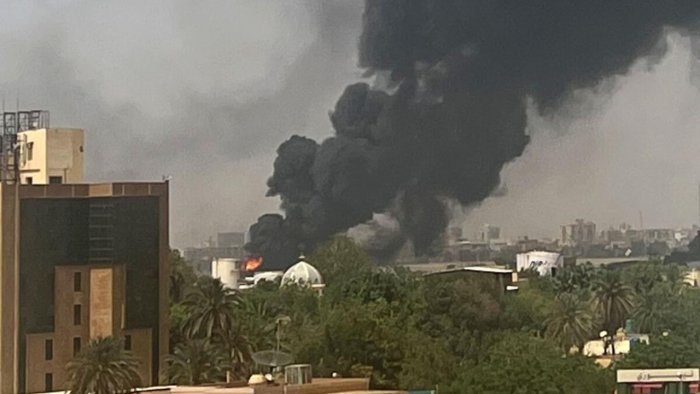
The RSF recently captured the army’s last stronghold in Darfur, subsequently advancing westward toward the Chadian border and eastward into the Kordofan region. This escalation culminated in drone strikes on El-Obeid, the capital of North Kordofan, leading to a citywide blackout and drawing significant attention to the conflict’s impact on civilian life.
Medical reports indicate that drone strikes attributed to the military targeted the town of Al-Zuruq in North Darfur, resulting in 51 fatalities. The strikes hit a market and residential areas, exacerbating the plight of civilians. Among the deceased were two relatives of RSF commander Mohamed Hamdan Daglo, highlighting the personal and political stakes involved in the conflict.
In addition to the violence in Al-Zuruq, the RSF has carried out attacks around the town of Kernoi, claiming another 63 lives and leaving dozens injured, with local sources reporting 17 individuals still unaccounted for. The systematic targeting of civilian areas by both the RSF and the army has drawn condemnation, with the United Nations describing the situation as a “war of atrocities.”
The humanitarian situation in Darfur remains dire. A recent UN report indicated that over 7,000 individuals were displaced within a mere two days from Kernoi and the village of Um Baru, with many being from the Zaghawa ethnic group, which has historically faced violence from the RSF. This community has reportedly allied with the army, further complicating the conflict dynamics.
Communications in the region remain severely restricted, as years of conflict have left many areas inaccessible to journalists and aid workers. Local volunteers and medical personnel are forced to rely on satellite internet to relay information about the ongoing violence and humanitarian needs to the outside world.
Historically, the region has witnessed severe ethnic violence, echoing the atrocities of the early 2000s involving the Janjaweed, the RSF’s predecessor. The current conflict has already resulted in tens of thousands of deaths and millions displaced, with most of the fiercest clashes occurring in Darfur and the oil-rich Kordofan region, which links the conflict to the capital, Khartoum.
Recent drone strikes on El-Obeid not only caused physical destruction but also disrupted electricity supplies, prompting urgent concerns regarding infrastructure and access to essential services. The national electricity company confirmed that the strikes led to significant damage to the power station, compounding the challenges faced by residents in the area.
As the RSF continues its push for territorial gains, the humanitarian implications grow increasingly severe. Reports indicate that hundreds of thousands of people are on the brink of starvation as the war progresses, with the overall displacement tally exceeding 11 million. Many families have fled to under-resourced regions lacking essentials such as food, medicine, and clean water.
The situation remains fluid, with military and paramilitary skirmishes intensifying and the humanitarian crisis deepening further with each passing day.