Belgium has embarked on a significant defense innovation initiative aimed at revitalizing its military capabilities in anticipation of future conflicts. Defense Minister Theo Francken has highlighted the pressing need for this overhaul, indicating that Belgium, alongside much of Europe, is ill-prepared for the challenges posed by next-generation warfare.
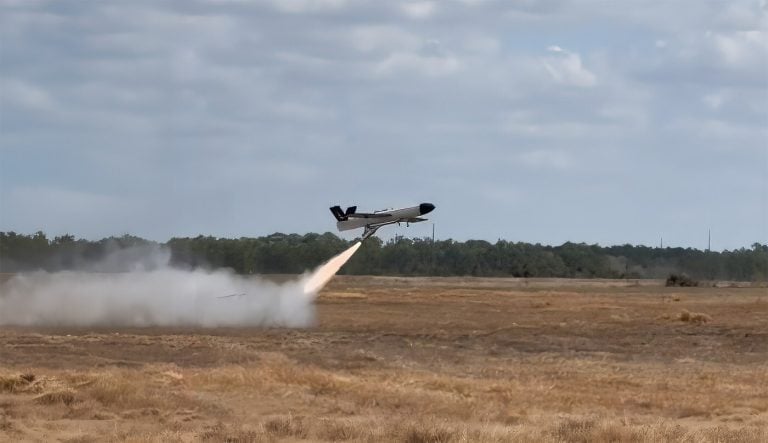
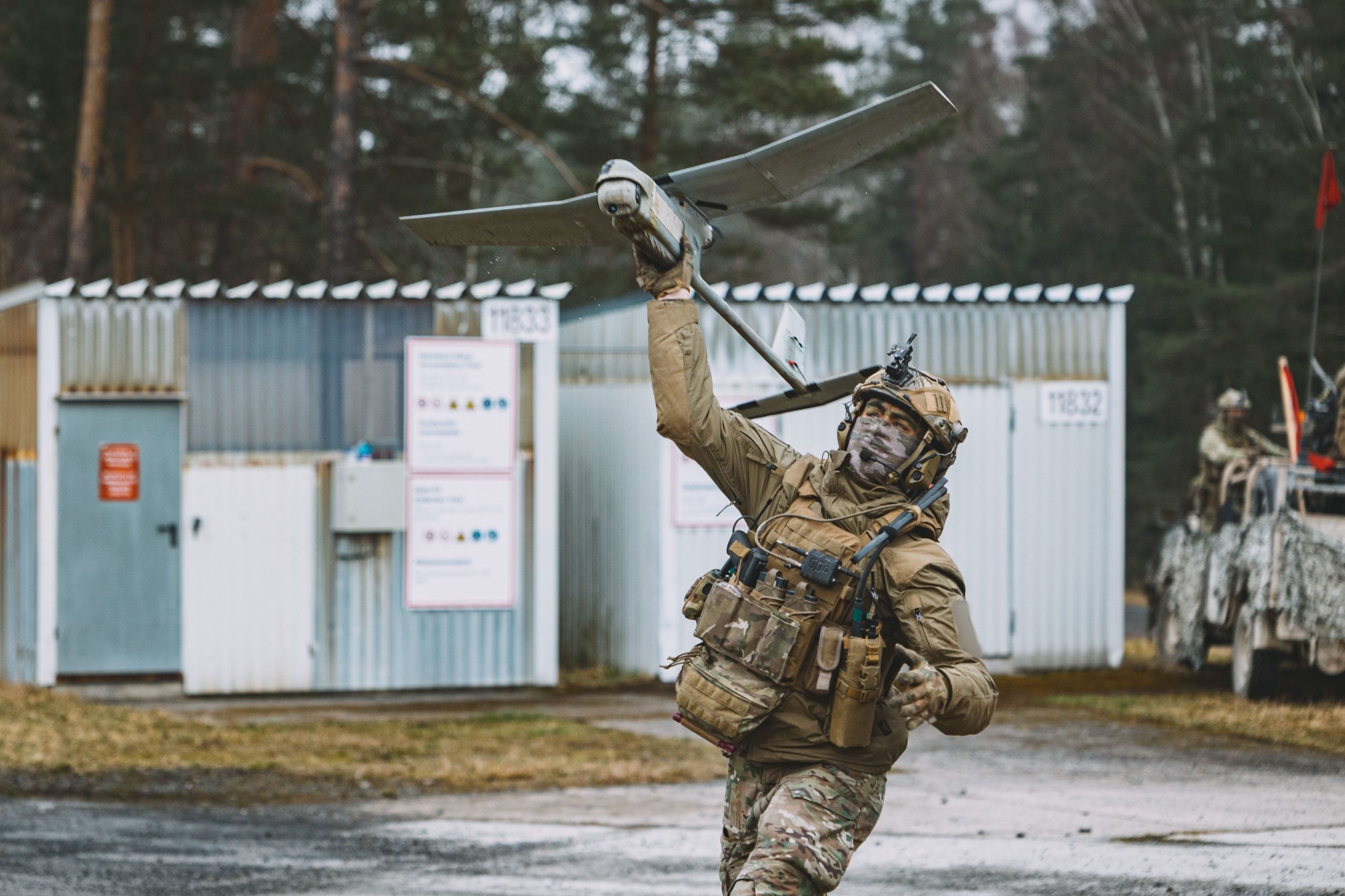
The new initiative, named “Odin,” is set to be executed as a large-scale acceleration program supported by a substantial budget of 3.6 billion euros (approximately $4.1 billion) over the next decade. The focus of the Odin initiative will be on the development and rapid deployment of advanced technologies, including drones, autonomous systems, artificial intelligence, cyber defense, quantum technologies, and energy weapons like lasers.
In his address to Parliament, Francken underscored the consequences of decades of underinvestment in defense, a trend rooted in the prevailing belief in “permanent peace” following the Cold War. He indicated that this underfunding has led to an overreliance on the United States for security. Increasing defense spending through initiatives like Odin is seen as a critical step toward rectifying this imbalance, with the Minister also emphasizing the importance of sustained investment in diplomacy and strategic communication.
The Odin program is designed to complement Belgium’s broader military investment strategy, which amounts to 34 billion euros (around $39.5 billion) through to 2035. Within this extensive framework, enhancing air and missile defense capabilities is prioritized. This includes a collaborative procurement effort with the Netherlands for the Norwegian-made National Advanced Surface-to-Air Missile System (NASAMS).
Additionally, ongoing research will aid in deciding between two air defense systems: Europe’s Surface-to-Air Medium-Range/Land-based system (SAMP/T) and the US-produced Patriot system, with a conclusive choice expected by July 2026. The strategy also involves the deployment of F-35 fighter jets, an acquisition of eleven additional aircraft, and the procurement of a third frigate along with a second light brigade for ground forces.
In an innovative move, plans are also underway to investigate the feasibility of micro-modular nuclear reactors to provide energy independence for deployed military personnel, with initial findings anticipated by January 2027. This initiative reflects Belgium’s commitment to modernizing its defense infrastructure and ensuring that its military is equipped to meet the demands of future global conflicts.