Many SSB aspirants believe that GTO evaluates them mainly on ideas, physical performance, or speaking ability.
However, there is a powerful truth most candidates overlook:
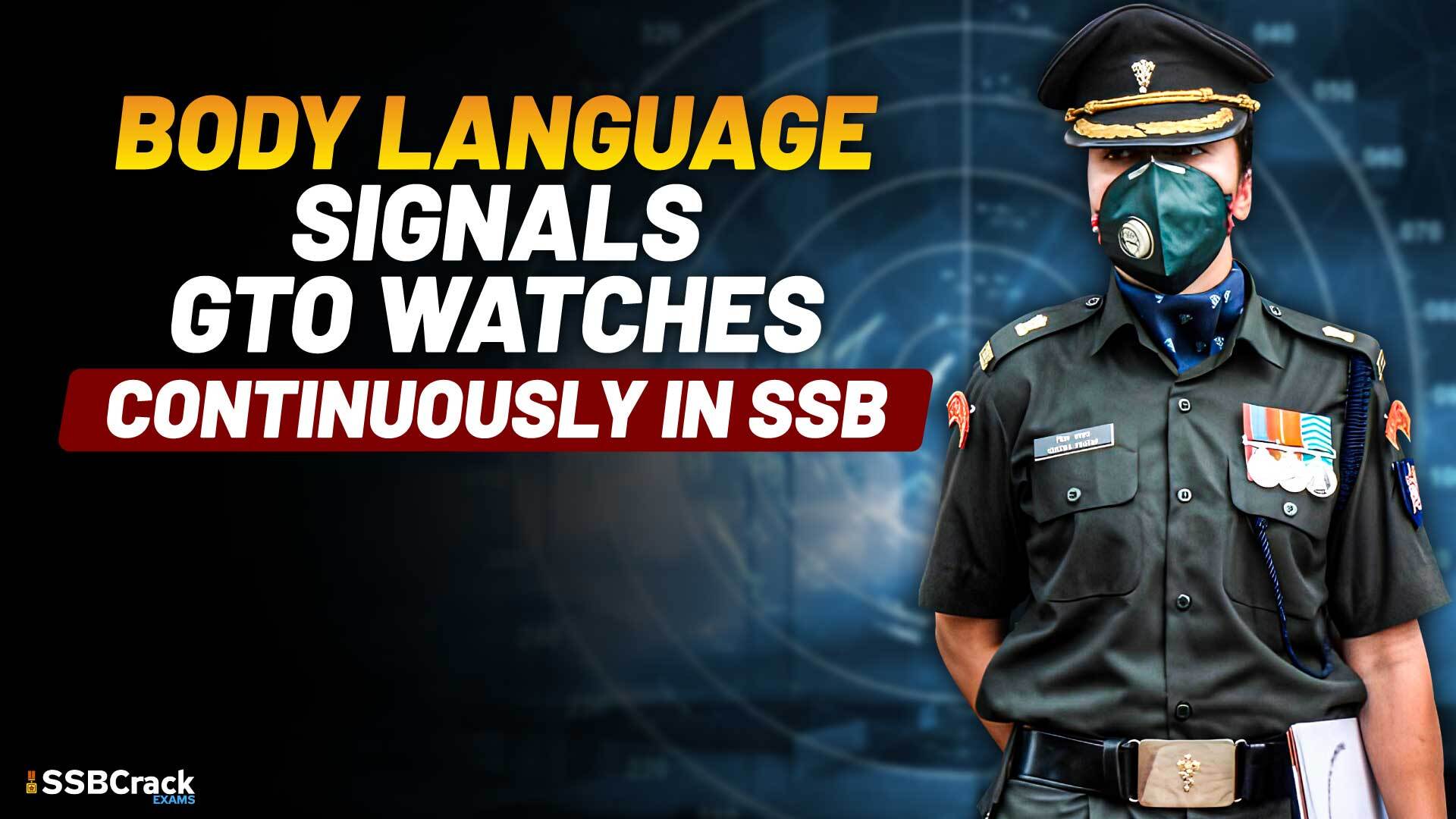
Your body language is being observed continuously throughout the GTO tasks.
Even when you are silent, waiting, or simply watching the obstacle, your body is communicating something about your personality.
The GTO does not only listen to what you say — he carefully observes how you stand, move, react, and interact with the group.
This article explains the key body language signals that the GTO watches throughout the entire group testing process.
Why Body Language Matters in SSB
In real military situations, officers must demonstrate:
- Confidence
- Alertness
- Emotional control
- Leadership presence
- Situational awareness
These qualities are often reflected non-verbally through body posture and movement.
Body language helps the GTO understand:
- Whether a candidate is confident or unsure
- Whether he is engaged or mentally absent
- Whether he naturally influences others
1. Entry Posture on the GTO Ground
The first few seconds on the ground are important.
The GTO observes how candidates walk toward the task area.
Positive signs include:
- Upright posture
- Natural walking pace
- Relaxed shoulders
- Alert eyes
Negative signals include:
- Slouching
- Hesitant walking
- Hands nervously fidgeting
- Looking down constantly
An officer must appear alert and ready, even before the task begins.
2. Eye Movement and Situational Awareness
Eye movement reveals how attentive a candidate is.
The GTO often notices:
- Are you scanning the obstacle?
- Are you watching the group discussion?
- Are you following the instructions carefully?
Recommended candidates usually display:
- Active observation
- Quick scanning of supports and gaps
- Eye contact during communication
Candidates who stare blankly or remain distracted appear disengaged.
3. Standing Posture During Briefing
While the GTO is explaining the task, candidates are carefully observed.
Ideal posture:
- Standing straight
- Hands relaxed by the sides
- Slight forward attention toward the obstacle
- Occasional nodding to indicate understanding
Poor posture signals include:
- Leaning excessively
- Looking bored
- Constant shifting or restlessness
Standing posture reflects discipline and attentiveness.
4. Body Orientation Toward the Group
Leadership candidates usually position their bodies toward the group while speaking.
This shows openness and inclusion.
Indicators of positive group orientation include:
- Facing teammates while discussing ideas
- Using controlled hand gestures
- Maintaining balanced space within the group
Negative signals include:
- Turning away while speaking
- Ignoring others physically
- Standing apart from the group
Leaders appear connected to the team.
5. Hand Movements During Explanation
Hands reveal thinking patterns.
Effective candidates use simple and controlled gestures to explain their ideas.
Examples include:
- Pointing toward supports or structures
- Demonstrating placement of plank
- Indicating movement direction
Excessive or chaotic hand movements may suggest nervousness or confusion.
Clear gestures indicate clarity of thought.
6. Balance and Stability on Structures
When standing on planks or obstacles, body control is noticed.
The GTO observes:
- Balance while standing
- Stability during movement
- Confidence while assisting teammates
Calm and stable body movement shows:
- Physical control
- Confidence under pressure
- Awareness of safety
7. Reaction to Failure or Mistakes
Body language during failure is extremely revealing.
When a structure collapses or an attempt fails, candidates may react differently.
Weak reactions include:
- Throwing hands in frustration
- Looking irritated
- Walking away silently
Officer-like reactions include:
- Staying calm
- Observing the problem
- Immediately assisting in correction
Emotional stability is often visible through body reactions rather than words.
8. Supportive Body Language Toward Teammates
Leaders often display small but meaningful physical behaviours.
Examples include:
- Offering a steady hand
- Passing materials smoothly
- Helping someone balance
These gestures demonstrate team orientation and responsibility.
Candidates who ignore teammates physically may appear self-focused.
9. Movement Energy and Enthusiasm
Energy level is reflected in how a candidate moves.
The GTO notices whether a candidate:
- Moves with purpose
- Shows readiness to participate
- Demonstrates enthusiasm for tasks
Sluggish movement or lack of engagement may signal low motivation.
10. Listening Body Language
Listening also has visible signals.
Positive listening cues include:
- Slight forward lean
- Focused eye contact
- Nodding occasionally
These signals show respect and openness toward others’ ideas.
Candidates who appear distracted or indifferent weaken their leadership impression.
Common Body Language Mistakes
Some behaviours immediately reduce a candidate’s impression:
- Folding arms while others speak
- Standing far away from the group
- Excessive pointing or aggressive gestures
- Avoiding eye contact
- Displaying frustration openly
Such signals suggest poor emotional control or lack of cooperation.
The Ideal Body Language of an Officer Candidate
Throughout GTO tasks, ideal body language reflects:
- Confidence without arrogance
- Alertness without anxiety
- Leadership without dominance
- Cooperation without passivity
When body language aligns with these qualities, a candidate appears naturally officer-like.
Final Message
In SSB, words matter — but body language often speaks louder than words.
The GTO continuously observes:
- How you stand
- How you move
- How you react
- How you interact
Even small gestures can reveal your mindset.
Remember:
An officer’s personality is visible even in silence.
When your body language reflects confidence, awareness, and teamwork, the GTO begins to see you not just as a participant in the task — but as a potential leader.