Brazil is advancing towards the deployment of a new medium-range ground-based air defense system, with Italy emerging as the leading partner in this initiative, eclipsing previous discussions with India.
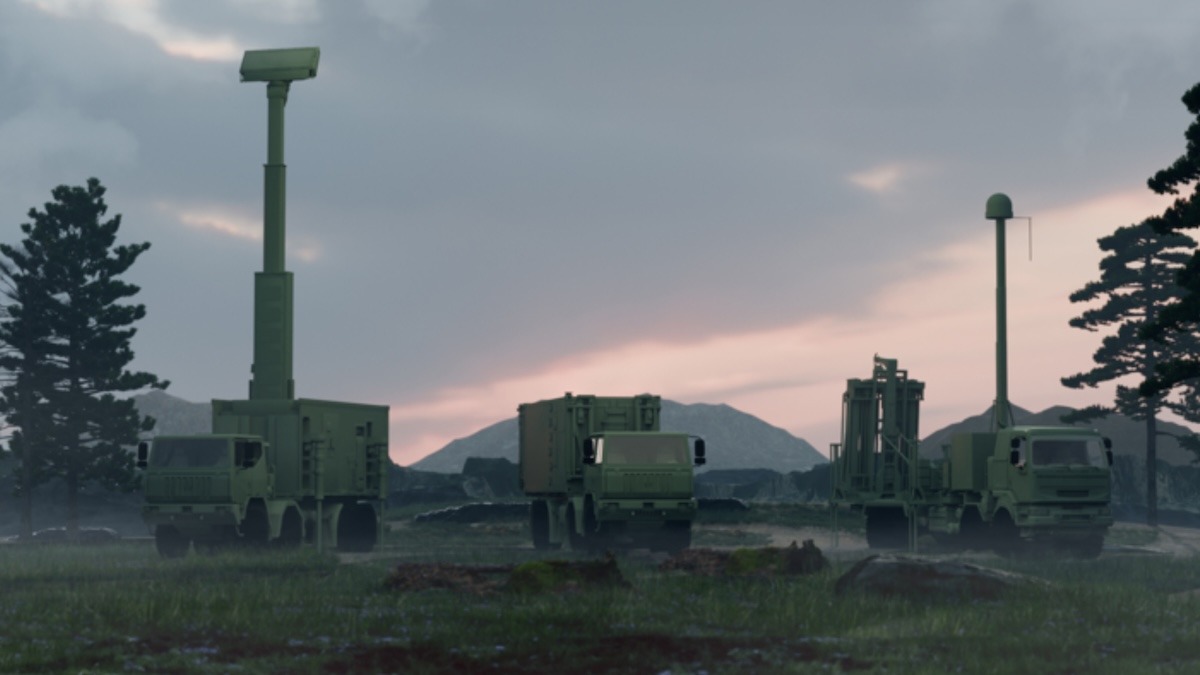
The Brazilian Army is set to acquire the EMADS system, developed by MBDA, with significant contributions from the Italian defense firm Leonardo. Ongoing negotiations hint at a potential deal being finalized later this year, estimated to be valued up to 3.4 billion Brazilian reals (approximately $624 million) through a government-to-government agreement, as reported by CNN Brasil.
This development follows a directive issued in December by Army Chief of Staff Gen. Francisco Humberto Montenegro, which outlined technical criteria that effectively excluded Indian defense contractors Bharat Dynamics Limited (BDL) and Bharat Electronics Limited (BEL). Brazilian officials had initially considered the Indian-manufactured Akash air defense system. However, talks faltered in July when BDL and BEL proposed only an older model that the Army deemed technologically insufficient.
The EMADS, also referred to as the Land Ceptor, utilizes the Common Anti-air Modular Missile (CAMM) family of surface-to-air missiles. The standard CAMM boasts a range of 25 kilometers (15.5 miles), while its extended-range variant, CAMM-ER, reaches up to 45 kilometers (28 miles). These missiles are specifically designed to neutralize aerial threats, which include drones and cruise missiles.
Should this acquisition plan be approved, it would significantly enhance the Army’s current air defense capabilities, which presently extend only to approximately 3,000 meters (9,843 feet) in altitude. Furthermore, the Brazilian Navy has already committed to the Sea Ceptor air defense system, which employs the same CAMM missiles for its Tamandaré-class frigates, ordered in 2021.
Integrating the EMADS system into the Brazilian military framework would allow for shared resources, including ammunition, training protocols, and logistical support between the Army and Navy. The Army has plans to strategically position artillery batteries to safeguard vital areas; two batteries are anticipated to be based at the 12th Anti-Aircraft Artillery Group in Jundiaí and the 11th Anti-Aircraft Artillery Group in Brasília, with a third unit designated to protect northern Brazil.