




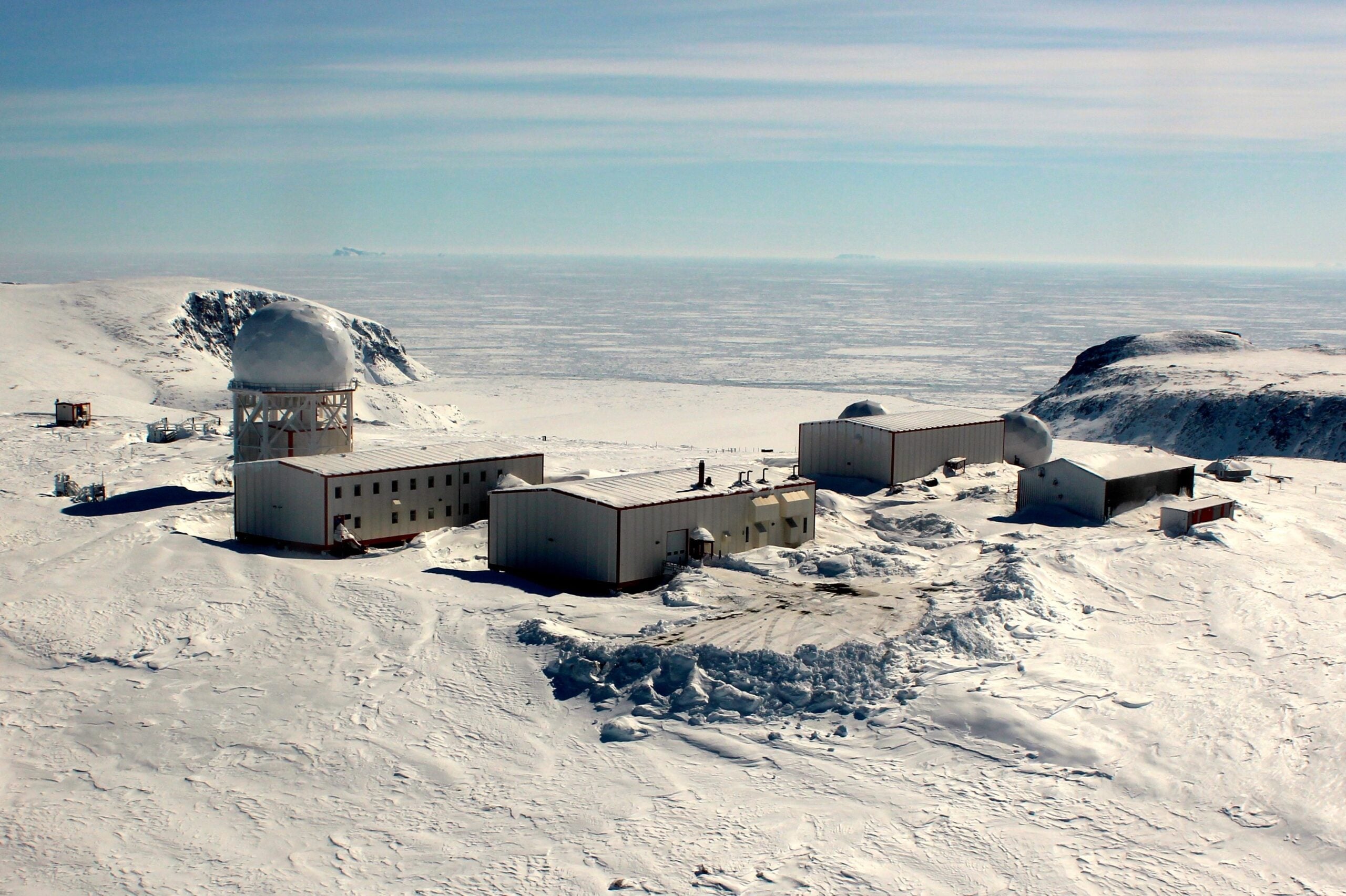
Canada and Australia have formalized a significant export agreement valued at $2.5 billion aimed at enhancing Canada’s Arctic surveillance capabilities through the development of an Over-the-Horizon Radar (A-OTHR) system. This agreement marks a crucial step forward for the A-OTHR program, moving it into the delivery phase with plans to achieve initial operational capability by December 2029, and commencing work as early as July 2026.
The A-OTHR system will utilize advanced technologies derived from Australia’s Jindalee Operational Radar Network, which is capable of providing extensive surveillance over distances reaching up to 3,000 kilometers (1,864 miles) by employing high-frequency radio waves reflected off the ionosphere. This technology addresses the limitations of traditional radar systems that are hindered by the curvature of the Earth, thereby allowing for the detection and tracking of airborne and maritime targets over vast areas.
Once fully operational, the A-OTHR system is anticipated to significantly enhance Canada’s long-range detection capabilities, enabling the country to identify and address airborne and maritime threats more effectively. This improvement is expected to bolster situational awareness, thus extending the warning and decision-making time crucial for the defense of Canadian and North American airspace.
Canadian Secretary of State (Defence Procurement) Stephen Fuhr emphasized the importance of the project, stating that it plays a vital role in reinforcing Arctic security. He noted that the initiative is part of a larger strategy to construct an integrated surveillance and communications network in the Arctic, aimed at improving Canada’s capacity to monitor and respond to activities in the region. Fuhr also highlighted the collaboration with trusted partners as a means to modernize Canada’s defenses while ensuring industrial and technological benefits remain within the country.
BAE Systems Australia will collaborate with various Canadian firms to foster domestic expertise in over-the-horizon radar technology, thereby furthering the development of Canada’s defense industrial base. The economic impact of the A-OTHR program is projected to be substantial, with estimates suggesting it could contribute nearly $290 million annually to the Canadian economy and support around 2,270 jobs each year from 2026 until 2033. Additionally, the project is expected to create approximately 300 high-value technical jobs in Australia, promoting greater interoperability between the two allied nations.
The strategic partnership established through this agreement also sets the groundwork for joint research and development efforts aimed at enhancing over-the-horizon radar capabilities, providing mutual benefits for both Canada and Australia. BAE Systems Australia’s Chief Executive Officer Craig Lockhart remarked on the significance of the agreement, highlighting the potential for Canadian and Australian industries to expand their presence in allied defense and technology markets. This collaboration not only supports the strategic interests of both countries but also strengthens the situational awareness among the Five-Eyes intelligence alliance.


