




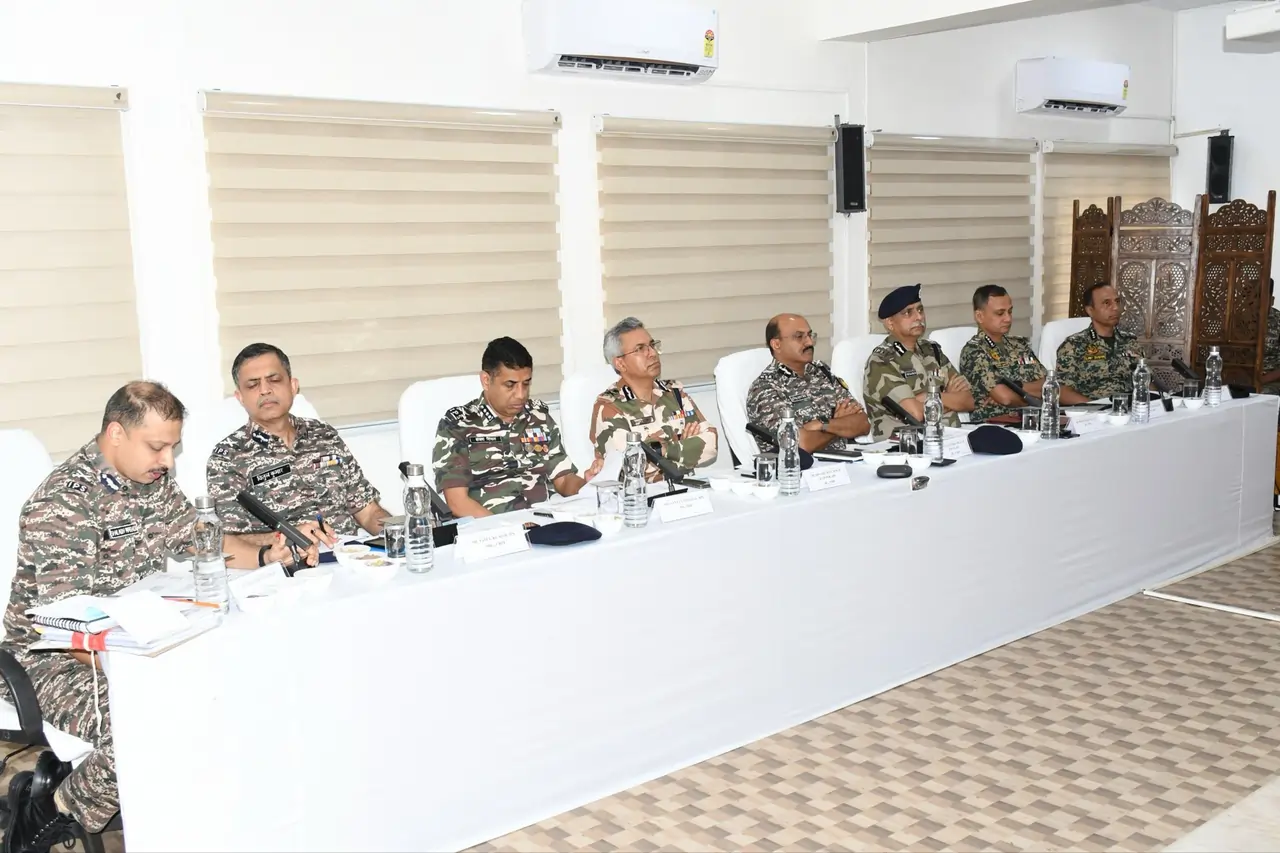
In a groundbreaking initiative, the leadership of India’s Central Armed Police Forces (CAPFs) convened for a high-level meeting in Kolkata to assess security arrangements ahead of the upcoming West Bengal Assembly elections. This unprecedented gathering represents the first occasion where Directors General of CAPFs have met within a poll-bound state during an election cycle, indicating the government’s commitment to ensuring a secure electoral process.
To safeguard the elections, nearly two lakh personnel from various forces are being deployed. These include units from the Central Reserve Police Force, the Border Security Force, the Central Industrial Security Force, the Indo Tibetan Border Police, and the Sashastra Seema Bal. Their efforts are bolstered by Indian Reserve Battalions and local state police units, ensuring a robust law enforcement presence throughout the electoral period.
During the meeting, which was followed by a leadership summit at the Central Reserve Police Force headquarters in Salt Lake, officials established plans for an “integrated security grid.” This grid is designed to prevent potential disruptions during the polling process, enhance coordination with the West Bengal Police, and fortify area domination and surveillance.
The security strategy is not solely based on personnel deployment; it integrates advanced technology-driven measures aimed at enhancing the monitoring and safety of the electoral process. Key components of this strategy include the deployment of Quick Response Teams (QRTs), rigorous anti-sabotage checks, and the implementation of cutting-edge monitoring systems. The overarching objective is to cultivate a safe, secure, and intimidation-free atmosphere for voters, thereby encouraging high voter turnout.
Additionally, senior officers from the CAPFs, along with state police officials and observers appointed by the Election Commission, conducted thorough reviews of the security arrangements. Special attention was given to the first phase of the elections, covering 152 seats scheduled for April 23, followed by the second phase on April 29.
In their discussions, officials stressed that the mission transcends mere security enforcement; it reflects a broader commitment to uphold the integrity of the democratic process. Praveer Ranjan, the Director General of the Central Industrial Security Force, emphasized the necessity for the forces to function as a unified, disciplined, and technologically adept entity to guarantee free and fair elections.
As the state approaches this critical electoral moment, the deployment and preparations suggest a strong and proactive stance seeking to uphold democratic ideals under the framework of a secure and supportive electoral environment.


