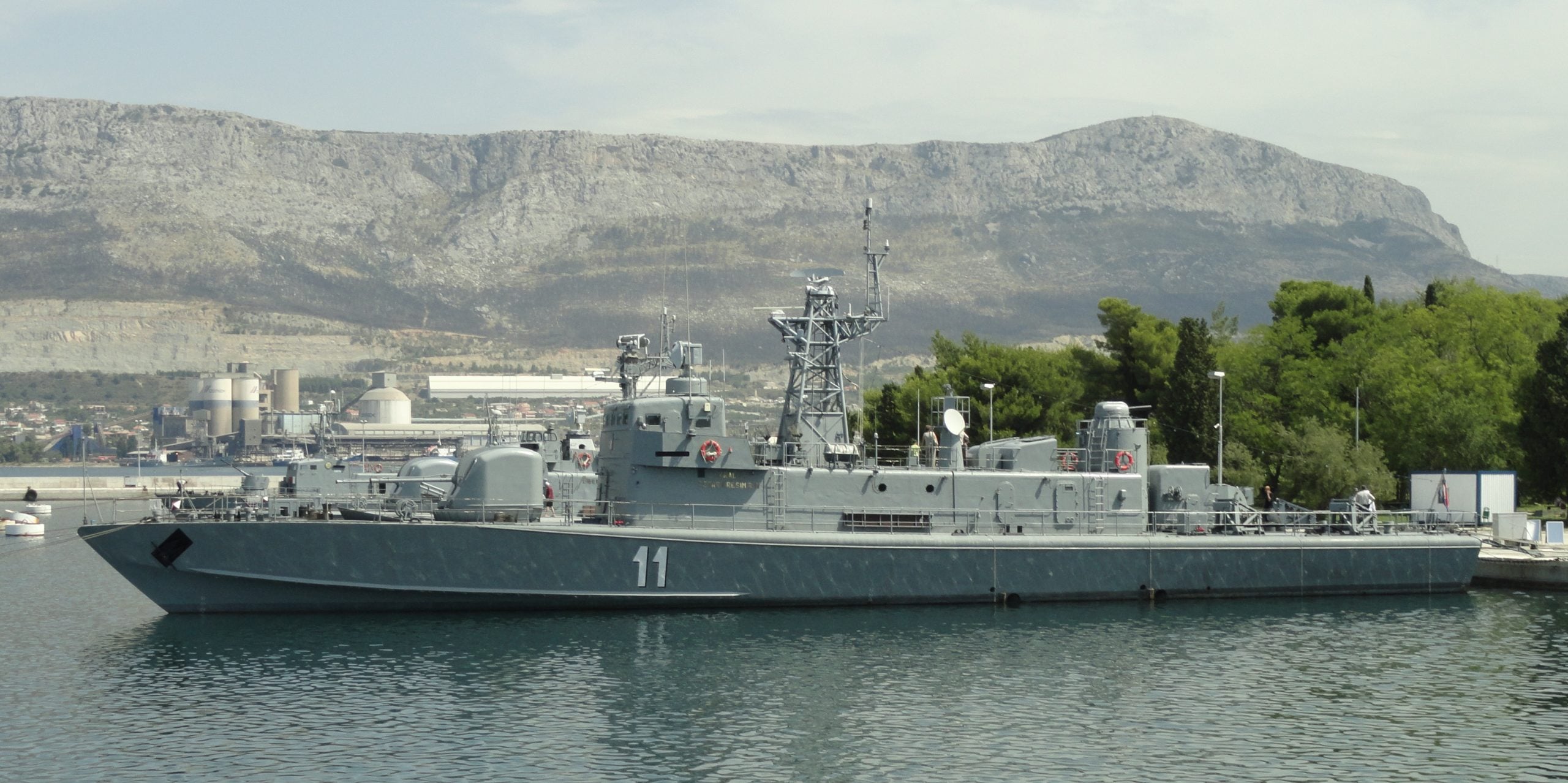
The Croatian Navy is embarking on an ambitious plan to enhance its maritime capabilities through the procurement of two new corvettes, with project costs estimated to range from 660 million euros (approximately $768 million) to 1.6 billion euros (around $1.86 billion). Once these vessels are acquired, they will represent the largest ships in the navy’s existing fleet, which currently includes five missile boats and six patrol vessels.
In its effort to procure these advanced warships, the Croatian Ministry of Defence is actively engaging in discussions with up to 12 shipyards representing eight different countries. This outreach has identified potential builders that meet the preliminary requirements set forth by the Ministry.
The shortlisted candidates include shipyards from France, Germany, Italy, the Netherlands, South Korea, Turkey (which has two shipyards in consideration), Spain, and the United States. Notable contenders in this competitive field include Italy’s Fincantieri, the Netherlands’ Damen, Germany’s Lürssen, and South Korea’s Hyundai.
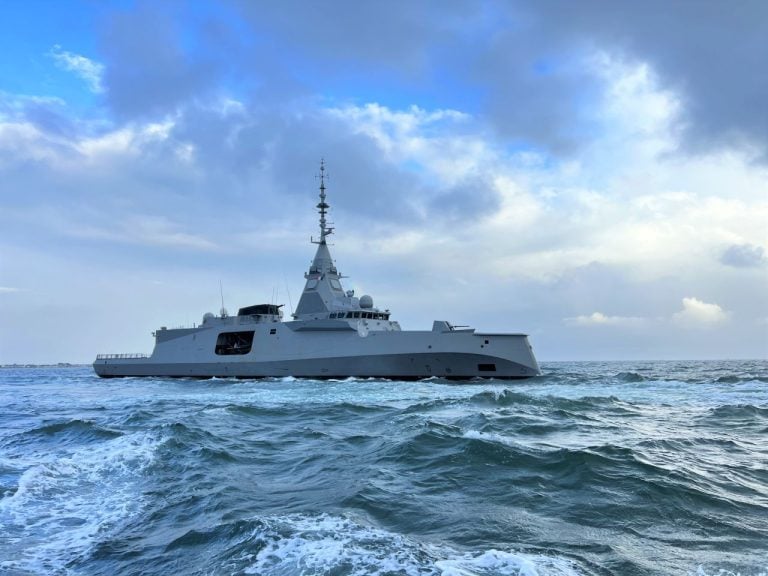
The bidding process is intense, with various designs on the table, including Turkey’s MİLGEM ADA-class corvette, South Korea’s more robust light frigate, and France’s Gowind-class vessels. Other designs under consideration are Germany’s K-130, Italy’s EPC and Al Zubarah, the Netherlands’ Sigma, Spain’s Avante 2200, and the US Littoral Combat Ship. These corvettes are expected to displace between 1,000 to 3,500 tons and will measure approximately 80 to 120 meters (262 to 394 feet) in length, completed by a variety of configuration options to meet specific operational needs.
The introduction of these corvettes is aimed at bolstering the Croatian Navy’s capabilities in defending the Adriatic Sea. Defense expert Matija Blaće has emphasized the significance of these new vessels in enhancing anti-submarine and air-defense capabilities crucial for regional operations.
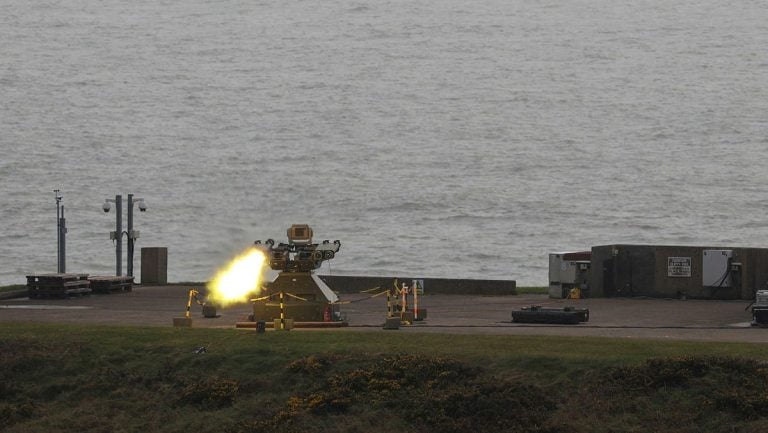
In terms of armament, the new corvettes are slated to be outfitted with advanced weaponry, including anti-ship missiles, short- and medium-range surface-to-air missile systems, medium-caliber naval guns, automatic cannons, and heavy machine guns for close defense scenarios. Additionally, torpedo tubes will be included for anti-submarine warfare. Some designs may also be equipped for helicopter operations and feature stealth technology to minimize radar signatures, thereby increasing operational flexibility in diverse maritime environments.