Israel’s Elbit Systems has secured substantial contracts totaling approximately $150 million aimed at enhancing the aircraft fleets of several European clients with its state-of-the-art J-MUSIC Directed Infrared Countermeasures (DIRCM) systems.
The first contract involves supplying the DIRCM system for installation on “high-value airborne platforms” operated by a European nation, although the specific details regarding this country have not been disclosed. This initiative comes as part of a broader strategy to bolster operational safety and survivability for transport aircraft fleets utilized by NATO member states during critical strategic airlift missions.
These recent contracts build on a significant $260-million agreement established in July between Elbit and Airbus Defence and Space, which focuses on delivering DIRCM capabilities for the German Air Force’s A400M transport aircraft. This indicates a growing demand for advanced defense technologies within Europe, particularly as geopolitical tensions continue to influence defense procurement strategies.
General Manager of Elbit Systems ISTAR & EWOren Sabag emphasized the importance of this recognition, stating, “The continued trust the European and global community places in Elbit Systems’ DIRCM self-protection solutions reflects the company’s growing reputation as an innovative airborne defense technology provider, offering effective protection for aircraft and personnel against the most advanced threats.”
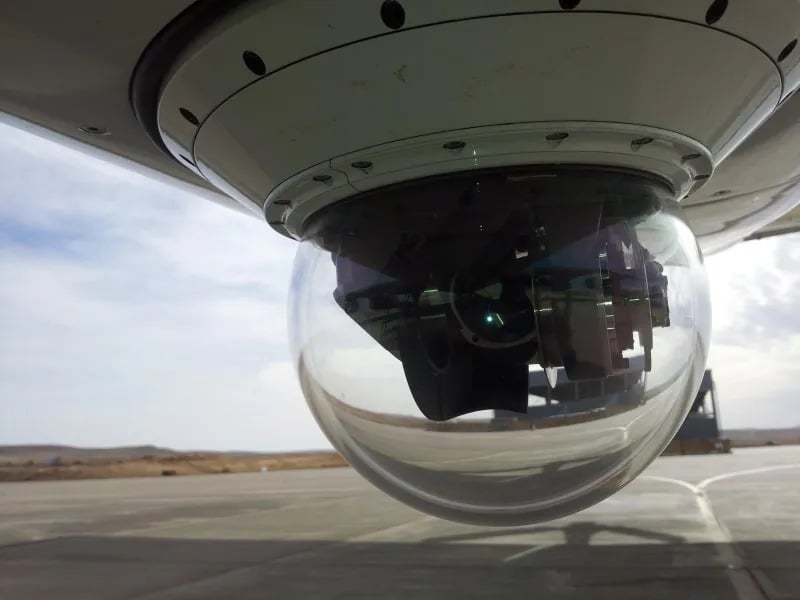
Elbit’s J-MUSIC DIRCM system is engineered to safeguard aircraft from infrared-homing missiles, particularly those launched from man-portable air defense systems. These missiles represent a serious risk to a variety of aircraft, including transport planes, tankers, specialized mission platforms, and VIP jets.
The J-MUSIC system utilizes advanced laser technology combined with superior imaging capabilities, ensuring a high level of protection against a wide array of heat-seeking ground-to-air infrared missile threats. Its lightweight and compact design allow for distributed installation across diverse aircraft types, accommodating both single- and multi-turret configurations. Additionally, the system’s open-architecture design facilitates easy integration with various missile warning systems, thereby providing comprehensive protection for both civil and military operators.