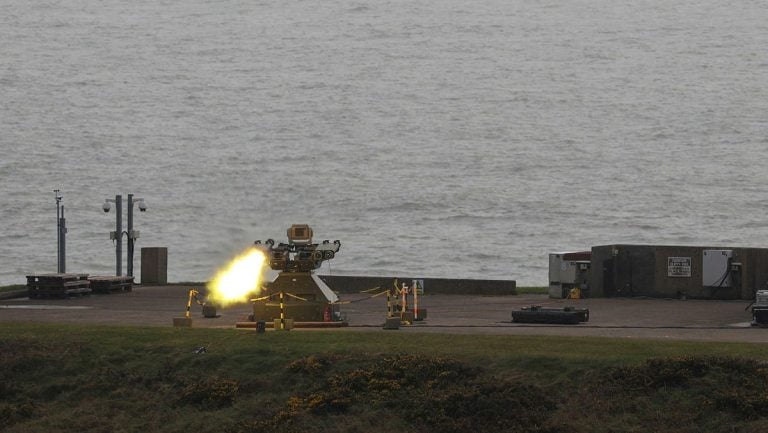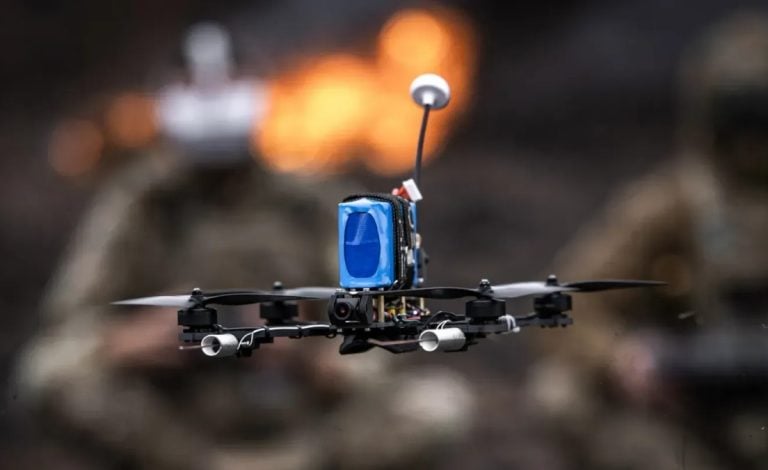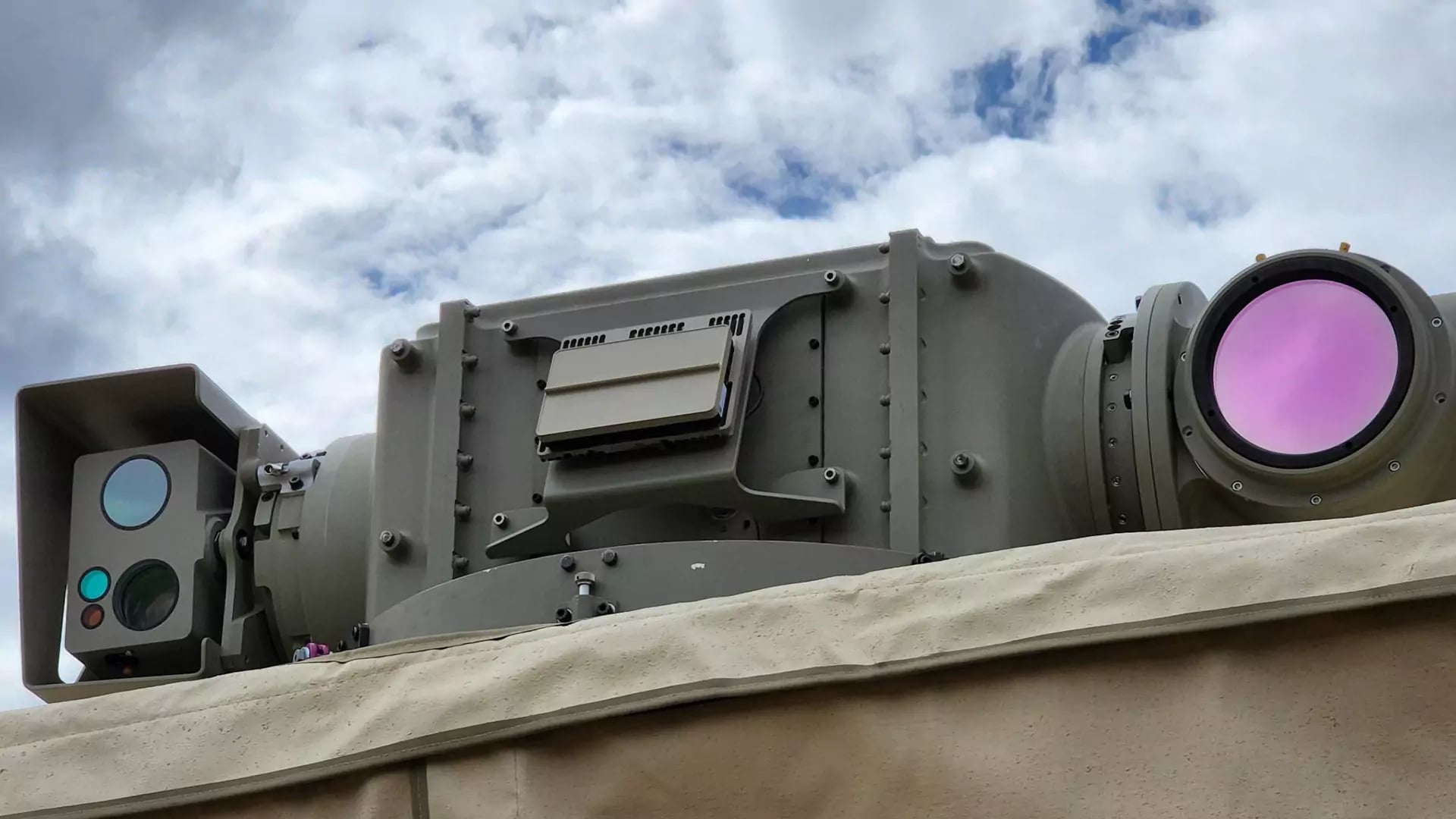
Australian technology firm Electro Optic Systems (EOS) has entered into a significant binding conditional agreement valued at $80 million to produce and supply its advanced 100-kilowatt high-energy laser weapon to a client in South Korea. This cutting-edge system is primarily designed to combat aerial drone threats, delivering beam strikes at the speed of light. The laser can neutralize multiple targets in less than a minute, with a cost-per-shot of under 10 cents, and is capable of destroying threats in just two seconds or less.
As part of this agreement, EOS will establish a joint venture with its South Korean partner to develop and supply 100-kilowatt laser weapons specifically for the local market. This venture will also entail licensing related intellectual property to the new business, contingent upon obtaining regulatory approvals and fulfilling contract conditions.
Production for the order will be facilitated at EOS’s newly established laser weapons factory in Singapore, underlining the company’s commitment to advancing its manufacturing capabilities in the region. The terms of the agreement include an initial deposit of $18 million, the issuance of a letter of credit for the remainder of the balance, and stipulations for customer inspection and acceptance of the Singapore facility.
The involved parties anticipate completing these preliminary steps before January 2026. Future payments will be structured around key project milestones and will include provisions for full refunds should any non-performance issues arise. Should all conditions be satisfied, EOS aims to deliver the high-energy laser system to South Korea by the end of 2027, followed by demonstrations conducted within the country.
Additionally, the joint venture will entail licensing considerations that are to be paid after its establishment and upon reaching established milestones. This contract marks EOS’s second export order for its 100-kilowatt class laser defense system, following a previous agreement with a Western European customer announced in August 2025.