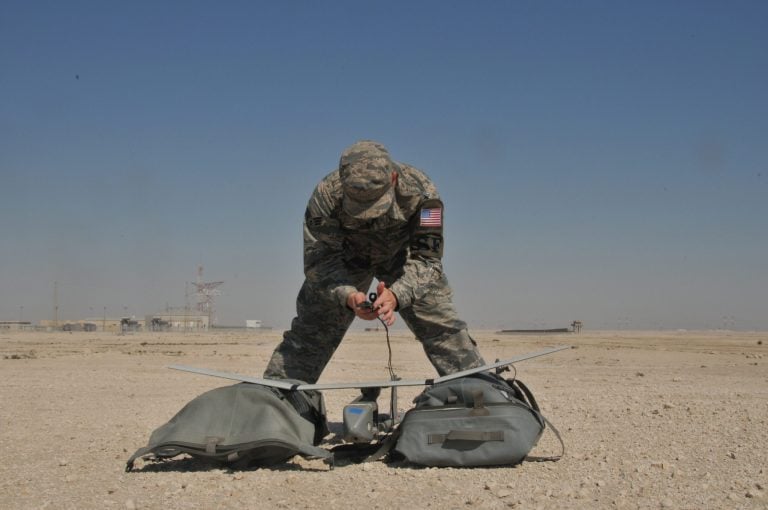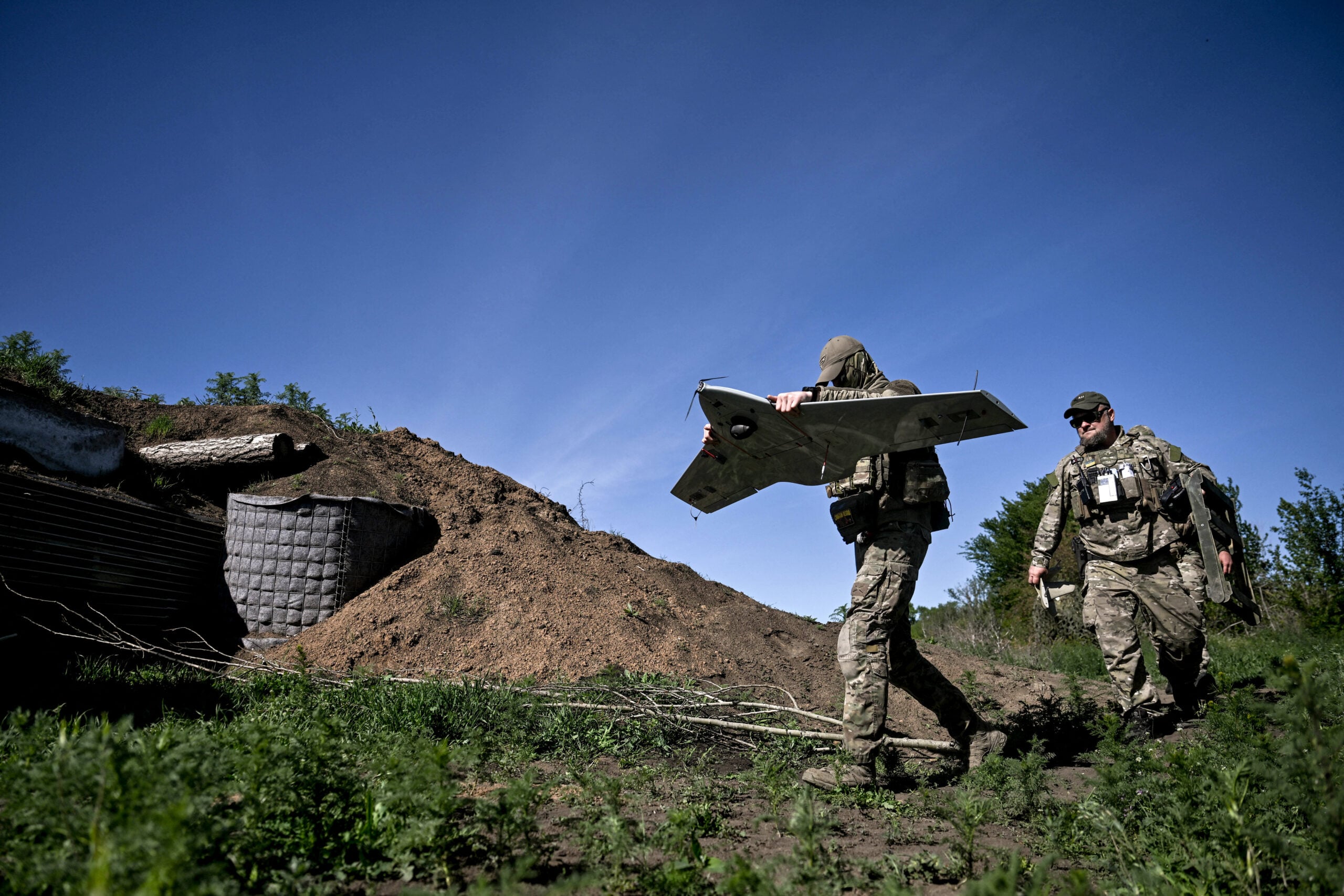
Five of Europe’s leading military powers have taken a significant step in advancing their defense capabilities by launching a collaborative initiative focused on the rapid development of low-cost drones. This announcement was made during a meeting of defense ministers and deputy ministers from Britain, France, Germany, Italy, and Poland, who highlighted the evolving role of unmanned aerial vehicles (UAVs) in modern warfare, particularly in light of the conflict in Ukraine.
The initiative, named the Low-Cost Effectors and Autonomous Platforms (LEAP), aims to bolster collective security within NATO and enhance cooperation among European nations. The ongoing war in Ukraine, sparked by Russia’s invasion four years ago, has underscored the crucial role of drones in military operations, leading to a reassessment of existing air defense systems.
Polish Defense Minister Wladyslaw Kosiniak-Kamysz remarked on the transformational impact of drone systems in Ukraine, noting that they have prompted significant changes in military strategies regarding armaments. The widespread use of drones along the front lines—and increasingly deep into enemy territory—has rendered traditional air defense systems less effective. This situation has emphasized the need for the development of more economical and efficient counter-drone technologies, as employing costly missiles to neutralize drones is not a sustainable strategy.
At a press conference, Germany’s Defense Minister Boris Pistorius articulated the project’s goals of swiftly creating and mass-producing innovative defensive systems specifically designed to combat drone threats. UK Minister of State for the Defense Industry, Luke Pollard, shared that each participating nation has pledged a “multi-million” dollar investment to expedite the production of these much-needed components within a 12-month timeline.
In addition to the drone initiative, the military leaders reached a consensus on the necessity of “assuming greater responsibility” for the security of the continent, advocating for a “more European NATO.” This discussion follows a commitment made at the previous year’s summit in The Hague, where NATO members promised to increase their defense expenditures to five percent of their national GDP by 2025, a substantial increase from the prior target of two percent.
The need for equitable burden-sharing among NATO allies has been a contentious issue, often leading to friction between Europe and the United States. In their joint statement, the ministers affirmed their commitment to collaboratively work towards a stronger European NATO, thereby enhancing the readiness and responsiveness of European defense mechanisms.
Poland, positioned as the largest country on NATO’s eastern flank and sharing borders with Russia and Belarus, stands out as a significant player in regional defense, having allocated 4.48 percent of its GDP to military spending in the previous year. This move signifies Poland’s pivotal role and investment in bolstering NATO’s presence and security along its eastern borders.