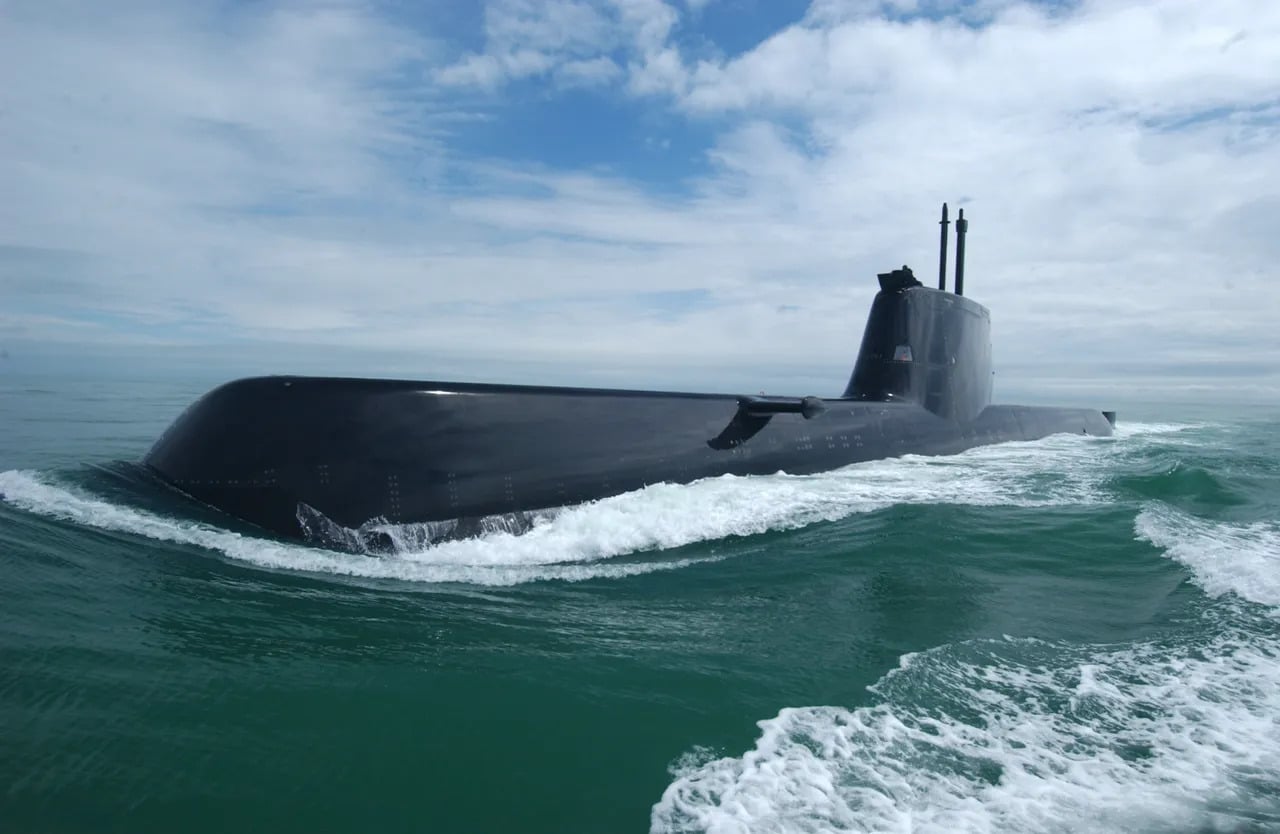
Germany and India are poised to advance discussions on a significant $8-billion program aimed at collaboration on the construction of six German-designed conventional submarines for the Indian Navy. These talks are expected to take center stage during German Chancellor Friedrich Merz’s two-day visit to New Delhi in mid-January, as defense relations between the two nations gain increasing importance.
The timing of this visit is critical, as the Indian Navy is contending with an aging fleet of conventional submarines, which currently comprises 16 vessels, with 10 of them exceeding three decades in age. This aging fleet underscores a pressing need for modernization and enhancement of India’s underwater combat capabilities.
In parallel, India is progressing on its nuclear submarine initiative, with the fourth Arihant-class ballistic missile submarine anticipated to enter service by 2027. This development is part of the broader strategic aim to bolster maritime security in the region.
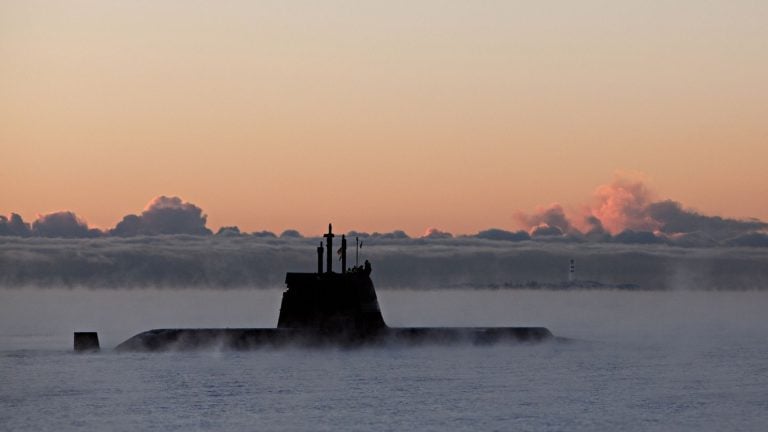
A significant focus of the ongoing discussions is India’s interest in acquiring Type 214 diesel-electric submarines, which feature air-independent propulsion (AIP) systems. This technology is crucial for India, as it seeks to enhance underwater endurance without the necessity to surface frequently.
The collaboration is expected to involve a partnership between ThyssenKrupp Marine Systems and Mazgaon Dock Shipbuilders Limited (MDL), a state-owned enterprise in India. This partnership aims to facilitate the local construction of the submarines, leveraging expertise and engineering support from Germany, which was previously approved for design input and technical consultancy. MDL is tasked with the actual construction and delivery of the submarines.
Indian officials expressed optimism about the new engine technology to be included in this future fleet, which would reportedly allow the submarines to remain submerged for up to six days—an enhancement that would significantly improve operational capabilities.
However, despite the advancing discussions, sources indicate that a formal submarine contract is unlikely to be finalized during Chancellor Merz’s visit. Nevertheless, the talks are expected to emphasize broader defense agreements, especially following Germany’s recent decision to remove a substantial number of defense items from its export control list. This adjustment has paved the way for more robust industrial cooperation between Germany and India.
Chancellor Merz’s itinerary will also include delegation-level meetings in Gandhinagar, visits to GIFT City and Bengaluru, as well as cultural engagements in Ahmedabad, highlighting events such as the International Kite Festival and a visit to the Sabarmati Ashram. These activities are designed to strengthen not only defense ties but also cultural and economic relations between the two nations.