




Hezbollah’s leader, Naim Qassem, firmly rejected a recently proposed conditional truce between Lebanese and Israeli representatives, demanding instead a comprehensive ceasefire and full Israeli withdrawal from Lebanese territory. His remarks came after the envoys agreed on a ceasefire during discussions in the United States. Lebanese President Joseph Aoun described the agreement as a “last chance” to end the ongoing violence, which has escalated significantly since Hezbollah’s attack on Israel on March 2, a response to the killing of Iran’s supreme leader days earlier.
Despite the ongoing talks, Hezbollah maintains that there is no basis for a truce, criticizing previous ceasefire attempts as ineffective. The last ceasefire, declared on April 17, has been repeatedly violated, with Israeli forces operating deep within Lebanese borders and Hezbollah militants continuing their assaults on Israeli positions. Qassem emphasized that any ceasefire must be all-encompassing, insisting that “the Israeli enemy must lose the freedom to kill.”
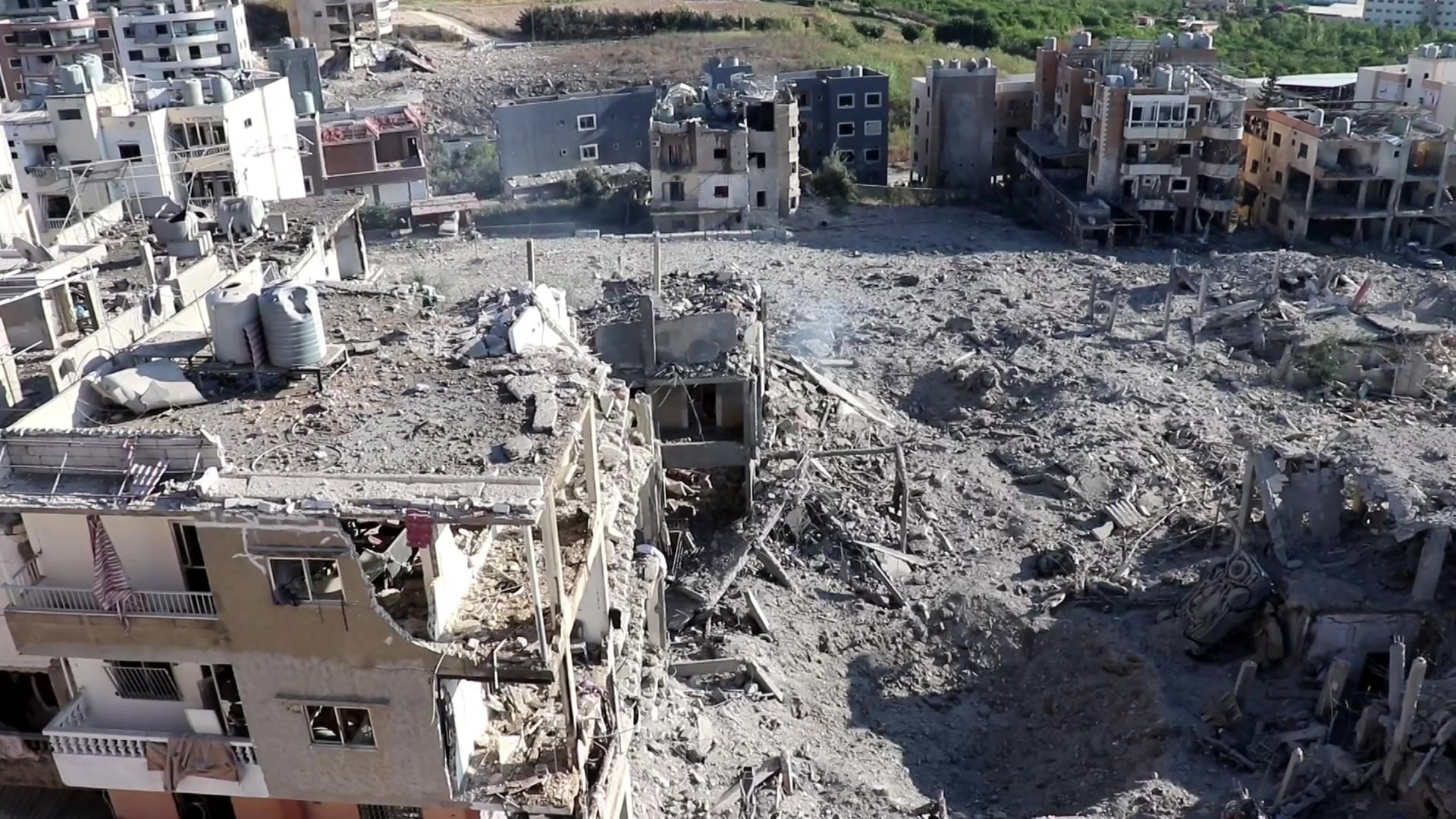
Amid ongoing conflict, the situation escalated with new Israeli airstrikes on Lebanese territory, accompanied by aggressive rhetoric from Israeli Defense Minister Israel Katz. Katz indicated that the military would continue operations in Lebanon until the situation shifted, stating that Israeli forces would retain their “freedom of action,” supported by the United States, to target areas in Beirut if necessary.
After the Washington meeting, both parties, operating without formal diplomatic relations, agreed to the establishment of “pilot zones” managed exclusively by the Lebanese army, aimed at maintaining order and excluding non-state actors from these areas. However, this arrangement has been met with skepticism. Many, including President Aoun, see it as a final opportunity for a lasting ceasefire, while Qassem characterized any form of retreat by Hezbollah as a defeat.
Tragically, the conflict has also resulted in casualties among international forces. A United Nations peacekeeper was killed and two others injured when a UNIFIL base was struck, leading to accusations against Hezbollah, which the group has denied. UN Secretary-General Antonio Guterres condemned the incident and called for a thorough investigation.
The ongoing violence has led to widespread fear among civilians. A resident from the southern suburbs of Beirut expressed doubt regarding the ceasefire’s viability, insisting that it has been violated multiple times previously. “I won’t believe it until I see it on the ground,” he declared, highlighting the skepticism that surrounds any ceasefire agreement between the two sides.
On the same day as Qassem’s pronouncements, Israeli military operations intensified, with strikes reported across numerous locations in southern and eastern Lebanon. According to the Lebanese health ministry, at least eight individuals were killed in this latest round of airstrikes, further inflaming the already volatile situation.
In a significant loss for the Israeli military, it was reported that one of its soldiers was killed during operations in southern Lebanon, marking a grim tally of 27 Israeli soldiers and one civilian contractor killed since the conflict reignited. As the situation continues to deteriorate, both sides appear entrenched in their positions, leaving the prospects for peace increasingly uncertain.


