




The International Atomic Energy Agency (IAEA) has raised alarm in a confidential report regarding Iran’s nuclear program, citing concerns over the lack of access to the country’s nuclear materials. The agency’s findings highlight a potential “proliferation concern,” urging Tehran to engage in constructive dialogue to address the situation.
The report comes amid escalating tensions in the region, following a significant military conflict that erupted on February 28, 2025. Israeli airstrikes, supported by the United States, targeted Iranian nuclear facilities, severely limiting the IAEA’s ability to monitor nuclear activities within the country. Since this conflict began, satellite imagery has not shown any significant activity at key nuclear sites such as Isfahan and Natanz, according to a diplomatic source.
In recent developments, reports indicated that Iran has recently unblocked 50 of the 69 tunnel entrances targeted by U.S. and Israeli strikes across 18 underground missile facilities. However, despite these activities, the IAEA has expressed concern over the lack of access to verify the status of previously declared uranium stockpiles. Prior to the military strikes in June 2025, the agency estimated that Iran held approximately 440 kilograms (970 pounds) of uranium enriched to 60 percent—a figure alarmingly close to the 90 percent threshold needed for weapons-grade material.
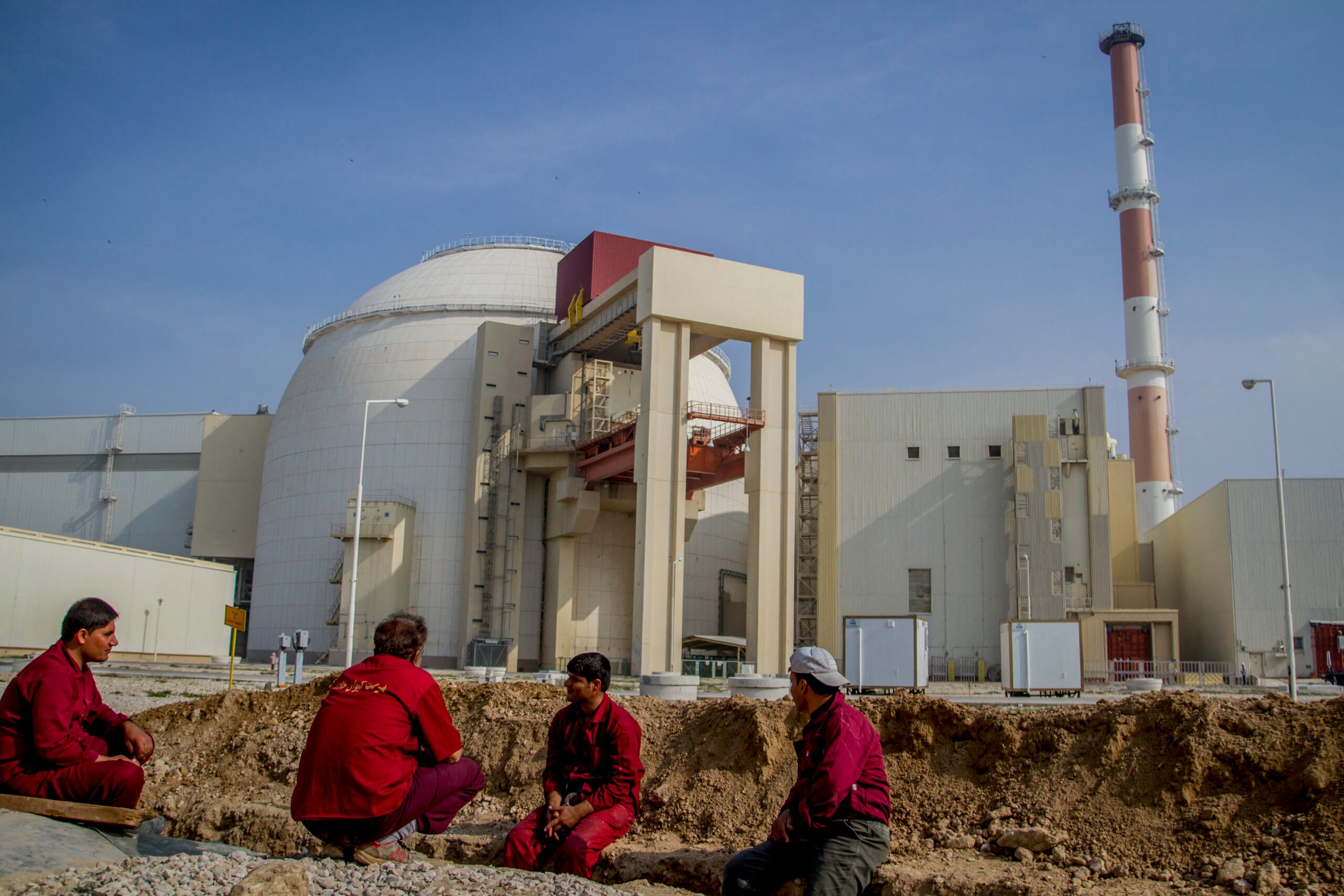
The IAEA managed to conduct an inspection at the Bushehr nuclear power plant, which was constructed with Russian assistance for civilian purposes, but has been unable to access other crucial sites. The agency emphasized that the unprecedented military actions against Iran’s nuclear facilities have exacerbated the need for verification activities, underscoring the urgency of the situation.
IAEA Director General Rafael Grossi has called for Iran to engage cooperatively with the agency, stressing the importance of implementing safeguard measures in order to dispel international concerns. With a forthcoming board of governors’ meeting on the agenda, the IAEA aims to address these pressing issues.
The backdrop of this situation is a long-standing apprehension from both Israel and the United States regarding Iran’s potential ambitions to develop nuclear weapons. Former President Donald Trump previously used these concerns as a key justification for military action against Iran, demanding that any future agreements include stipulations for the destruction of uranium stockpiles. Iran, for its part, has consistently denied any military intentions, asserting its right to pursue nuclear technology for peaceful, civilian applications.


